Buy jobclick.eu ?
We are moving the project
jobclick.eu .
Are you interested in purchasing the domain
jobclick.eu ?
domain@kv-gmbh.de · 0541-91531010
Buy jobclick.eu ?
Is the support vector a position vector and why?
No, the support vector is not a position vector. In machine learning, a support vector is a data point that lies closest to the decision boundary separating different classes in a classification problem. It is used to define the optimal hyperplane that maximizes the margin between classes. Therefore, a support vector is not a position vector in a geometric sense, but rather a key component in determining the decision boundary in a support vector machine algorithm. **
What is the difference between position vector and zero vector?
A position vector represents the location of a point in space relative to a reference point or origin, and it has both magnitude and direction. On the other hand, a zero vector has a magnitude of zero and represents a point in space that has no displacement from the origin. In other words, a position vector points to a specific location in space, while a zero vector points to the origin and has no physical significance in terms of displacement. **
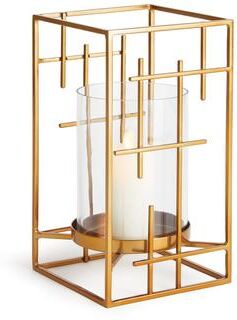
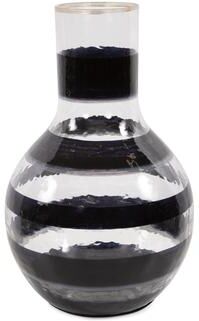
Similar search terms for Vector
Top-Angebote
Products related to Vector:
-
Allan Andrews Vector Pedestal Glass BowlThe Vector glass pedestal bowl features a hand painted black swirl pattern and a simple gold touch on the rim to complete the design. This work of art can stand alone or be used to add a touch of drama with some fresh fruit.229,50 $*Shipping: 0,00 $Secure redirect to the provider
-
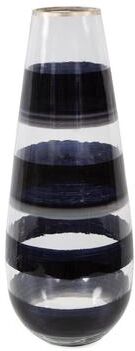
Allan Andrews Vector Glass Torpedo VaseThe Vector glass torpedo short vase features a hand painted black swirl pattern and a simple gold touch on the rim to complete the design. This work of art can stand alone or be used to add a touch of drama with a few floral branches.121,50 $*Shipping: 0,00 $Secure redirect to the provider
-
Britax Boulevard ClickTight Convertible Car Seat - VectorAs your child grows from baby to toddler, the Boulevard ClickTight convertible car seat easily transitions from rear-facing to forward-facing. This durable design features ClickTight technology for struggle-free installation and a SafeWash cover...279,99 $*Shipping: 0,00 $Secure redirect to the provider
-
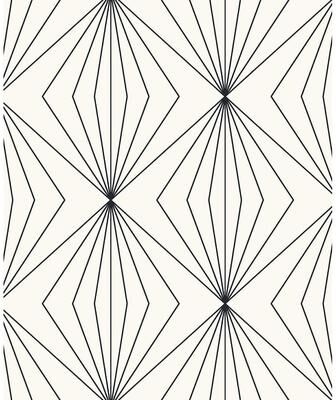
Seabrook Designs Diamond Vector Non-Woven Unpasted WallpaperGive a crisp, contemporary interest to your next home decor project with this unpasted Diamond Vector wallpaper pattern. Screen printed on high-quality nonwoven paper, the minimal design and refined linework add a simple finish to any wall surface.151,20 $*Shipping: 0,00 $Secure redirect to the provider


-
What is the difference between position vector and support vector?
A position vector is a vector that represents the position of a point in space relative to a reference point or origin. It specifies the location of a point in terms of its distance and direction from the origin. On the other hand, a support vector is a concept used in machine learning for classification tasks. It is a vector that defines the decision boundary between different classes in a dataset. Support vectors are the data points that lie closest to the decision boundary and are used to define the optimal separating hyperplane. In summary, the main difference is that a position vector represents a point's location in space, while a support vector is used in machine learning for classification tasks. **
-
What is the difference between a support vector and a position vector?
A support vector is a concept used in machine learning, particularly in support vector machines, where it refers to the data points that are used to define the decision boundary between different classes. These vectors are crucial in determining the optimal hyperplane that separates the classes in the feature space. On the other hand, a position vector is a vector that represents the position of a point in space relative to a reference point or origin. It is used in geometry and physics to describe the location of an object in a coordinate system. In summary, the main difference between the two is that a support vector is used in machine learning to define decision boundaries, while a position vector is used in mathematics and physics to represent the position of a point in space. **
-
How can one determine the normal vector if only the position vector and a direction vector are given?
To determine the normal vector when only the position vector and a direction vector are given, one can first find a vector perpendicular to the direction vector by taking the cross product of the direction vector with any other vector. This new vector will be perpendicular to both the direction vector and the normal vector. Then, one can find the normal vector by taking the cross product of the position vector with the vector found in the previous step. This will give the normal vector to the plane defined by the position vector and the direction vector. **
-
How can one determine the normal vector if only the position vector and a directional vector are given?
To determine the normal vector when only the position vector and a directional vector are given, one can first find the cross product of the directional vector with another vector in the plane. This will give a vector that is perpendicular to both the directional vector and the vector in the plane. This resulting vector can then be normalized to obtain the normal vector, which will be perpendicular to the plane defined by the position vector and the directional vector. **
How do you calculate the unit normal vector for a parametrized position vector?
To calculate the unit normal vector for a parametrized position vector, first find the first and second derivatives of the position vector with respect to the parameter. Then, calculate the cross product of these two derivatives to obtain a vector perpendicular to the tangent vector. Finally, normalize this vector by dividing it by its magnitude to obtain the unit normal vector. This unit normal vector represents the direction in which the curve is bending at a particular point along the parametrized path. **
How do you calculate the normal unit vector for a parametrized position vector?
To calculate the normal unit vector for a parametrized position vector, you first need to find the derivative of the position vector with respect to the parameter. Then, you normalize this derivative vector by dividing it by its magnitude. This normalized vector is the normal unit vector for the parametrized position vector. It represents the direction perpendicular to the curve defined by the position vector at a given point. **
Top-Angebote
Products related to Vector:
-
Allan Andrews Vector Bottle VaseThe Vector glass bottle vase features a hand painted black swirl pattern and a simple gold touch on the rim to complete the design. This work of art can stand alone or be used to add a touch of drama with a few floral branches.175,50 $*Shipping: 0,00 $Secure redirect to the provider
-
Allan Andrews Vector Pedestal Glass BowlThe Vector glass pedestal bowl features a hand painted black swirl pattern and a simple gold touch on the rim to complete the design. This work of art can stand alone or be used to add a touch of drama with some fresh fruit.229,50 $*Shipping: 0,00 $Secure redirect to the provider
-
Allan Andrews Vector Glass Torpedo VaseThe Vector glass torpedo short vase features a hand painted black swirl pattern and a simple gold touch on the rim to complete the design. This work of art can stand alone or be used to add a touch of drama with a few floral branches.121,50 $*Shipping: 0,00 $Secure redirect to the provider
-
Is the support vector a position vector and why?
No, the support vector is not a position vector. In machine learning, a support vector is a data point that lies closest to the decision boundary separating different classes in a classification problem. It is used to define the optimal hyperplane that maximizes the margin between classes. Therefore, a support vector is not a position vector in a geometric sense, but rather a key component in determining the decision boundary in a support vector machine algorithm. **
-
What is the difference between position vector and zero vector?
A position vector represents the location of a point in space relative to a reference point or origin, and it has both magnitude and direction. On the other hand, a zero vector has a magnitude of zero and represents a point in space that has no displacement from the origin. In other words, a position vector points to a specific location in space, while a zero vector points to the origin and has no physical significance in terms of displacement. **
-
What is the difference between position vector and support vector?
A position vector is a vector that represents the position of a point in space relative to a reference point or origin. It specifies the location of a point in terms of its distance and direction from the origin. On the other hand, a support vector is a concept used in machine learning for classification tasks. It is a vector that defines the decision boundary between different classes in a dataset. Support vectors are the data points that lie closest to the decision boundary and are used to define the optimal separating hyperplane. In summary, the main difference is that a position vector represents a point's location in space, while a support vector is used in machine learning for classification tasks. **
-
What is the difference between a support vector and a position vector?
A support vector is a concept used in machine learning, particularly in support vector machines, where it refers to the data points that are used to define the decision boundary between different classes. These vectors are crucial in determining the optimal hyperplane that separates the classes in the feature space. On the other hand, a position vector is a vector that represents the position of a point in space relative to a reference point or origin. It is used in geometry and physics to describe the location of an object in a coordinate system. In summary, the main difference between the two is that a support vector is used in machine learning to define decision boundaries, while a position vector is used in mathematics and physics to represent the position of a point in space. **
Similar search terms for Vector
-
Britax Boulevard ClickTight Convertible Car Seat - VectorAs your child grows from baby to toddler, the Boulevard ClickTight convertible car seat easily transitions from rear-facing to forward-facing. This durable design features ClickTight technology for struggle-free installation and a SafeWash cover...279,99 $*Shipping: 0,00 $Secure redirect to the provider
-
Seabrook Designs Diamond Vector Non-Woven Unpasted WallpaperGive a crisp, contemporary interest to your next home decor project with this unpasted Diamond Vector wallpaper pattern. Screen printed on high-quality nonwoven paper, the minimal design and refined linework add a simple finish to any wall surface.151,20 $*Shipping: 0,00 $Secure redirect to the provider
-
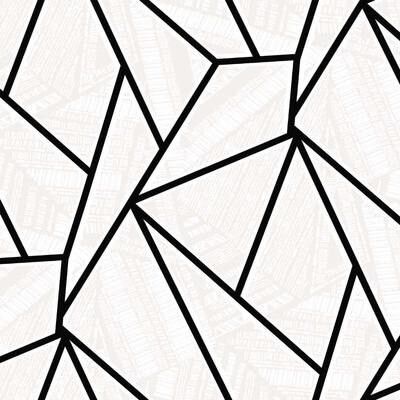
Seabrook Designs Metro Vector Non-Woven Unpasted WallpaperGive a crisp, contemporary interest to your next home décor project with this unpasted Metro Vector wallpaper pattern. Screen printed on high-quality nonwoven paper, the minimal design and refined linework add a simple finish to any wall surface.151,20 $*Shipping: 0,00 $Secure redirect to the provider
-
Allan Andrews Vector Glass Torpedo VaseThe Vector glass torpedo short vase features a hand painted black swirl pattern and a simple gold touch on the rim to complete the design. This work of art can stand alone or be used to add a touch of drama with a few floral branches.175,50 $*Shipping: 0,00 $Secure redirect to the provider
-
How can one determine the normal vector if only the position vector and a direction vector are given?
To determine the normal vector when only the position vector and a direction vector are given, one can first find a vector perpendicular to the direction vector by taking the cross product of the direction vector with any other vector. This new vector will be perpendicular to both the direction vector and the normal vector. Then, one can find the normal vector by taking the cross product of the position vector with the vector found in the previous step. This will give the normal vector to the plane defined by the position vector and the direction vector. **
-
How can one determine the normal vector if only the position vector and a directional vector are given?
To determine the normal vector when only the position vector and a directional vector are given, one can first find the cross product of the directional vector with another vector in the plane. This will give a vector that is perpendicular to both the directional vector and the vector in the plane. This resulting vector can then be normalized to obtain the normal vector, which will be perpendicular to the plane defined by the position vector and the directional vector. **
-
How do you calculate the unit normal vector for a parametrized position vector?
To calculate the unit normal vector for a parametrized position vector, first find the first and second derivatives of the position vector with respect to the parameter. Then, calculate the cross product of these two derivatives to obtain a vector perpendicular to the tangent vector. Finally, normalize this vector by dividing it by its magnitude to obtain the unit normal vector. This unit normal vector represents the direction in which the curve is bending at a particular point along the parametrized path. **
-
How do you calculate the normal unit vector for a parametrized position vector?
To calculate the normal unit vector for a parametrized position vector, you first need to find the derivative of the position vector with respect to the parameter. Then, you normalize this derivative vector by dividing it by its magnitude. This normalized vector is the normal unit vector for the parametrized position vector. It represents the direction perpendicular to the curve defined by the position vector at a given point. **
* All prices are inclusive of VAT and, if applicable, plus shipping costs. The offer information is based on the details provided by the respective shop and is updated through automated processes. Real-time updates do not occur, so deviations can occur in individual cases. ** Note: Parts of this content were created by AI.