Buy jobclick.eu ?
We are moving the project
jobclick.eu .
Are you interested in purchasing the domain
jobclick.eu ?
domain@kv-gmbh.de · 0541-91531010
Buy jobclick.eu ?
Why are Rhesus antibodies (D-antibodies) injected after birth?
Rhesus antibodies, also known as D-antibodies, are injected after birth to prevent a condition known as hemolytic disease of the newborn (HDN). This condition occurs when a mother with Rh-negative blood type is exposed to Rh-positive blood from her baby during pregnancy or childbirth, leading to the mother's immune system producing antibodies against the baby's red blood cells. By injecting Rhesus antibodies after birth, any Rh-positive red blood cells from the baby that may have entered the mother's bloodstream are destroyed before her immune system can mount a significant response, preventing HDN from occurring in subsequent pregnancies. **
Why are Rhesus antibodies (D antibodies) injected after birth?
Rhesus antibodies, also known as D antibodies, are injected after birth to prevent a condition called hemolytic disease of the newborn (HDN). This condition occurs when a mother with Rh-negative blood type is exposed to Rh-positive blood from her baby during pregnancy or childbirth. The mother's immune system can develop antibodies against the Rh-positive blood, which can then attack the baby's red blood cells in future pregnancies. By injecting Rhesus antibodies after birth, any Rh-positive blood from the baby that may have entered the mother's bloodstream is targeted and destroyed before her immune system can develop its own antibodies, thus preventing HDN in future pregnancies. **

Similar search terms for Antibodies
Top-Angebote
Products related to Antibodies:
-
Inspired Deals Battery Compatible Portable LED Work Light, 6000LM High Output 18V 20V Job Site Lighting Yellow Battery Compatible Portable LED Work Light, 6000LM High Output 18V 20V Job Site Lighting YellowStep out of the shadows and light up every task with our rugged portable cordless LED work light that transforms how you work and play. Designed for professionals, DIYers, and outdoor adventurers alike, this light delivers up to 6000LM of bright...59,97 $*Shipping: 0,00 $Secure redirect to the provider

-
What antibodies are there and which antibodies are present in which blood groups?
There are several types of antibodies, but the most commonly known are IgG, IgA, IgM, IgD, and IgE. In the context of blood groups, the most relevant antibodies are the ABO antibodies and the Rh antibodies. ABO antibodies are present in individuals who do not have the A or B antigens on their red blood cells, and they can have anti-A or anti-B antibodies depending on their blood type. Rh antibodies are present in individuals who are Rh-negative and can develop anti-Rh antibodies if exposed to Rh-positive blood. **
-
What does IgM antibodies mean?
IgM antibodies are a type of antibody produced by the immune system in response to an initial infection. They are the first antibodies to be produced in response to a new infection and are typically short-lived. IgM antibodies are important for the body's initial defense against pathogens, but they are eventually replaced by IgG antibodies, which provide long-term immunity. **
-
How are humanized antibodies produced?
Humanized antibodies are produced by taking the variable region genes from a mouse antibody and combining them with the constant region genes from a human antibody. This process creates a chimeric antibody that retains the antigen-binding specificity of the mouse antibody while minimizing the potential for an immune response in humans. The resulting humanized antibody can then be produced using recombinant DNA technology in mammalian cell culture systems. This allows for the large-scale production of humanized antibodies for therapeutic use in treating various diseases, including cancer and autoimmune disorders. **
-
How many antibodies do you have?
As an AI language model, I do not have a physical body, so I do not have antibodies. Antibodies are produced by the immune system of living organisms to help fight off infections and diseases. Each person's immune system produces a unique set of antibodies to target specific pathogens. The number of antibodies a person has can vary depending on their individual immune response and exposure to different pathogens. **
Are immunoglobulins and antibodies the same thing?
Yes, immunoglobulins and antibodies are essentially the same thing. Immunoglobulins are a type of protein produced by the immune system in response to the presence of a foreign substance, such as a virus or bacteria. Antibodies are a specific type of immunoglobulin that specifically recognize and bind to these foreign substances, marking them for destruction by other immune cells. Therefore, while the terms are often used interchangeably, antibodies are a specific subset of the larger category of immunoglobulins. **
What is the difference between antigens and antibodies?
Antigens are molecules that can trigger an immune response in the body, such as viruses, bacteria, and other foreign substances. They are recognized by the immune system as being foreign and can stimulate the production of antibodies. Antibodies, on the other hand, are proteins produced by the immune system in response to the presence of antigens. They specifically bind to antigens and help to neutralize or eliminate them from the body. In summary, antigens are the foreign substances that trigger the immune response, while antibodies are the proteins produced by the immune system to target and neutralize antigens. **
Top-Angebote
Products related to Antibodies:
-
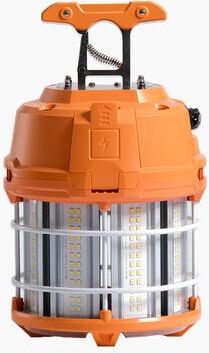
All Categories Goods LED Temporary Work Light Linkable Construction Job Site Lamp LED Temporary Work Light Linkable Construction Job Site LampLight up demanding spaces with a LED temporary work light built to keep every task clear, safe, and visible. This 60W hanging lamp is made for contractors, remodelers, workshop owners, and anyone who needs dependable temporary illumination. With...132,97 $*Shipping: 0,00 $Secure redirect to the provider
-
Piatkus Deep Work – Rules for Focused Success in a Distracted World by Cal Newport Productivity, Focus & Career Success BookIn a world full of distractions, the ability to focus deeply is becoming increasingly rare—and increasingly valuable. In Deep Work: Rules for Focused Success in a Distracted World, bestselling author and productivity expert Cal Newport explains why deep, concentrated work is the key to mastering complex skills, producing high-quality results, and standing out in your career. Drawing on neuroscience, psychology, and real-world examples, Newport shows how to eliminate distractions, train your focus, and work with intense concentration. The book combines compelling theory with practical strategies, helping readers build habits that support sustained attention and meaningful productivity in both professional and personal life. What You’ll Learn: Why deep work is essential for success in the modern economy How shallow work undermines productivity and focus Practical rules for building deep work habits Techniques to minimize distractions and digital overload How to produce better results in less time Perfect for professionals, students, creatives, and entrepreneurs, Deep Work is a must-read guide to achieving focus, efficiency, and long-term career success.7,99 £*Shipping: 2,99 £Secure redirect to the provider
-
Inspired Deals Battery Compatible Portable LED Work Light, 6000LM High Output 18V 20V Job Site Lighting Yellow Battery Compatible Portable LED Work Light, 6000LM High Output 18V 20V Job Site Lighting YellowStep out of the shadows and light up every task with our rugged portable cordless LED work light that transforms how you work and play. Designed for professionals, DIYers, and outdoor adventurers alike, this light delivers up to 6000LM of bright...59,97 $*Shipping: 0,00 $Secure redirect to the provider
-
Why are Rhesus antibodies (D-antibodies) injected after birth?
Rhesus antibodies, also known as D-antibodies, are injected after birth to prevent a condition known as hemolytic disease of the newborn (HDN). This condition occurs when a mother with Rh-negative blood type is exposed to Rh-positive blood from her baby during pregnancy or childbirth, leading to the mother's immune system producing antibodies against the baby's red blood cells. By injecting Rhesus antibodies after birth, any Rh-positive red blood cells from the baby that may have entered the mother's bloodstream are destroyed before her immune system can mount a significant response, preventing HDN from occurring in subsequent pregnancies. **
-
Why are Rhesus antibodies (D antibodies) injected after birth?
Rhesus antibodies, also known as D antibodies, are injected after birth to prevent a condition called hemolytic disease of the newborn (HDN). This condition occurs when a mother with Rh-negative blood type is exposed to Rh-positive blood from her baby during pregnancy or childbirth. The mother's immune system can develop antibodies against the Rh-positive blood, which can then attack the baby's red blood cells in future pregnancies. By injecting Rhesus antibodies after birth, any Rh-positive blood from the baby that may have entered the mother's bloodstream is targeted and destroyed before her immune system can develop its own antibodies, thus preventing HDN in future pregnancies. **
-
What antibodies are there and which antibodies are present in which blood groups?
There are several types of antibodies, but the most commonly known are IgG, IgA, IgM, IgD, and IgE. In the context of blood groups, the most relevant antibodies are the ABO antibodies and the Rh antibodies. ABO antibodies are present in individuals who do not have the A or B antigens on their red blood cells, and they can have anti-A or anti-B antibodies depending on their blood type. Rh antibodies are present in individuals who are Rh-negative and can develop anti-Rh antibodies if exposed to Rh-positive blood. **
-
What does IgM antibodies mean?
IgM antibodies are a type of antibody produced by the immune system in response to an initial infection. They are the first antibodies to be produced in response to a new infection and are typically short-lived. IgM antibodies are important for the body's initial defense against pathogens, but they are eventually replaced by IgG antibodies, which provide long-term immunity. **
Similar search terms for Antibodies
-
How are humanized antibodies produced?
Humanized antibodies are produced by taking the variable region genes from a mouse antibody and combining them with the constant region genes from a human antibody. This process creates a chimeric antibody that retains the antigen-binding specificity of the mouse antibody while minimizing the potential for an immune response in humans. The resulting humanized antibody can then be produced using recombinant DNA technology in mammalian cell culture systems. This allows for the large-scale production of humanized antibodies for therapeutic use in treating various diseases, including cancer and autoimmune disorders. **
-
How many antibodies do you have?
As an AI language model, I do not have a physical body, so I do not have antibodies. Antibodies are produced by the immune system of living organisms to help fight off infections and diseases. Each person's immune system produces a unique set of antibodies to target specific pathogens. The number of antibodies a person has can vary depending on their individual immune response and exposure to different pathogens. **
-
Are immunoglobulins and antibodies the same thing?
Yes, immunoglobulins and antibodies are essentially the same thing. Immunoglobulins are a type of protein produced by the immune system in response to the presence of a foreign substance, such as a virus or bacteria. Antibodies are a specific type of immunoglobulin that specifically recognize and bind to these foreign substances, marking them for destruction by other immune cells. Therefore, while the terms are often used interchangeably, antibodies are a specific subset of the larger category of immunoglobulins. **
-
What is the difference between antigens and antibodies?
Antigens are molecules that can trigger an immune response in the body, such as viruses, bacteria, and other foreign substances. They are recognized by the immune system as being foreign and can stimulate the production of antibodies. Antibodies, on the other hand, are proteins produced by the immune system in response to the presence of antigens. They specifically bind to antigens and help to neutralize or eliminate them from the body. In summary, antigens are the foreign substances that trigger the immune response, while antibodies are the proteins produced by the immune system to target and neutralize antigens. **
* All prices are inclusive of VAT and, if applicable, plus shipping costs. The offer information is based on the details provided by the respective shop and is updated through automated processes. Real-time updates do not occur, so deviations can occur in individual cases. ** Note: Parts of this content were created by AI.