Buy jobclick.eu ?
We are moving the project
jobclick.eu .
Are you interested in purchasing the domain
jobclick.eu ?
domain@kv-gmbh.de · 0541-91531010
Buy jobclick.eu ?
What differentiates bipolar disorder from borderline personality disorder?
Bipolar disorder is characterized by extreme mood swings between manic episodes (elevated mood, increased energy) and depressive episodes, while borderline personality disorder is characterized by unstable relationships, self-image, and emotions. Bipolar disorder is primarily a mood disorder, while borderline personality disorder is a personality disorder that affects a person's overall way of thinking, feeling, and behaving. Additionally, bipolar disorder is typically treated with mood stabilizers and other medications, while borderline personality disorder is often treated with therapy, such as dialectical behavior therapy. **
What distinguishes bipolar disorder from borderline personality disorder?
Bipolar disorder is a mood disorder characterized by extreme mood swings between mania and depression, while borderline personality disorder is a personality disorder characterized by unstable relationships, self-image, and emotions. Bipolar disorder is primarily a mood disorder, while borderline personality disorder is a personality disorder that affects a person's overall sense of self and relationships. Additionally, bipolar disorder is typically episodic, with distinct periods of mania and depression, while borderline personality disorder is characterized by chronic patterns of instability. Treatment approaches for these disorders also differ, with bipolar disorder often treated with mood stabilizers and borderline personality disorder often treated with therapy focused on improving interpersonal relationships and emotional regulation. **
Similar search terms for Disorder
Top-Angebote
Products related to Disorder:
-
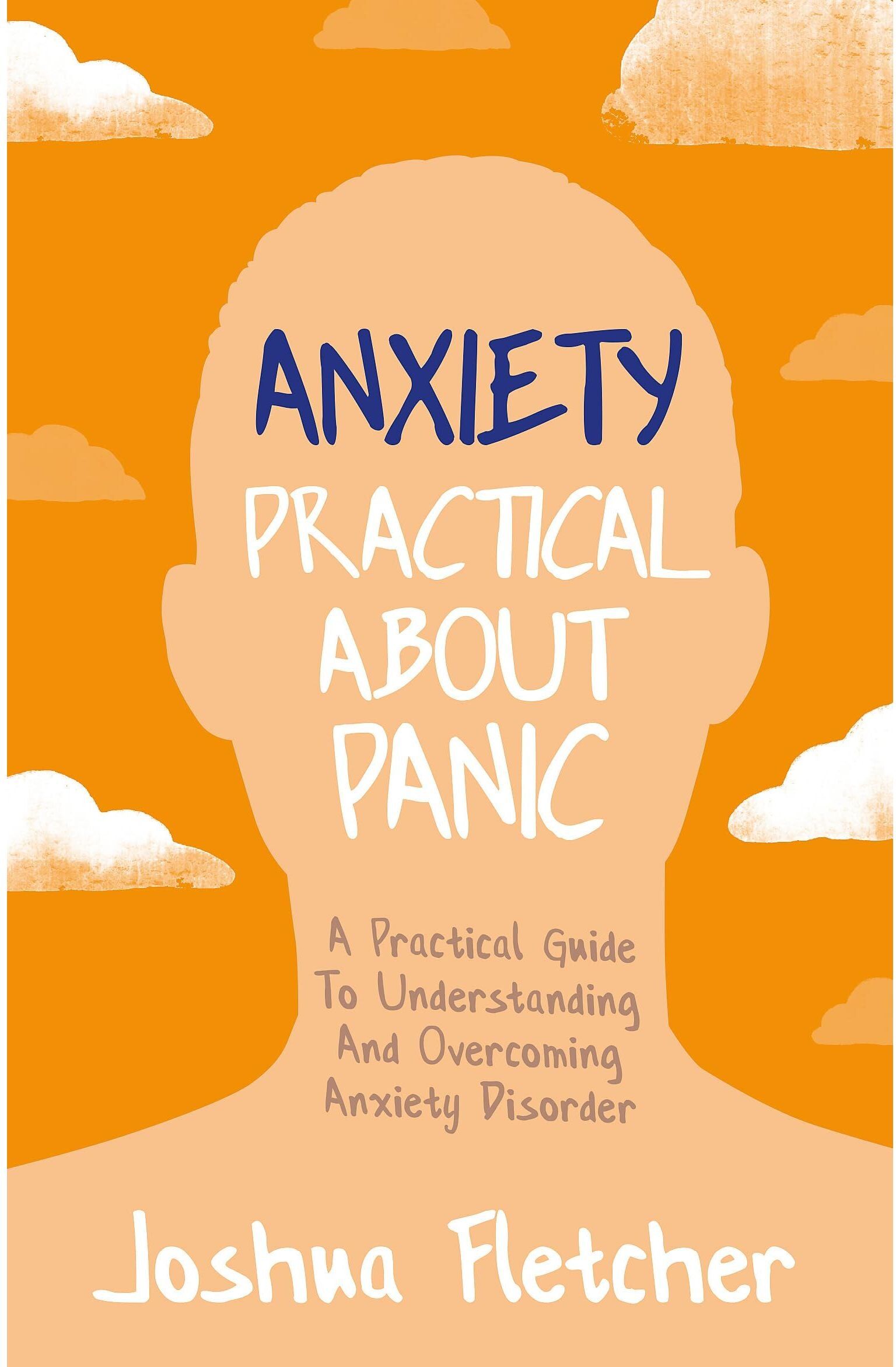
John Murray Anxiety: Practical About Panic: A Practical Guide to Understanding and Overcoming Anxiety DisorderDo you suffer from anxiety and panic? So did Joshua Fletcher, the author of the self-published bestseller ANXIETY: PANICKING ABOUT PANIC - but he treated his own condition successfully, went back to school, became a counsellor and emerged as one of the country's leading experts. ANXIETY: PRACTICAL ABOUT PANIC is a complete, easy to read and hugely practical book about anxiety from someone who knows how to recover and live your life to the full - and will show you how. Concentrating on the actions that you can take to alleviate and overcome your worries, this book is all about you and what you need to do to improve your life.8,99 £*Shipping: 2,99 £Secure redirect to the provider
-
New Harbinger Publications When Your Teen Has an Eating Disorder by Lauren Muhlheim & Laura Collins – Practical Recovery Guide & Mental Health Support CollectionIf your teen has an eating disorder-such as anorexia, bulimia, or binge eating-you may feel helpless, worried, or uncertain about how you can best support them. That's why you need real, proven-effective strategies you can use right away. Whether used in conjunction with treatment or on its own, this book offers an evidence-based approach you can use now to help your teen make healthy choices and stay well in body and mind.When Your Teen Has an Eating Disorder will empower you to help your teen using a unique, family-based treatment (FBT) approach. With this guide, you'll learn to respectfully and lovingly oversee your teen's nutritional rehabilitation, which includes helping to normalize eating behaviors, managing meals, expanding food flexibility, teaching independent and intuitive eating habits, and using coping strategies and recovery skills to prevent relapse.In addition to helping parents and caregivers, this book is a wonderful resource for mental health professionals, teachers, counselors, and coaches who work with parents of and teens with eating disorders. It clearly outlines the principles of FBT and the process of involving parents collaboratively in treatment.As a parent, feeding your child is a fundamental act of love-it has been from the start! However, when a child is affected by an eating disorder, parents often lose confidence in performing this basic task. This compassionate guide will help you gain the confidence needed to nurture your teen and help them heal.9,95 £*Shipping: 2,99 £Secure redirect to the provider
-
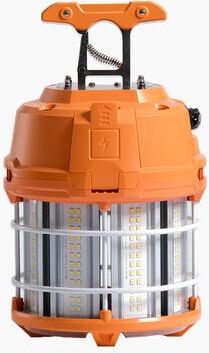
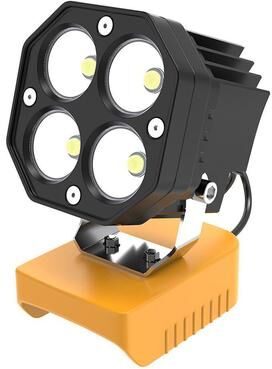
All Categories Goods LED Temporary Work Light Linkable Construction Job Site Lamp LED Temporary Work Light Linkable Construction Job Site LampLight up demanding spaces with a LED temporary work light built to keep every task clear, safe, and visible. This 60W hanging lamp is made for contractors, remodelers, workshop owners, and anyone who needs dependable temporary illumination. With...132,97 $*Shipping: 0,00 $Secure redirect to the provider
-
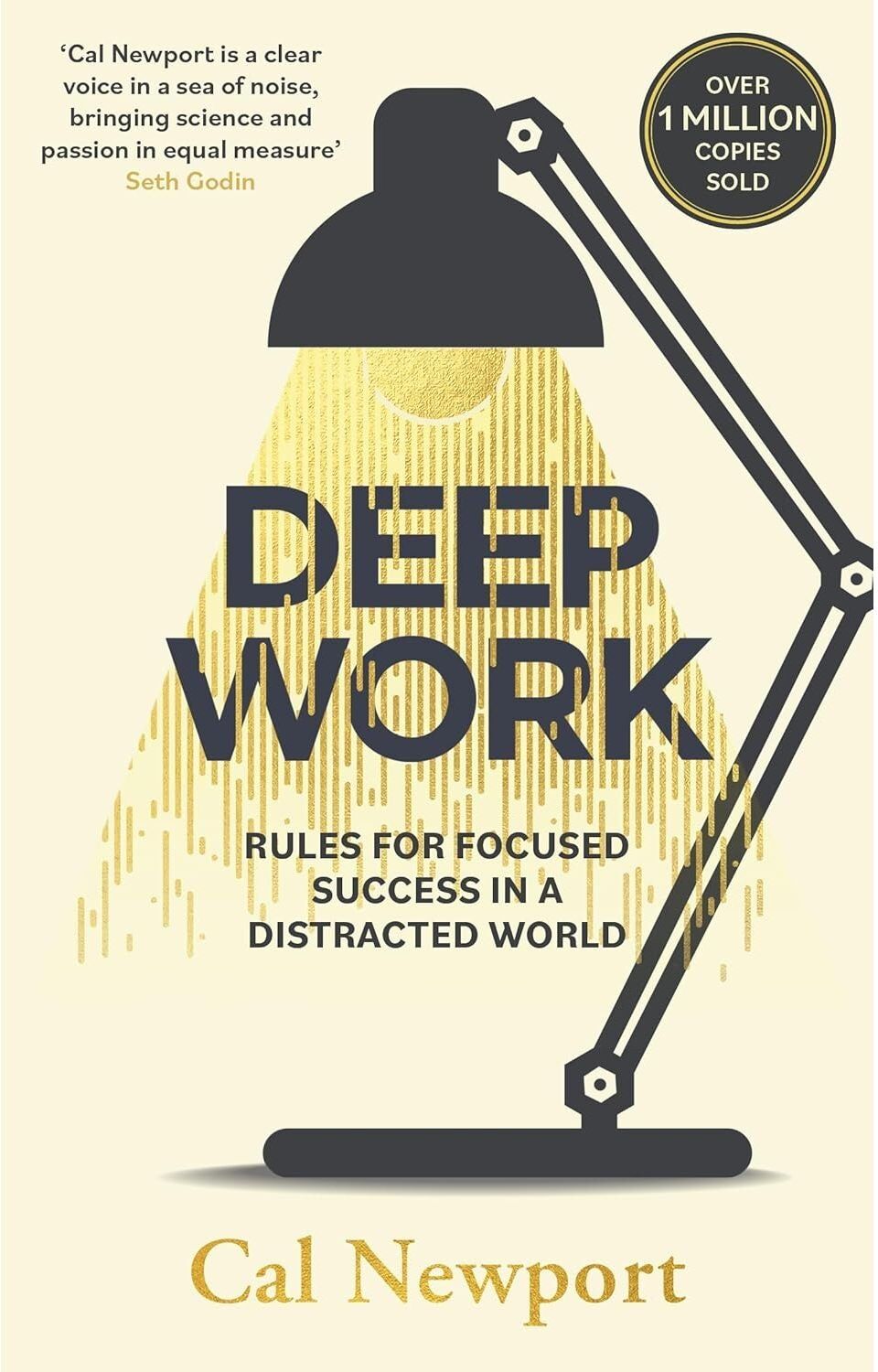
Piatkus Deep Work – Rules for Focused Success in a Distracted World by Cal Newport Productivity, Focus & Career Success BookIn a world full of distractions, the ability to focus deeply is becoming increasingly rare—and increasingly valuable. In Deep Work: Rules for Focused Success in a Distracted World, bestselling author and productivity expert Cal Newport explains why deep, concentrated work is the key to mastering complex skills, producing high-quality results, and standing out in your career. Drawing on neuroscience, psychology, and real-world examples, Newport shows how to eliminate distractions, train your focus, and work with intense concentration. The book combines compelling theory with practical strategies, helping readers build habits that support sustained attention and meaningful productivity in both professional and personal life. What You’ll Learn: Why deep work is essential for success in the modern economy How shallow work undermines productivity and focus Practical rules for building deep work habits Techniques to minimize distractions and digital overload How to produce better results in less time Perfect for professionals, students, creatives, and entrepreneurs, Deep Work is a must-read guide to achieving focus, efficiency, and long-term career success.7,99 £*Shipping: 2,99 £Secure redirect to the provider

-
Is it a brain disorder or an eye disorder?
It is an eye disorder. Amblyopia, also known as lazy eye, is a condition where one eye has reduced vision due to abnormal visual development in early childhood. It is not a brain disorder, but rather a problem with how the brain and eye work together to process visual information. Treatment for amblyopia typically involves correcting any underlying issues with the eye, such as using glasses or an eye patch to strengthen the weaker eye. **
-
When is a personality disorder considered a personality disorder?
A personality disorder is considered a personality disorder when it meets specific criteria outlined in the Diagnostic and Statistical Manual of Mental Disorders (DSM-5). These criteria include enduring patterns of behavior, cognition, and inner experience that deviate significantly from cultural expectations, are pervasive and inflexible, and lead to distress or impairment in social, occupational, or other areas of functioning. Additionally, the symptoms must be stable and of long duration, typically beginning in adolescence or early adulthood. A diagnosis of a personality disorder is made by a qualified mental health professional after a thorough assessment and evaluation of the individual's symptoms and history. **
-
What is worse: histrionic personality disorder or schizoid personality disorder?
It is not accurate or fair to say that one personality disorder is worse than another as each disorder presents its own unique challenges and impacts individuals differently. Histrionic personality disorder is characterized by attention-seeking behavior and emotional instability, while schizoid personality disorder is characterized by social detachment and limited emotional expression. Both disorders can significantly impact an individual's relationships, functioning, and overall well-being, but the severity and impact of symptoms can vary greatly among individuals. It is important for individuals with either disorder to seek professional help and support to manage their symptoms and improve their quality of life. **
-
What is an obsessive-compulsive disorder or other personality disorder?
Obsessive-compulsive disorder (OCD) is a mental health condition characterized by persistent, intrusive thoughts (obsessions) and repetitive behaviors or mental acts (compulsions) that a person feels driven to perform. These obsessions and compulsions can interfere with daily activities and cause significant distress. On the other hand, a personality disorder is a type of mental health condition characterized by unhealthy patterns of thinking, feeling, and behaving that can cause significant distress or impairment in functioning. There are different types of personality disorders, each with its own specific set of symptoms and behaviors. Both OCD and personality disorders can be effectively treated with therapy and, in some cases, medication. **
What is the difference between schizotypal disorder and paranoid personality disorder?
Schizotypal disorder is characterized by odd or eccentric behavior, unusual beliefs or magical thinking, and difficulty forming close relationships. People with schizotypal disorder may also experience perceptual disturbances, such as seeing or hearing things that others do not. On the other hand, paranoid personality disorder is characterized by a pervasive distrust and suspicion of others, interpreting others' motives as malevolent. People with paranoid personality disorder may be preoccupied with doubts about the loyalty of others and may be reluctant to confide in others. While both disorders involve social and interpersonal difficulties, schizotypal disorder also includes eccentric behavior and unusual beliefs, while paranoid personality disorder is primarily characterized by distrust and suspicion. **
What is the difference between bipolar disorder and borderline personality disorder?
Bipolar disorder is a mood disorder characterized by extreme shifts in mood, energy, and activity levels, including episodes of mania and depression. These mood swings are more long-lasting and distinct from a person's usual mood. Borderline personality disorder, on the other hand, is a personality disorder characterized by unstable moods, behavior, and relationships. People with borderline personality disorder may experience intense episodes of anger, depression, and anxiety, and have difficulty regulating their emotions and behavior. While both disorders involve mood instability, bipolar disorder is primarily a mood disorder, while borderline personality disorder is a personality disorder that also involves mood instability and difficulties with interpersonal relationships. **
Top-Angebote
Products related to Disorder:
-
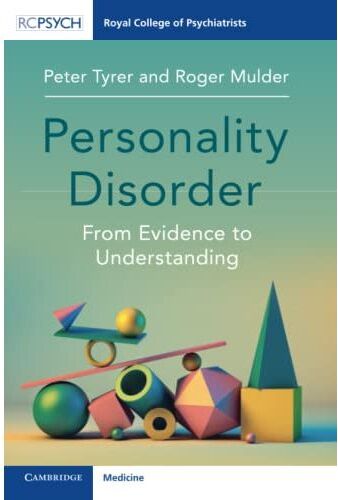
Cambridge University Press Personality Disorder: From Evidence to UnderstandingPersonality disorder affects more than 10% of the population but is widely ignored by health professionals as it is viewed as a term of stigma. The new classification of personality disorder in the ICD-11 shows that we are all on a spectrum of personality disturbance and that this can change over time. This important new book explains why all health professionals need to be aware of personality disorders in their clinical practice. Abnormal personality, at all levels of severity, should be taken into account when choosing treatment, when predicting outcomes, when anticipating relapse, and when explaining diagnosis. Authored by leading experts in this field, this book explains how the new classification of personality disorders in the ICD-11 helps to select treatment programmes, plan long-term management and avoid adverse consequences in the treatment of this patient group29,99 £*Shipping: 2,99 £Secure redirect to the provider
-
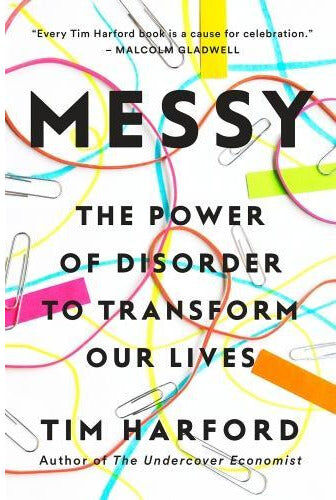
Riverhead Books Messy - The Power Of Disorder To Transform Our Lives by Tim HarfordMessy: The Power of Disorder to Transform Our Lives Description From the award-winning columnist and author of the national bestseller The Undercover Economist comes a provocative big idea book about the genuine benefits of being messy: at home; at work; in the classroom; and beyond. Look out for Tim's next book; Fifty Inventions That Shaped the Modern Economy. Messy: The Power of Disorder to Transform Our Lives celebrates the benefits that messiness has in our lives: why it's important; why we resist it; and why we should embrace it instead. Using research from neuroscience; psychology; social science; as well as captivating examples of real people doing extraordinary things; Tim Harford explains that the human qualities we value - creativity; responsiveness; resilience - are integral to the disorder; confusion; and disarray that produce them. From the music studio of Brian Eno to the Lincoln Memorial with Martin Luther King; Jr.; from the board room to the classroom; messiness lies at the core of how we innovate; how we achieve; how we reach each other - in short; how we succeed. In Messy; you'll learn about the unexpected connections between creativity and mess; understand why unexpected changes of plans; unfamiliar people; and unforeseen events can help generate new ideas and opportunities as they make you anxious and angry; and come to appreciate that the human inclination for tidiness - in our personal and professional lives; online; even in children's play - can mask deep and debilitating fragility that keep us from innovation. Stimulating and readable as it points exciting ways forward; Messy is an insightful exploration of the real advantages of mess in our lives.4,49 £*Shipping: 1,99 £Secure redirect to the provider
-
John Murray Anxiety: Practical About Panic: A Practical Guide to Understanding and Overcoming Anxiety DisorderDo you suffer from anxiety and panic? So did Joshua Fletcher, the author of the self-published bestseller ANXIETY: PANICKING ABOUT PANIC - but he treated his own condition successfully, went back to school, became a counsellor and emerged as one of the country's leading experts. ANXIETY: PRACTICAL ABOUT PANIC is a complete, easy to read and hugely practical book about anxiety from someone who knows how to recover and live your life to the full - and will show you how. Concentrating on the actions that you can take to alleviate and overcome your worries, this book is all about you and what you need to do to improve your life.8,99 £*Shipping: 2,99 £Secure redirect to the provider
-
New Harbinger Publications When Your Teen Has an Eating Disorder by Lauren Muhlheim & Laura Collins – Practical Recovery Guide & Mental Health Support CollectionIf your teen has an eating disorder-such as anorexia, bulimia, or binge eating-you may feel helpless, worried, or uncertain about how you can best support them. That's why you need real, proven-effective strategies you can use right away. Whether used in conjunction with treatment or on its own, this book offers an evidence-based approach you can use now to help your teen make healthy choices and stay well in body and mind.When Your Teen Has an Eating Disorder will empower you to help your teen using a unique, family-based treatment (FBT) approach. With this guide, you'll learn to respectfully and lovingly oversee your teen's nutritional rehabilitation, which includes helping to normalize eating behaviors, managing meals, expanding food flexibility, teaching independent and intuitive eating habits, and using coping strategies and recovery skills to prevent relapse.In addition to helping parents and caregivers, this book is a wonderful resource for mental health professionals, teachers, counselors, and coaches who work with parents of and teens with eating disorders. It clearly outlines the principles of FBT and the process of involving parents collaboratively in treatment.As a parent, feeding your child is a fundamental act of love-it has been from the start! However, when a child is affected by an eating disorder, parents often lose confidence in performing this basic task. This compassionate guide will help you gain the confidence needed to nurture your teen and help them heal.9,95 £*Shipping: 2,99 £Secure redirect to the provider
-
What differentiates bipolar disorder from borderline personality disorder?
Bipolar disorder is characterized by extreme mood swings between manic episodes (elevated mood, increased energy) and depressive episodes, while borderline personality disorder is characterized by unstable relationships, self-image, and emotions. Bipolar disorder is primarily a mood disorder, while borderline personality disorder is a personality disorder that affects a person's overall way of thinking, feeling, and behaving. Additionally, bipolar disorder is typically treated with mood stabilizers and other medications, while borderline personality disorder is often treated with therapy, such as dialectical behavior therapy. **
-
What distinguishes bipolar disorder from borderline personality disorder?
Bipolar disorder is a mood disorder characterized by extreme mood swings between mania and depression, while borderline personality disorder is a personality disorder characterized by unstable relationships, self-image, and emotions. Bipolar disorder is primarily a mood disorder, while borderline personality disorder is a personality disorder that affects a person's overall sense of self and relationships. Additionally, bipolar disorder is typically episodic, with distinct periods of mania and depression, while borderline personality disorder is characterized by chronic patterns of instability. Treatment approaches for these disorders also differ, with bipolar disorder often treated with mood stabilizers and borderline personality disorder often treated with therapy focused on improving interpersonal relationships and emotional regulation. **
-
Is it a brain disorder or an eye disorder?
It is an eye disorder. Amblyopia, also known as lazy eye, is a condition where one eye has reduced vision due to abnormal visual development in early childhood. It is not a brain disorder, but rather a problem with how the brain and eye work together to process visual information. Treatment for amblyopia typically involves correcting any underlying issues with the eye, such as using glasses or an eye patch to strengthen the weaker eye. **
-
When is a personality disorder considered a personality disorder?
A personality disorder is considered a personality disorder when it meets specific criteria outlined in the Diagnostic and Statistical Manual of Mental Disorders (DSM-5). These criteria include enduring patterns of behavior, cognition, and inner experience that deviate significantly from cultural expectations, are pervasive and inflexible, and lead to distress or impairment in social, occupational, or other areas of functioning. Additionally, the symptoms must be stable and of long duration, typically beginning in adolescence or early adulthood. A diagnosis of a personality disorder is made by a qualified mental health professional after a thorough assessment and evaluation of the individual's symptoms and history. **
Similar search terms for Disorder
-
All Categories Goods LED Temporary Work Light Linkable Construction Job Site Lamp LED Temporary Work Light Linkable Construction Job Site LampLight up demanding spaces with a LED temporary work light built to keep every task clear, safe, and visible. This 60W hanging lamp is made for contractors, remodelers, workshop owners, and anyone who needs dependable temporary illumination. With...132,97 $*Shipping: 0,00 $Secure redirect to the provider
-
Piatkus Deep Work – Rules for Focused Success in a Distracted World by Cal Newport Productivity, Focus & Career Success BookIn a world full of distractions, the ability to focus deeply is becoming increasingly rare—and increasingly valuable. In Deep Work: Rules for Focused Success in a Distracted World, bestselling author and productivity expert Cal Newport explains why deep, concentrated work is the key to mastering complex skills, producing high-quality results, and standing out in your career. Drawing on neuroscience, psychology, and real-world examples, Newport shows how to eliminate distractions, train your focus, and work with intense concentration. The book combines compelling theory with practical strategies, helping readers build habits that support sustained attention and meaningful productivity in both professional and personal life. What You’ll Learn: Why deep work is essential for success in the modern economy How shallow work undermines productivity and focus Practical rules for building deep work habits Techniques to minimize distractions and digital overload How to produce better results in less time Perfect for professionals, students, creatives, and entrepreneurs, Deep Work is a must-read guide to achieving focus, efficiency, and long-term career success.7,99 £*Shipping: 2,99 £Secure redirect to the provider
-
Inspired Deals Battery Compatible Portable LED Work Light, 6000LM High Output 18V 20V Job Site Lighting Yellow Battery Compatible Portable LED Work Light, 6000LM High Output 18V 20V Job Site Lighting YellowStep out of the shadows and light up every task with our rugged portable cordless LED work light that transforms how you work and play. Designed for professionals, DIYers, and outdoor adventurers alike, this light delivers up to 6000LM of bright...59,97 $*Shipping: 0,00 $Secure redirect to the provider
-
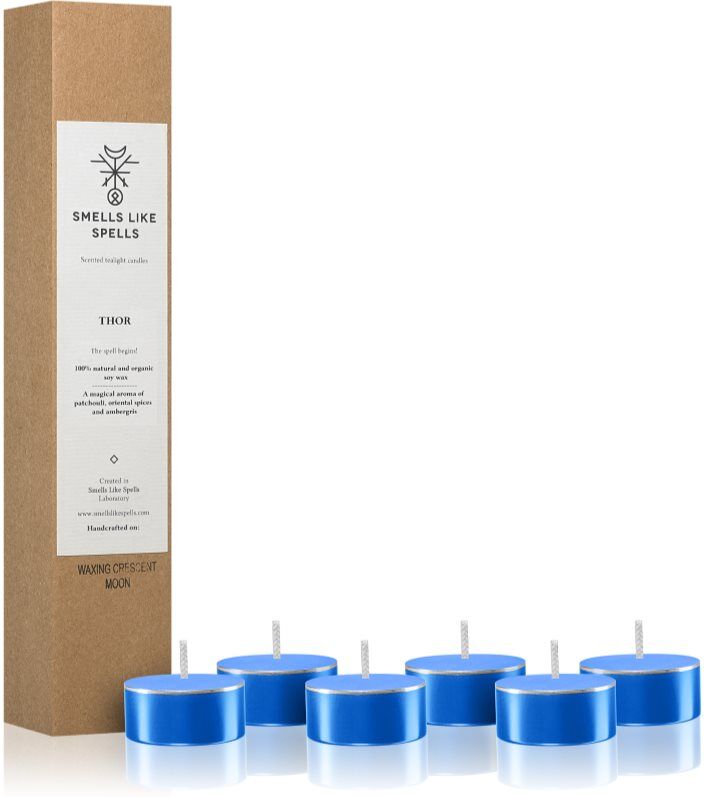
Smells Like Spells Norse Magic Thor tealight candle (concentration/career) 6 pcSmells Like Spells Norse Magic Thor, 6 pc, Scented Candles Home Scents, The Smells Like Spells Norse Magic Thor tealight creates an atmosphere for every romantic dinner or regular evening. A candle placed in a candlestick becomes a home accessory and gives your smaller rooms a pleasant scent. A combination of several fragrances allows you to create a fragrant experience to your liking. Characteristics: a woody fragrance a spicy aroma How to use: Place the candle on a heat-resistant surface. Do not leave to burn for more than four hours. Never let the candle burn to the end. Never leave a burning candle unattended or close to easily flammable objects. Keep out of the reach of children and pets.8,00 £*Shipping: 3,99 £Secure redirect to the provider
-
What is worse: histrionic personality disorder or schizoid personality disorder?
It is not accurate or fair to say that one personality disorder is worse than another as each disorder presents its own unique challenges and impacts individuals differently. Histrionic personality disorder is characterized by attention-seeking behavior and emotional instability, while schizoid personality disorder is characterized by social detachment and limited emotional expression. Both disorders can significantly impact an individual's relationships, functioning, and overall well-being, but the severity and impact of symptoms can vary greatly among individuals. It is important for individuals with either disorder to seek professional help and support to manage their symptoms and improve their quality of life. **
-
What is an obsessive-compulsive disorder or other personality disorder?
Obsessive-compulsive disorder (OCD) is a mental health condition characterized by persistent, intrusive thoughts (obsessions) and repetitive behaviors or mental acts (compulsions) that a person feels driven to perform. These obsessions and compulsions can interfere with daily activities and cause significant distress. On the other hand, a personality disorder is a type of mental health condition characterized by unhealthy patterns of thinking, feeling, and behaving that can cause significant distress or impairment in functioning. There are different types of personality disorders, each with its own specific set of symptoms and behaviors. Both OCD and personality disorders can be effectively treated with therapy and, in some cases, medication. **
-
What is the difference between schizotypal disorder and paranoid personality disorder?
Schizotypal disorder is characterized by odd or eccentric behavior, unusual beliefs or magical thinking, and difficulty forming close relationships. People with schizotypal disorder may also experience perceptual disturbances, such as seeing or hearing things that others do not. On the other hand, paranoid personality disorder is characterized by a pervasive distrust and suspicion of others, interpreting others' motives as malevolent. People with paranoid personality disorder may be preoccupied with doubts about the loyalty of others and may be reluctant to confide in others. While both disorders involve social and interpersonal difficulties, schizotypal disorder also includes eccentric behavior and unusual beliefs, while paranoid personality disorder is primarily characterized by distrust and suspicion. **
-
What is the difference between bipolar disorder and borderline personality disorder?
Bipolar disorder is a mood disorder characterized by extreme shifts in mood, energy, and activity levels, including episodes of mania and depression. These mood swings are more long-lasting and distinct from a person's usual mood. Borderline personality disorder, on the other hand, is a personality disorder characterized by unstable moods, behavior, and relationships. People with borderline personality disorder may experience intense episodes of anger, depression, and anxiety, and have difficulty regulating their emotions and behavior. While both disorders involve mood instability, bipolar disorder is primarily a mood disorder, while borderline personality disorder is a personality disorder that also involves mood instability and difficulties with interpersonal relationships. **
* All prices are inclusive of VAT and, if applicable, plus shipping costs. The offer information is based on the details provided by the respective shop and is updated through automated processes. Real-time updates do not occur, so deviations can occur in individual cases. ** Note: Parts of this content were created by AI.