Buy jobclick.eu ?
We are moving the project
jobclick.eu .
Are you interested in purchasing the domain
jobclick.eu ?
domain@kv-gmbh.de · 0541-91531010
Buy jobclick.eu ?
Which tie-down straps for car transport?
When choosing tie-down straps for car transport, it is important to select straps that are specifically designed for securing vehicles. Ratchet straps or wheel straps are commonly used for this purpose, as they provide a secure and adjustable way to fasten the vehicle to the trailer or transport vehicle. It is recommended to choose straps that are made of high-quality materials and have a sufficient weight capacity to safely secure the vehicle during transport. Additionally, it is important to follow the manufacturer's guidelines for securing the vehicle properly to prevent any damage or accidents during transit. **
How do tie-down straps and ratchets work for cargo securing?
Tie-down straps and ratchets work by providing a secure and adjustable method for securing cargo. The tie-down straps are made of strong, durable material and have a mechanism for tightening and securing the strap around the cargo. The ratchet mechanism allows for easy tightening of the strap and provides a strong hold on the cargo. By using these tools, the cargo can be securely fastened to a vehicle or other surface, preventing it from shifting or falling during transportation. **

Similar search terms for Tie-Down-Penetrator-Replacement
Top-Angebote
Products related to Tie-Down-Penetrator-Replacement:
-
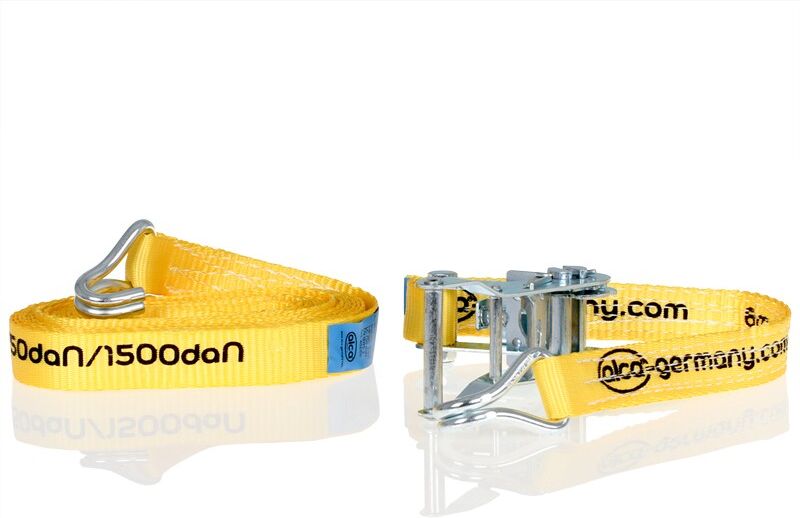
ALCA 406150 Tie down strapLength [m]: 6; Width [mm]: 25; Tools: with ratchet function; Maximum Carrying Load [kg]: 1500; Weight [kg]: 0.7; Weatherproof: UV; Compressive Force [N]: 7500/15000; Colour: yellow; Test standard: EN; Certificate: EN 12195-2; Observe broschure: ; Material: Polyester, Steel; Version: S; Supplementary Article / Supplementary Info Info 2: with hook; Features: with ratchet, with hook; Tie-down strap type: two-piece; Properties: with hook, with ratchet7,99 £*Shipping: 8,45 £Secure redirect to the provider


-
How many tie-down straps do I need?
The number of tie-down straps you need depends on the size and weight of the item you are securing. As a general rule of thumb, it is recommended to use at least two tie-down straps to secure an item. However, for larger or heavier items, you may need more straps to ensure proper and secure fastening. It is always better to err on the side of caution and use more straps than necessary to prevent any accidents or damage during transportation. **
-
Who is allowed to inspect tie-down straps?
Anyone who is responsible for securing cargo or equipment using tie-down straps is allowed to inspect them. This includes truck drivers, warehouse workers, and anyone else involved in the transportation or storage of goods. Regular inspections of tie-down straps are important to ensure they are in good condition and can safely secure the load. **
-
How are tie-down straps attached to hooks?
Tie-down straps are typically attached to hooks by threading the strap through the hook and then securing it with a ratchet or cam buckle. The strap is looped through the hook and then tightened to create tension and secure the load. Some tie-down straps also have a hook on one end that can be directly attached to an anchor point, while the other end is secured using a ratchet or cam buckle. It is important to ensure that the strap is securely attached to the hook and that the tension is properly adjusted to safely secure the load. **
-
Should I use my hair tie as a replacement for my broken shoelace?
It is not recommended to use a hair tie as a replacement for a broken shoelace. Hair ties are not designed to withstand the same amount of tension and wear that shoelaces are subjected to. Using a hair tie as a replacement could lead to it breaking easily and potentially causing accidents or discomfort while walking. It is best to invest in a proper replacement shoelace to ensure safety and comfort. **
How can one use the tie-down in bitless riding?
In bitless riding, the tie-down can be used as a form of gentle guidance and support for the horse. It can help to encourage the horse to soften and flex at the poll, promoting better communication between the rider and the horse. The tie-down should be adjusted properly to allow for freedom of movement while still providing a subtle cue for the horse. It is important to use the tie-down with light and consistent pressure, avoiding any harsh or restrictive use. **
Is it possible to tie down girls with commitment issues?
It is not possible to tie down anyone, regardless of gender, who has commitment issues. Trying to force someone to commit when they are not ready or willing will only lead to resentment and potential relationship problems. It is important to communicate openly and honestly with your partner about your needs and expectations, and to respect their boundaries and feelings. Ultimately, both individuals in a relationship must be willing to work through their commitment issues together in order to build a strong and healthy partnership. **
Top-Angebote
Products related to Tie-Down-Penetrator-Replacement:
-
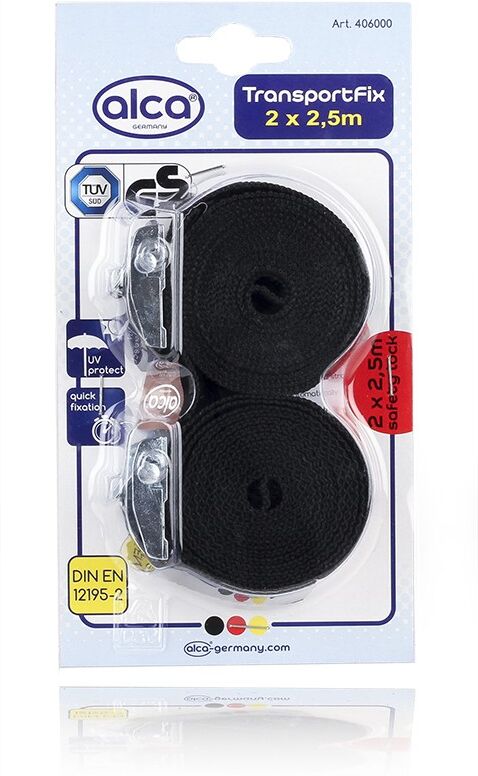
ALCA 406000 Tie down strapsLength [m]: 5; Quantity: 2; Weight [kg]: 0.18; Colour: black; Material: Polyester, Steel, Nylon; Observe broschure: ; Weatherproof: UV; Elongation [%]: <7; Compressive Force [N]: 2500; Test standard: EN; Certificate: EN 12195-2; Maximum Carrying Load [kg]: 250; Features: with clamp lock; Tie-down strap type: one-piece5,59 £*Shipping: 8,45 £Secure redirect to the provider
-
ALCA 406150 Tie down strapLength [m]: 6; Width [mm]: 25; Tools: with ratchet function; Maximum Carrying Load [kg]: 1500; Weight [kg]: 0.7; Weatherproof: UV; Compressive Force [N]: 7500/15000; Colour: yellow; Test standard: EN; Certificate: EN 12195-2; Observe broschure: ; Material: Polyester, Steel; Version: S; Supplementary Article / Supplementary Info Info 2: with hook; Features: with ratchet, with hook; Tie-down strap type: two-piece; Properties: with hook, with ratchet7,99 £*Shipping: 8,45 £Secure redirect to the provider
-
Which tie-down straps for car transport?
When choosing tie-down straps for car transport, it is important to select straps that are specifically designed for securing vehicles. Ratchet straps or wheel straps are commonly used for this purpose, as they provide a secure and adjustable way to fasten the vehicle to the trailer or transport vehicle. It is recommended to choose straps that are made of high-quality materials and have a sufficient weight capacity to safely secure the vehicle during transport. Additionally, it is important to follow the manufacturer's guidelines for securing the vehicle properly to prevent any damage or accidents during transit. **
-
How do tie-down straps and ratchets work for cargo securing?
Tie-down straps and ratchets work by providing a secure and adjustable method for securing cargo. The tie-down straps are made of strong, durable material and have a mechanism for tightening and securing the strap around the cargo. The ratchet mechanism allows for easy tightening of the strap and provides a strong hold on the cargo. By using these tools, the cargo can be securely fastened to a vehicle or other surface, preventing it from shifting or falling during transportation. **
-
How many tie-down straps do I need?
The number of tie-down straps you need depends on the size and weight of the item you are securing. As a general rule of thumb, it is recommended to use at least two tie-down straps to secure an item. However, for larger or heavier items, you may need more straps to ensure proper and secure fastening. It is always better to err on the side of caution and use more straps than necessary to prevent any accidents or damage during transportation. **
-
Who is allowed to inspect tie-down straps?
Anyone who is responsible for securing cargo or equipment using tie-down straps is allowed to inspect them. This includes truck drivers, warehouse workers, and anyone else involved in the transportation or storage of goods. Regular inspections of tie-down straps are important to ensure they are in good condition and can safely secure the load. **
Similar search terms for Tie-Down-Penetrator-Replacement
-
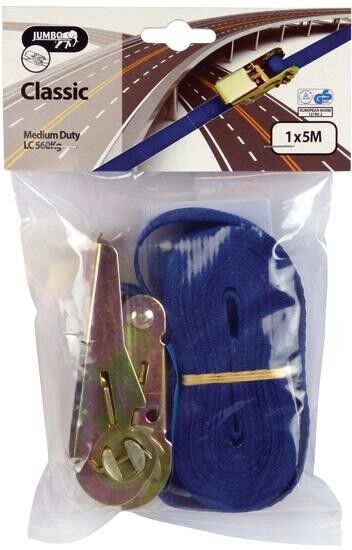
Jumbo 0926315 Tie down strapMaximum Carrying Load [kg]: 350; Length [m]: 5; Tools: with ratchet function; Container Type: Blister Pack; Material: PP (Polypropylene); Colour: blue; Quantity: 1; Features: with ratchet; Tie-down strap type: one-piece; Properties: with ratchet5,99 £*Shipping: 8,45 £Secure redirect to the provider
-
How are tie-down straps attached to hooks?
Tie-down straps are typically attached to hooks by threading the strap through the hook and then securing it with a ratchet or cam buckle. The strap is looped through the hook and then tightened to create tension and secure the load. Some tie-down straps also have a hook on one end that can be directly attached to an anchor point, while the other end is secured using a ratchet or cam buckle. It is important to ensure that the strap is securely attached to the hook and that the tension is properly adjusted to safely secure the load. **
-
Should I use my hair tie as a replacement for my broken shoelace?
It is not recommended to use a hair tie as a replacement for a broken shoelace. Hair ties are not designed to withstand the same amount of tension and wear that shoelaces are subjected to. Using a hair tie as a replacement could lead to it breaking easily and potentially causing accidents or discomfort while walking. It is best to invest in a proper replacement shoelace to ensure safety and comfort. **
-
How can one use the tie-down in bitless riding?
In bitless riding, the tie-down can be used as a form of gentle guidance and support for the horse. It can help to encourage the horse to soften and flex at the poll, promoting better communication between the rider and the horse. The tie-down should be adjusted properly to allow for freedom of movement while still providing a subtle cue for the horse. It is important to use the tie-down with light and consistent pressure, avoiding any harsh or restrictive use. **
-
Is it possible to tie down girls with commitment issues?
It is not possible to tie down anyone, regardless of gender, who has commitment issues. Trying to force someone to commit when they are not ready or willing will only lead to resentment and potential relationship problems. It is important to communicate openly and honestly with your partner about your needs and expectations, and to respect their boundaries and feelings. Ultimately, both individuals in a relationship must be willing to work through their commitment issues together in order to build a strong and healthy partnership. **
* All prices are inclusive of VAT and, if applicable, plus shipping costs. The offer information is based on the details provided by the respective shop and is updated through automated processes. Real-time updates do not occur, so deviations can occur in individual cases. ** Note: Parts of this content were created by AI.