Buy jobclick.eu ?
We are moving the project
jobclick.eu .
Are you interested in purchasing the domain
jobclick.eu ?
domain@kv-gmbh.de · 0541-91531010
Buy jobclick.eu ?
How do enzymes work?
Enzymes work by speeding up chemical reactions in the body. They do this by lowering the activation energy required for a reaction to occur, making it easier for the reaction to take place. Enzymes achieve this by binding to the substrate molecules involved in the reaction and bringing them into close proximity, allowing the reaction to occur more quickly. Enzymes are specific to the reactions they catalyze, and their activity can be influenced by factors such as temperature, pH, and the presence of inhibitors or activators. **
Are genetically modified enzymes the same as synthetic enzymes?
Genetically modified enzymes and synthetic enzymes are not the same. Genetically modified enzymes are produced by altering the genetic material of an organism, such as bacteria or yeast, to produce a specific enzyme. Synthetic enzymes, on the other hand, are created through chemical synthesis in a laboratory. While both types of enzymes can be used for various industrial and scientific applications, they are produced through different methods and have different origins. **

Similar search terms for Enzymes
Top-Angebote
Products related to Enzymes:
-
Revuele Black Mask Peel Off Co-Enzymes peel-off mask to treat blackheads 80 mlRevuele Black Mask Peel Off Co-Enzymes, 80 ml, Cleansing masks for Women, Do you want to reveal more beautiful skin in one fell swoop and enjoy that feeling of satisfaction? This peel-off mask from RevueleBlack MaskPeel Off Co-Enzymes allows you to do this. It will enrich both your regular routine and perhaps a pyjama party or a quiet evening dedicated to wellness and relaxation. Characteristics: rids the skin of blackheads releases the dirt in the pores and tightens them beautifies the appearance of skin in general leaves skin silky soft to the touch cleans skin deeply Ingredients: activated charcoal – has superb absorption properties thanks to the porous surface, deeply cleanses and helps regulate sebum production How to use: Apply the mask in a thin layer to a cleansed face, avoiding the eye area. Leave to act for the time indicated on the packaging. Then peel off the mask carefully. Rinse off any mask residue with water.3,10 £*Shipping: 3,99 £Secure redirect to the provider
-
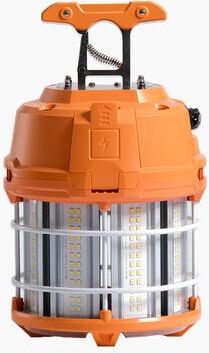
All Categories Goods LED Temporary Work Light Linkable Construction Job Site Lamp LED Temporary Work Light Linkable Construction Job Site LampLight up demanding spaces with a LED temporary work light built to keep every task clear, safe, and visible. This 60W hanging lamp is made for contractors, remodelers, workshop owners, and anyone who needs dependable temporary illumination. With...132,97 $*Shipping: 0,00 $Secure redirect to the provider
-
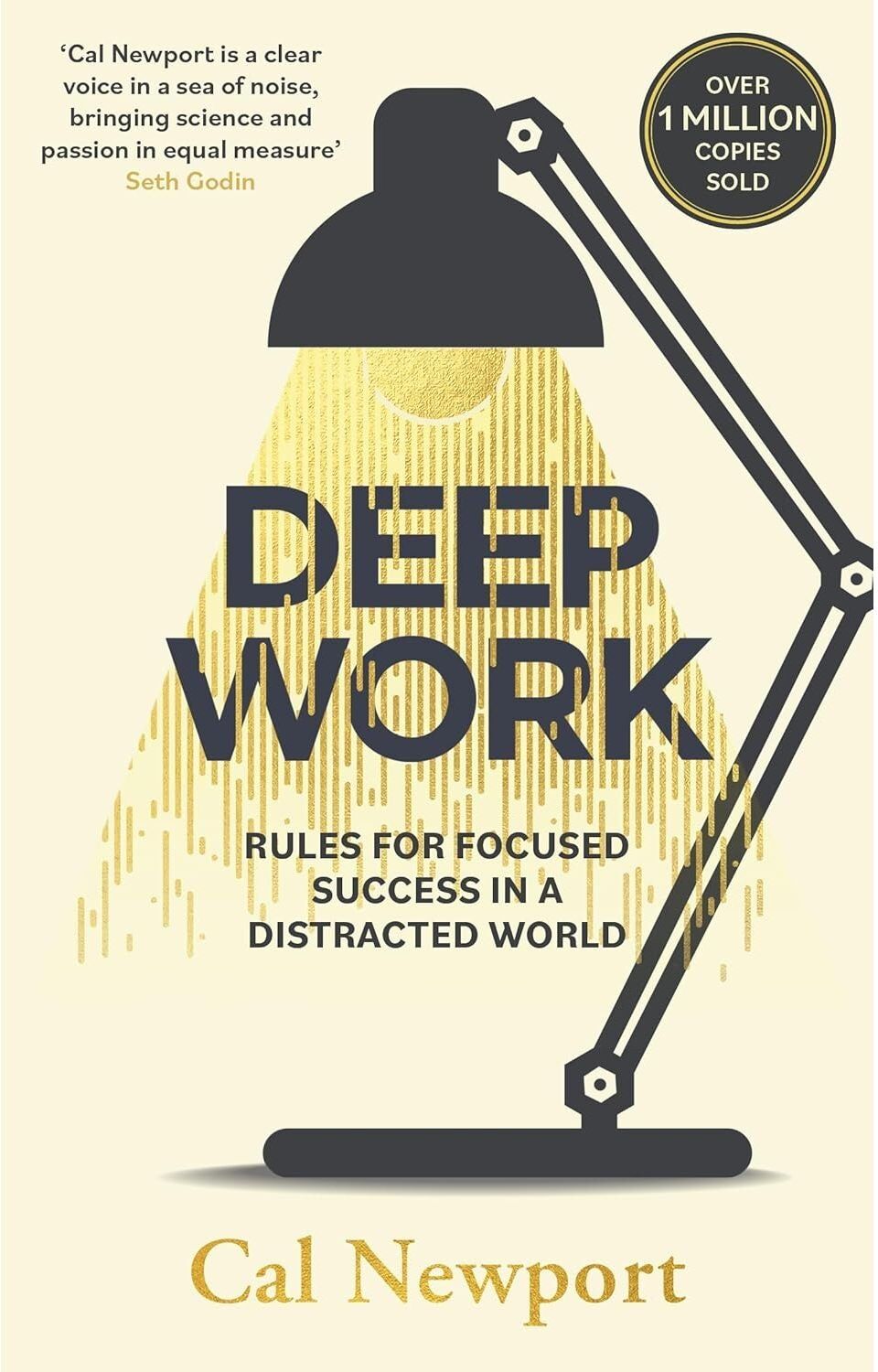
Piatkus Deep Work – Rules for Focused Success in a Distracted World by Cal Newport Productivity, Focus & Career Success BookIn a world full of distractions, the ability to focus deeply is becoming increasingly rare—and increasingly valuable. In Deep Work: Rules for Focused Success in a Distracted World, bestselling author and productivity expert Cal Newport explains why deep, concentrated work is the key to mastering complex skills, producing high-quality results, and standing out in your career. Drawing on neuroscience, psychology, and real-world examples, Newport shows how to eliminate distractions, train your focus, and work with intense concentration. The book combines compelling theory with practical strategies, helping readers build habits that support sustained attention and meaningful productivity in both professional and personal life. What You’ll Learn: Why deep work is essential for success in the modern economy How shallow work undermines productivity and focus Practical rules for building deep work habits Techniques to minimize distractions and digital overload How to produce better results in less time Perfect for professionals, students, creatives, and entrepreneurs, Deep Work is a must-read guide to achieving focus, efficiency, and long-term career success.7,99 £*Shipping: 2,99 £Secure redirect to the provider
-
Inspired Deals Battery Compatible Portable LED Work Light, 6000LM High Output 18V 20V Job Site Lighting Yellow Battery Compatible Portable LED Work Light, 6000LM High Output 18V 20V Job Site Lighting YellowStep out of the shadows and light up every task with our rugged portable cordless LED work light that transforms how you work and play. Designed for professionals, DIYers, and outdoor adventurers alike, this light delivers up to 6000LM of bright...59,97 $*Shipping: 0,00 $Secure redirect to the provider


-
What are enzymes?
Enzymes are biological molecules that act as catalysts to speed up chemical reactions in living organisms. They are typically proteins that bind to specific molecules, called substrates, and help to convert them into different molecules. Enzymes are essential for various biological processes, such as digestion, metabolism, and cellular signaling. They are highly specific in their actions and can be regulated to control the rate of reactions in the body. **
-
How does the keyhole principle work in enzymes?
The keyhole principle in enzymes refers to the specific shape and structure of the enzyme's active site, which is where the substrate molecule binds and undergoes a chemical reaction. The active site of the enzyme is like a keyhole, and the substrate molecule is like a key that fits perfectly into the active site. This specific binding ensures that only the correct substrate molecule can bind to the enzyme, allowing for highly specific and efficient catalysis of the reaction. The keyhole principle also explains how enzymes can catalyze reactions with high specificity and selectivity, as well as how they can be regulated by inhibitors that block the active site. **
-
Why are enzymes biocatalysts?
Enzymes are biocatalysts because they are able to speed up chemical reactions in living organisms without being consumed in the process. They do this by lowering the activation energy required for a reaction to occur, making it easier for the reaction to take place. Enzymes are highly specific in their action, targeting specific substrates and catalyzing specific reactions, which allows for precise control of metabolic processes in the cell. This specificity and efficiency make enzymes essential for the functioning of biological systems. **
-
What are key enzymes?
Key enzymes are proteins that catalyze specific chemical reactions within the body. They play a crucial role in regulating and speeding up metabolic processes, such as breaking down food for energy or building new molecules for growth and repair. Key enzymes are often involved in important biochemical pathways and are essential for maintaining overall health and homeostasis in the body. Their activity can be regulated by various factors, such as substrate concentration, pH, and temperature, and they are often targeted by drugs and therapies to treat various diseases and disorders. **

How are enzymes named?
Enzymes are named based on the type of reaction they catalyze and the substrate they act upon. The names of enzymes typically end in "-ase" to indicate their enzymatic function. The first part of the name often reflects the substrate or the type of reaction the enzyme is involved in. For example, the enzyme that breaks down lactose is called lactase, and the enzyme that breaks down lipids is called lipase. Additionally, enzymes are often given a systematic name based on their specific function and the biochemical pathways they are involved in. **
What are enzymes in biology?
Enzymes are biological molecules that act as catalysts to speed up chemical reactions in living organisms. They are typically proteins that bind to specific molecules, called substrates, and help to convert them into different molecules. Enzymes are essential for various cellular processes, such as metabolism, digestion, and DNA replication. They are highly specific, meaning each enzyme catalyzes a particular reaction. **
Top-Angebote
Products related to Enzymes:
-
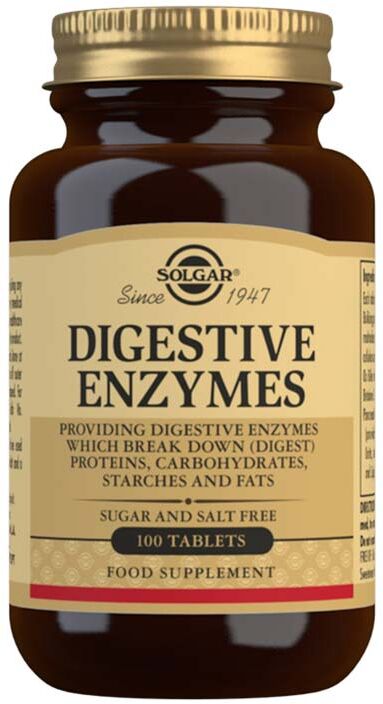
Solgar Digestive Enzymes 100 TabletsA unique proprietary complex, Solgar’s Digestive Enzymes provide support for your digestive system and for the absorption of food. Taking 1-3 of these premium, specialist supplements helps your body break down the food you eat and absorb nutrients. The digestive process is a complex one – the body breaks down the food we eat into nutrients. This is done with the help of digestive enzymes which are produced in the pancreas and small intestine. If we don’t have enough digestive enzymes, our body is not capable of breaking down food completely and nutrients won’t be absorbed efficiently, even if we follow a balanced, healthy diet. Chronic stress, low stomach acid and even food allergies can have an impact on the production of digestive enzymes – this is where Solgar comes in. Boasting ox bile, betaine, pancreatin, aspergillus oryzae, papain and pesin extract, Solgar’s supplement provides extra digestive support after meals. Each of its enzymes targets different food groups, ensuring a holistic approach to digestion. All Solgar products meet the industry-recognised “Gold Standard” for excellence. Made using naturally sourced ingredients and innovating since 1947. Key Benefits • Specialist combination of digestive enzymes to support the breakdown of proteins, carbohydrates, starches and fats • Helps your digestive system extract nutrients from your food • Designed to support your digestive system Ingredients Bulking Agents: (calcium carbonate, maltodextrin, microcrystalline cellulose, sucrose, lactose), Ox Bile Powdered Extract, Betaine HCI, Pancreatin 4X Concentrate (providing Protease, Amylase, Lipase), Powdered Peppermint (Mentha piperita) Leaf, Cross-Linked Cellulose Gum, Aspergillus oryzae, Amylase, Anti-caking Agents: (silicon dioxide, vegetable magnesium stearate), Papain, Glazing Agents: (hydroxypropylmethyl cellulose, vegetable glycerin (from palm kernel oil and coconut oil)), Pepsin Extract (contains milk).20,50 £*Shipping: 2,95 £Secure redirect to the provider
-
Upcircle Powder To Foam Face Wash With Willow Bark and Papaya EnzymesExperience a refreshing and radiant complexion with the Upcircle Powder To Foam Face Wash With Willow Bark and Papaya Enzymes. This innovative, water-activated cleanser features a non-stripping, soap-free formula designed to cleanse and gently exfoliate the skin. Each bottle provides up to 200 uses, offering a lightweight yet highly effective solution for a daily skincare routine. Skin is left feeling balanced, revitalized, and smooth after every use.The 97% natural formulation is enriched with upcycled rice lees and willow bark to refine texture and even out skin tone. Papaya enzymes provide a light polishing effect, lifting away dead skin cells and daily impurities to reveal a brighter appearance. This vegan and cruelty-free product is made in South Korea and comes in a recyclable glass bottle, making it an ideal choice for those seeking sustainable beauty options.Suitable for all skin types, including sensitive skin, this cleanser is simple to use. Dispense a small amount into wet hands and add water to create a soft, luxurious foam. Gently massage the foam into the skin and rinse thoroughly for a clean, refreshed finish.Key BenefitsCleanses and gently exfoliates without stripping the skin using a soap-free, 97% natural formula that leaves the complexion refreshed and radiant - Smooths and evens skin tone with upcycled rice lees, willow bark, and papaya enzymes that lift dead skin cells and daily impurities - Offers a sustainable and long-lasting skincare solution with up to 200 uses per recyclable glass bottle of this vegan and cruelty-free cleanserIngredients:97% Natural Ingredients: Zea Mays (Corn) Starch, Sodium Cocoyl Isethionate, Sodium Lauroyl Glutamate, Diglycerin, Oryza Sativa (Rice) Lees Extract, Salix Alba (Willow) Bark Extract, Oryza Sativa (Rice) Powder, Camellia Sinensis Leaf Powder, Centella Asiatica Leaf/Stem Powder, Chamomilla Recutita (Matricaria) Flower Extract, Allantoin, Papain, Panthenol, Maltodextrin, Glucose, Glycerin, Aqua (Water), 1,2-Hexanediol.17,59 £*Shipping: 2,95 £Secure redirect to the provider
-
Revuele Black Mask Peel Off Co-Enzymes peel-off mask to treat blackheads 80 mlRevuele Black Mask Peel Off Co-Enzymes, 80 ml, Cleansing masks for Women, Do you want to reveal more beautiful skin in one fell swoop and enjoy that feeling of satisfaction? This peel-off mask from RevueleBlack MaskPeel Off Co-Enzymes allows you to do this. It will enrich both your regular routine and perhaps a pyjama party or a quiet evening dedicated to wellness and relaxation. Characteristics: rids the skin of blackheads releases the dirt in the pores and tightens them beautifies the appearance of skin in general leaves skin silky soft to the touch cleans skin deeply Ingredients: activated charcoal – has superb absorption properties thanks to the porous surface, deeply cleanses and helps regulate sebum production How to use: Apply the mask in a thin layer to a cleansed face, avoiding the eye area. Leave to act for the time indicated on the packaging. Then peel off the mask carefully. Rinse off any mask residue with water.3,10 £*Shipping: 3,99 £Secure redirect to the provider
-
All Categories Goods LED Temporary Work Light Linkable Construction Job Site Lamp LED Temporary Work Light Linkable Construction Job Site LampLight up demanding spaces with a LED temporary work light built to keep every task clear, safe, and visible. This 60W hanging lamp is made for contractors, remodelers, workshop owners, and anyone who needs dependable temporary illumination. With...132,97 $*Shipping: 0,00 $Secure redirect to the provider
-
How do enzymes work?
Enzymes work by speeding up chemical reactions in the body. They do this by lowering the activation energy required for a reaction to occur, making it easier for the reaction to take place. Enzymes achieve this by binding to the substrate molecules involved in the reaction and bringing them into close proximity, allowing the reaction to occur more quickly. Enzymes are specific to the reactions they catalyze, and their activity can be influenced by factors such as temperature, pH, and the presence of inhibitors or activators. **
-
Are genetically modified enzymes the same as synthetic enzymes?
Genetically modified enzymes and synthetic enzymes are not the same. Genetically modified enzymes are produced by altering the genetic material of an organism, such as bacteria or yeast, to produce a specific enzyme. Synthetic enzymes, on the other hand, are created through chemical synthesis in a laboratory. While both types of enzymes can be used for various industrial and scientific applications, they are produced through different methods and have different origins. **
-
What are enzymes?
Enzymes are biological molecules that act as catalysts to speed up chemical reactions in living organisms. They are typically proteins that bind to specific molecules, called substrates, and help to convert them into different molecules. Enzymes are essential for various biological processes, such as digestion, metabolism, and cellular signaling. They are highly specific in their actions and can be regulated to control the rate of reactions in the body. **
-
How does the keyhole principle work in enzymes?
The keyhole principle in enzymes refers to the specific shape and structure of the enzyme's active site, which is where the substrate molecule binds and undergoes a chemical reaction. The active site of the enzyme is like a keyhole, and the substrate molecule is like a key that fits perfectly into the active site. This specific binding ensures that only the correct substrate molecule can bind to the enzyme, allowing for highly specific and efficient catalysis of the reaction. The keyhole principle also explains how enzymes can catalyze reactions with high specificity and selectivity, as well as how they can be regulated by inhibitors that block the active site. **
Similar search terms for Enzymes
-
Piatkus Deep Work – Rules for Focused Success in a Distracted World by Cal Newport Productivity, Focus & Career Success BookIn a world full of distractions, the ability to focus deeply is becoming increasingly rare—and increasingly valuable. In Deep Work: Rules for Focused Success in a Distracted World, bestselling author and productivity expert Cal Newport explains why deep, concentrated work is the key to mastering complex skills, producing high-quality results, and standing out in your career. Drawing on neuroscience, psychology, and real-world examples, Newport shows how to eliminate distractions, train your focus, and work with intense concentration. The book combines compelling theory with practical strategies, helping readers build habits that support sustained attention and meaningful productivity in both professional and personal life. What You’ll Learn: Why deep work is essential for success in the modern economy How shallow work undermines productivity and focus Practical rules for building deep work habits Techniques to minimize distractions and digital overload How to produce better results in less time Perfect for professionals, students, creatives, and entrepreneurs, Deep Work is a must-read guide to achieving focus, efficiency, and long-term career success.7,99 £*Shipping: 2,99 £Secure redirect to the provider
-
Inspired Deals Battery Compatible Portable LED Work Light, 6000LM High Output 18V 20V Job Site Lighting Yellow Battery Compatible Portable LED Work Light, 6000LM High Output 18V 20V Job Site Lighting YellowStep out of the shadows and light up every task with our rugged portable cordless LED work light that transforms how you work and play. Designed for professionals, DIYers, and outdoor adventurers alike, this light delivers up to 6000LM of bright...59,97 $*Shipping: 0,00 $Secure redirect to the provider
-
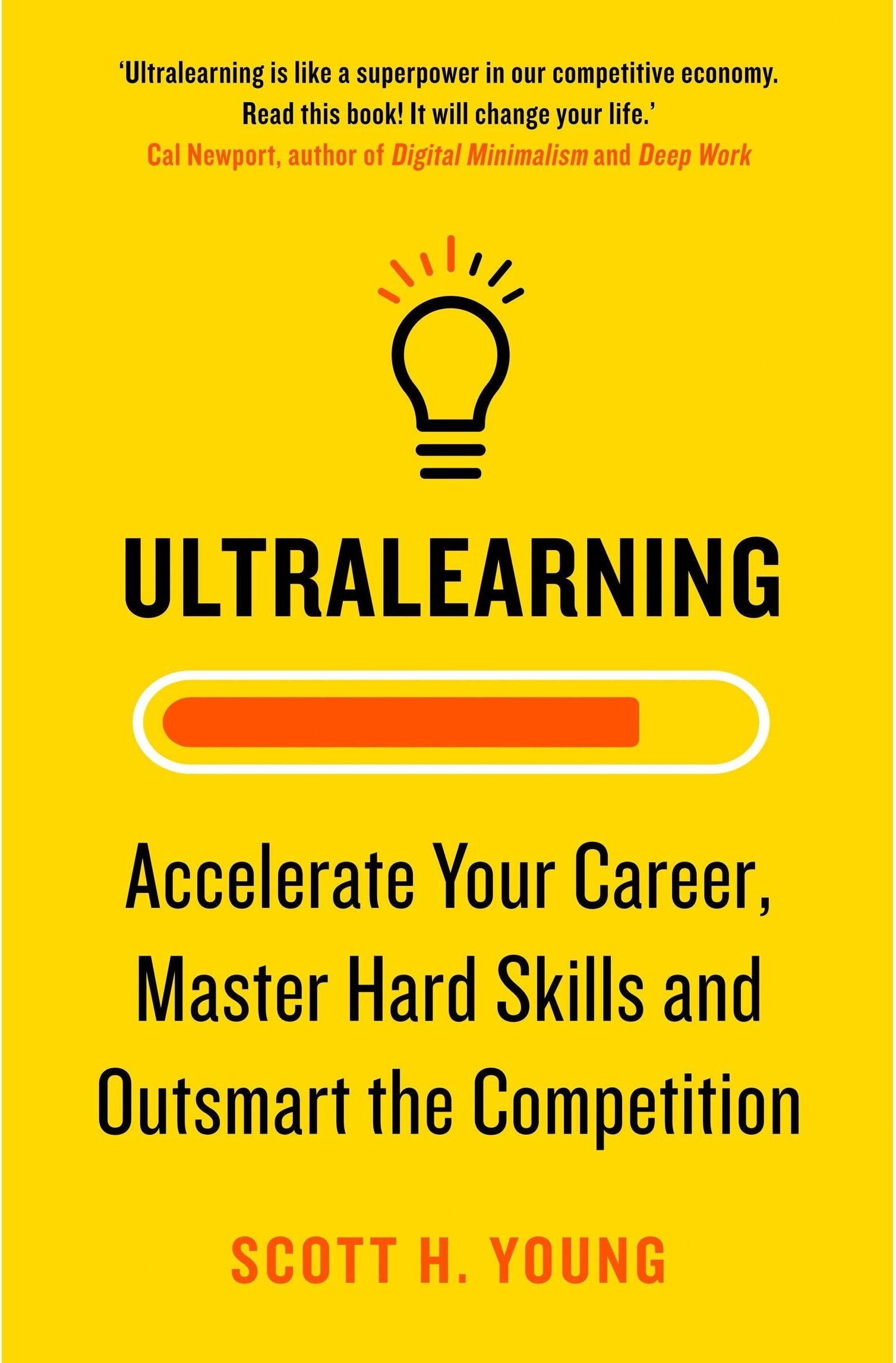
Thorsons Ultralearning: Accelerate Your Career, Master Hard Skills and Outsmart the CompetitionFuture-proof your career and maximize your competitive advantage by learning the skill necessary to stay relevant, reinvent yourself, and adapt to whatever the workplace throws your way in this essential guide. Faced with tumultuous economic times and rapid technological change, staying ahead in your career depends on continual learning―a lifelong mastery of new ideas, subjects, and skills. If you want to accomplish more and stand apart from everyone else, you need to become an ultralearner. Scott Young incorporates the latest research about the most effective learning methods and the stories of other ultralearners like himself―among them Ben Franklin, Judit Polgar, and Richard Feynman, as well as a host of others, such as little-known modern polymaths like Nigel Richards who won the World Championship of French Scrabble―without knowing French. Young documents the methods he and others have used and shows that, far from being an obscure skill limited to aggressive autodidacts, ultralearning is a powerful tool anyone can use to improve their career, studies, and life. Ultralearning explores this fascinating subculture, shares the nine principles behind every successful ultralearning project, and offers insights into how you can organize and execute a plan to learn anything deeply and quickly, without teachers or budget-busting tuition costs. Whether the goal is to be fluent in a language (or ten languages), earn the equivalent of a college degree in a fraction of the time, or master multiple skills to build a product or business from the ground up, the principles in Ultralearning will guide you to success.8,99 £*Shipping: 2,99 £Secure redirect to the provider
-
Scribe UK Find a Job - #ENTRYLEVELBOSS - a 9-step guide for finding a job you likeFind a Job - Banging your head against the wall with the job search? #ENTRYLEVELBOSS will help you stop freaking out. Miserable in your current role but no idea what to do next? With this book you'll be able to make a decision, no personality tests required. Convinced that you are the most unhireable person on this planet? That's statistically improbable - and you'll be amazed at how employable you'll be by the time you have finished reading. This is personal training for your career, based on a step-by-step plan that includes: All the intel you need about getting hired in today's world, in today's industries, and with today's tools. Hyper-specific advice including templates for networking emails, CVs, and cover letters. Straight-to-the-point guidance about what not to do. A solid dose of humour and emotional support from someone who really has been there. The world of work has changed, and getting hired today for a job you actually want is going to take a lot more than a neatly typed cover letter and a well-pressed suit. But along with all the challenges of the new economy come unprecedented opportunities, and careers expert Alexa Shoen is here to unlock them for you.4,99 £*Shipping: 1,99 £Secure redirect to the provider
-
Why are enzymes biocatalysts?
Enzymes are biocatalysts because they are able to speed up chemical reactions in living organisms without being consumed in the process. They do this by lowering the activation energy required for a reaction to occur, making it easier for the reaction to take place. Enzymes are highly specific in their action, targeting specific substrates and catalyzing specific reactions, which allows for precise control of metabolic processes in the cell. This specificity and efficiency make enzymes essential for the functioning of biological systems. **
-
What are key enzymes?
Key enzymes are proteins that catalyze specific chemical reactions within the body. They play a crucial role in regulating and speeding up metabolic processes, such as breaking down food for energy or building new molecules for growth and repair. Key enzymes are often involved in important biochemical pathways and are essential for maintaining overall health and homeostasis in the body. Their activity can be regulated by various factors, such as substrate concentration, pH, and temperature, and they are often targeted by drugs and therapies to treat various diseases and disorders. **
-
How are enzymes named?
Enzymes are named based on the type of reaction they catalyze and the substrate they act upon. The names of enzymes typically end in "-ase" to indicate their enzymatic function. The first part of the name often reflects the substrate or the type of reaction the enzyme is involved in. For example, the enzyme that breaks down lactose is called lactase, and the enzyme that breaks down lipids is called lipase. Additionally, enzymes are often given a systematic name based on their specific function and the biochemical pathways they are involved in. **
-
What are enzymes in biology?
Enzymes are biological molecules that act as catalysts to speed up chemical reactions in living organisms. They are typically proteins that bind to specific molecules, called substrates, and help to convert them into different molecules. Enzymes are essential for various cellular processes, such as metabolism, digestion, and DNA replication. They are highly specific, meaning each enzyme catalyzes a particular reaction. **
* All prices are inclusive of VAT and, if applicable, plus shipping costs. The offer information is based on the details provided by the respective shop and is updated through automated processes. Real-time updates do not occur, so deviations can occur in individual cases. ** Note: Parts of this content were created by AI.