Buy jobclick.eu ?
We are moving the project
jobclick.eu .
Are you interested in purchasing the domain
jobclick.eu ?
domain@kv-gmbh.de · 0541-91531010
Buy jobclick.eu ?
When are breathing pauses dangerous?
Breathing pauses can be dangerous when they occur frequently during sleep, as this may be a sign of a condition called sleep apnea. Sleep apnea can lead to serious health problems such as high blood pressure, heart disease, and stroke. It is important to seek medical attention if you or a loved one experiences frequent breathing pauses during sleep to determine the underlying cause and receive appropriate treatment. **
Do teenagers have growth pauses?
Yes, teenagers do experience growth pauses. During puberty, growth spurts occur as the body undergoes rapid physical changes. These growth spurts are often followed by periods of slower growth, known as growth pauses. These pauses allow the body to adjust to the changes and for the bones to strengthen before the next growth spurt. It is a normal part of the growth and development process during adolescence. **
Similar search terms for Pauses
Top-Angebote
Products related to Pauses:
-
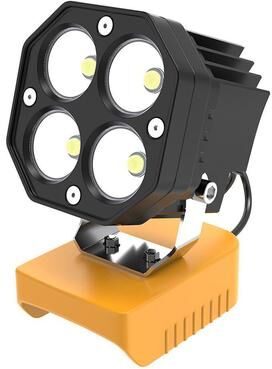
Inspired Deals Battery Compatible Portable LED Work Light, 6000LM High Output 18V 20V Job Site Lighting Yellow Battery Compatible Portable LED Work Light, 6000LM High Output 18V 20V Job Site Lighting YellowStep out of the shadows and light up every task with our rugged portable cordless LED work light that transforms how you work and play. Designed for professionals, DIYers, and outdoor adventurers alike, this light delivers up to 6000LM of bright...59,97 $*Shipping: 0,00 $Secure redirect to the provider
-
How do breathing pauses manifest themselves?
Breathing pauses manifest themselves as a temporary cessation of airflow, resulting in a pause in breathing. This can be observed as a sudden stop in the chest or abdominal movements associated with breathing. In some cases, breathing pauses may be accompanied by gasping or snoring sounds as the body tries to resume normal breathing. These pauses can disrupt sleep patterns and lead to symptoms such as daytime fatigue and difficulty concentrating. **
-
How long are breathing pauses normal?
Breathing pauses, also known as apnea, are normal during sleep and can last for about 10-20 seconds. However, if these pauses are longer or more frequent, it could be a sign of a sleep disorder such as sleep apnea. It is important to consult a healthcare provider if you are experiencing prolonged or frequent breathing pauses during sleep. **
-
What causes small breathing pauses psychologically?
Small breathing pauses can be caused psychologically by stress, anxiety, or fear. When individuals are feeling overwhelmed or anxious, they may unconsciously hold their breath or take shallow breaths, leading to these pauses. Additionally, emotions such as sadness or anger can also impact breathing patterns and result in brief pauses. It is important to address the underlying psychological factors contributing to these breathing pauses in order to manage and alleviate them effectively. **
-
How dangerous are breathing pauses during sleep?
Breathing pauses during sleep, also known as sleep apnea, can be dangerous as they can lead to decreased oxygen levels in the body. This can result in a variety of health issues, including high blood pressure, heart disease, stroke, and daytime fatigue. It is important to seek medical attention if you suspect you have sleep apnea to receive proper diagnosis and treatment to reduce the associated health risks. **
How many pauses in breathing are normal?
On average, adults take about 12-20 breaths per minute, with each breath lasting about 4-5 seconds. This means that a normal breathing rate would involve around 12-20 pauses in breathing per minute. However, it's important to note that the number of pauses in breathing can vary depending on factors such as physical activity, stress levels, and overall health. If you notice any significant changes in your breathing patterns, it's best to consult a healthcare professional for further evaluation. **
How to avoid conversation pauses and the like?
To avoid conversation pauses and awkward silences, it is important to actively listen to the other person and show genuine interest in what they are saying. Asking open-ended questions can help keep the conversation flowing and prevent it from stalling. Additionally, sharing personal anecdotes or stories related to the topic can help keep the conversation engaging. Lastly, being mindful of nonverbal cues such as nodding, smiling, and maintaining eye contact can show the other person that you are engaged and interested in the conversation. **
Top-Angebote
Products related to Pauses:
-
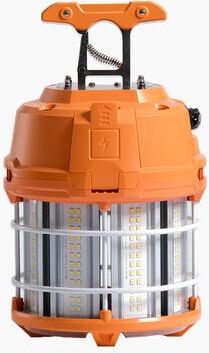
All Categories Goods LED Temporary Work Light Linkable Construction Job Site Lamp LED Temporary Work Light Linkable Construction Job Site LampLight up demanding spaces with a LED temporary work light built to keep every task clear, safe, and visible. This 60W hanging lamp is made for contractors, remodelers, workshop owners, and anyone who needs dependable temporary illumination. With...132,97 $*Shipping: 0,00 $Secure redirect to the provider
-
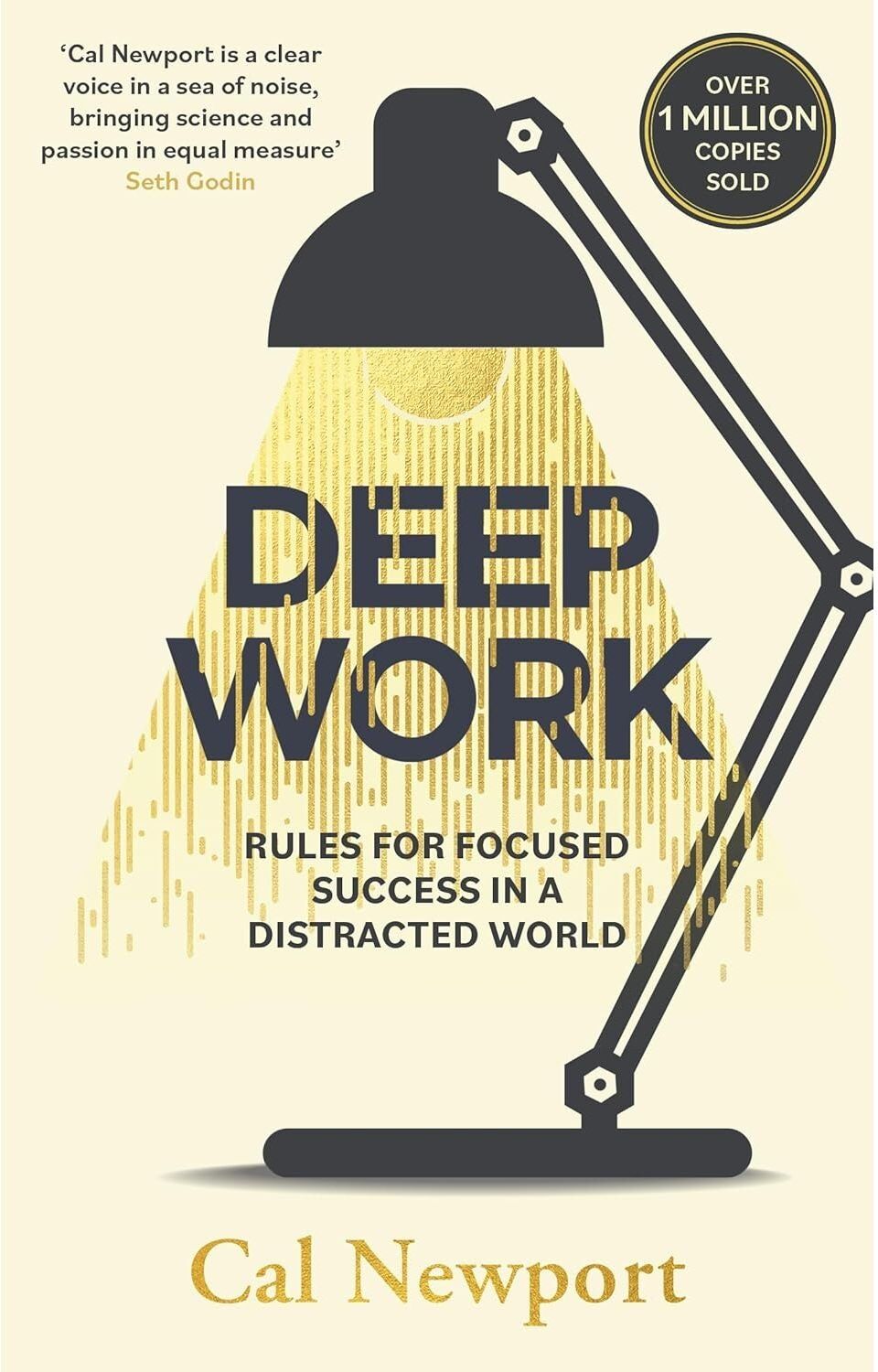
Piatkus Deep Work – Rules for Focused Success in a Distracted World by Cal Newport Productivity, Focus & Career Success BookIn a world full of distractions, the ability to focus deeply is becoming increasingly rare—and increasingly valuable. In Deep Work: Rules for Focused Success in a Distracted World, bestselling author and productivity expert Cal Newport explains why deep, concentrated work is the key to mastering complex skills, producing high-quality results, and standing out in your career. Drawing on neuroscience, psychology, and real-world examples, Newport shows how to eliminate distractions, train your focus, and work with intense concentration. The book combines compelling theory with practical strategies, helping readers build habits that support sustained attention and meaningful productivity in both professional and personal life. What You’ll Learn: Why deep work is essential for success in the modern economy How shallow work undermines productivity and focus Practical rules for building deep work habits Techniques to minimize distractions and digital overload How to produce better results in less time Perfect for professionals, students, creatives, and entrepreneurs, Deep Work is a must-read guide to achieving focus, efficiency, and long-term career success.7,99 £*Shipping: 2,99 £Secure redirect to the provider
-
Inspired Deals Battery Compatible Portable LED Work Light, 6000LM High Output 18V 20V Job Site Lighting Yellow Battery Compatible Portable LED Work Light, 6000LM High Output 18V 20V Job Site Lighting YellowStep out of the shadows and light up every task with our rugged portable cordless LED work light that transforms how you work and play. Designed for professionals, DIYers, and outdoor adventurers alike, this light delivers up to 6000LM of bright...59,97 $*Shipping: 0,00 $Secure redirect to the provider
-
When are breathing pauses dangerous?
Breathing pauses can be dangerous when they occur frequently during sleep, as this may be a sign of a condition called sleep apnea. Sleep apnea can lead to serious health problems such as high blood pressure, heart disease, and stroke. It is important to seek medical attention if you or a loved one experiences frequent breathing pauses during sleep to determine the underlying cause and receive appropriate treatment. **
-
Do teenagers have growth pauses?
Yes, teenagers do experience growth pauses. During puberty, growth spurts occur as the body undergoes rapid physical changes. These growth spurts are often followed by periods of slower growth, known as growth pauses. These pauses allow the body to adjust to the changes and for the bones to strengthen before the next growth spurt. It is a normal part of the growth and development process during adolescence. **
-
How do breathing pauses manifest themselves?
Breathing pauses manifest themselves as a temporary cessation of airflow, resulting in a pause in breathing. This can be observed as a sudden stop in the chest or abdominal movements associated with breathing. In some cases, breathing pauses may be accompanied by gasping or snoring sounds as the body tries to resume normal breathing. These pauses can disrupt sleep patterns and lead to symptoms such as daytime fatigue and difficulty concentrating. **
-
How long are breathing pauses normal?
Breathing pauses, also known as apnea, are normal during sleep and can last for about 10-20 seconds. However, if these pauses are longer or more frequent, it could be a sign of a sleep disorder such as sleep apnea. It is important to consult a healthcare provider if you are experiencing prolonged or frequent breathing pauses during sleep. **
Similar search terms for Pauses
-
What causes small breathing pauses psychologically?
Small breathing pauses can be caused psychologically by stress, anxiety, or fear. When individuals are feeling overwhelmed or anxious, they may unconsciously hold their breath or take shallow breaths, leading to these pauses. Additionally, emotions such as sadness or anger can also impact breathing patterns and result in brief pauses. It is important to address the underlying psychological factors contributing to these breathing pauses in order to manage and alleviate them effectively. **
-
How dangerous are breathing pauses during sleep?
Breathing pauses during sleep, also known as sleep apnea, can be dangerous as they can lead to decreased oxygen levels in the body. This can result in a variety of health issues, including high blood pressure, heart disease, stroke, and daytime fatigue. It is important to seek medical attention if you suspect you have sleep apnea to receive proper diagnosis and treatment to reduce the associated health risks. **
-
How many pauses in breathing are normal?
On average, adults take about 12-20 breaths per minute, with each breath lasting about 4-5 seconds. This means that a normal breathing rate would involve around 12-20 pauses in breathing per minute. However, it's important to note that the number of pauses in breathing can vary depending on factors such as physical activity, stress levels, and overall health. If you notice any significant changes in your breathing patterns, it's best to consult a healthcare professional for further evaluation. **
-
How to avoid conversation pauses and the like?
To avoid conversation pauses and awkward silences, it is important to actively listen to the other person and show genuine interest in what they are saying. Asking open-ended questions can help keep the conversation flowing and prevent it from stalling. Additionally, sharing personal anecdotes or stories related to the topic can help keep the conversation engaging. Lastly, being mindful of nonverbal cues such as nodding, smiling, and maintaining eye contact can show the other person that you are engaged and interested in the conversation. **
* All prices are inclusive of VAT and, if applicable, plus shipping costs. The offer information is based on the details provided by the respective shop and is updated through automated processes. Real-time updates do not occur, so deviations can occur in individual cases. ** Note: Parts of this content were created by AI.