Buy jobclick.eu ?
We are moving the project
jobclick.eu .
Are you interested in purchasing the domain
jobclick.eu ?
domain@kv-gmbh.de · 0541-91531010
Buy jobclick.eu ?
Does anesthesia not work?
Anesthesia generally works very effectively in numbing pain and inducing unconsciousness during medical procedures. However, there are rare cases where anesthesia may not work as expected due to factors such as individual differences in response to anesthesia, drug interactions, or underlying medical conditions. In these cases, anesthesiologists may need to adjust the dosage or type of anesthesia to ensure the patient's comfort and safety during the procedure. Overall, while anesthesia is highly effective, it is important for medical professionals to carefully monitor and adjust its administration to meet the specific needs of each patient. **
How does a dental anesthesia work?
Dental anesthesia works by blocking the transmission of pain signals from the nerves in the mouth to the brain. This is typically achieved by injecting a local anesthetic, such as lidocaine, into the gum tissue near the area being treated. The anesthetic temporarily blocks the sodium channels in the nerve fibers, preventing them from sending pain signals to the brain. This allows the dentist to perform procedures, such as fillings or extractions, without the patient feeling pain. **


Similar search terms for Anesthesia
Top-Angebote
Products related to Anesthesia:
-
Fusion Finds Veterinary Anesthesia Mask Medical Grade Pet Anesthesia Mask With Transparent Dome & Silicone Seal 2Experience greater confidence during every veterinary procedure with this professional veterinary anesthesia mask designed for safe, reliable anesthesia delivery. Built for veterinarians, animal hospitals, and clinics, it features a crystalclear...44,97 $*Shipping: 0,00 $Secure redirect to the provider
-
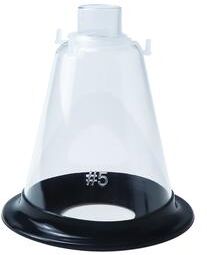
Fusion Finds Veterinary Anesthesia Mask Medical Grade Pet Anesthesia Mask With Transparent Dome & Silicone Seal 5Experience greater confidence during every veterinary procedure with this professional veterinary anesthesia mask designed for safe, reliable anesthesia delivery. Built for veterinarians, animal hospitals, and clinics, it features a crystalclear...44,97 $*Shipping: 0,00 $Secure redirect to the provider
-
Fusion Finds Veterinary Anesthesia Mask Medical Grade Pet Anesthesia Mask With Transparent Dome & Silicone Seal 1Experience greater confidence during every veterinary procedure with this professional veterinary anesthesia mask designed for safe, reliable anesthesia delivery. Built for veterinarians, animal hospitals, and clinics, it features a crystalclear...44,97 $*Shipping: 0,00 $Secure redirect to the provider
-
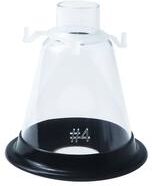
Fusion Finds Veterinary Anesthesia Mask Medical Grade Pet Anesthesia Mask With Transparent Dome & Silicone Seal 4Experience greater confidence during every veterinary procedure with this professional veterinary anesthesia mask designed for safe, reliable anesthesia delivery. Built for veterinarians, animal hospitals, and clinics, it features a crystalclear...44,97 $*Shipping: 0,00 $Secure redirect to the provider

-
How does anesthesia work during tattooing?
Anesthesia during tattooing is typically administered topically or locally. Topical anesthesia is applied to the skin's surface to numb the area before the tattooing process begins. Local anesthesia involves injecting a numbing agent directly into the skin near the tattoo site to block pain signals from reaching the brain. Both methods help reduce discomfort and pain during the tattooing procedure, making it more tolerable for the individual getting tattooed. **
-
How does a tooth anesthesia work?
Tooth anesthesia works by blocking the transmission of pain signals from the tooth to the brain. Local anesthetics are injected near the tooth to numb the nerves in the area, preventing them from sending pain signals. This allows dental procedures to be performed without the patient feeling pain or discomfort. The effects of tooth anesthesia typically wear off after a few hours as the medication is metabolized and eliminated from the body. **
-
What is the difference between local anesthesia and general anesthesia?
Local anesthesia is a type of anesthesia that numbs a specific part of the body, such as a limb or a small area, without affecting the patient's consciousness. General anesthesia, on the other hand, induces a state of unconsciousness and loss of sensation throughout the entire body. Local anesthesia is typically used for minor procedures, while general anesthesia is used for more complex surgeries or procedures that require the patient to be completely unconscious. **
-
How does general anesthesia work for wisdom teeth?
General anesthesia for wisdom teeth removal involves the administration of medication that induces a state of unconsciousness, allowing the patient to be completely unaware and unresponsive during the procedure. The anesthetic drugs are typically delivered through an IV, and the patient's vital signs are closely monitored by an anesthesiologist throughout the procedure. This type of anesthesia is often used for more complex or multiple wisdom teeth extractions, as it provides a deeper level of sedation and ensures the patient's comfort and safety during the surgery. After the procedure, the effects of the anesthesia gradually wear off, and the patient is monitored until they are fully awake and stable before being discharged. **


Should wisdom teeth be removed under general anesthesia or local anesthesia?
The decision to remove wisdom teeth under general anesthesia or local anesthesia depends on the complexity of the procedure and the patient's individual needs. General anesthesia may be recommended for more complex cases, such as impacted or deeply rooted wisdom teeth, as it allows the patient to be unconscious and unaware of the procedure. However, local anesthesia can be sufficient for straightforward cases, and it allows the patient to remain awake and aware during the procedure. Ultimately, the best approach should be determined by the dentist or oral surgeon in consultation with the patient, taking into account the specific circumstances and the patient's comfort and safety. **
Is general anesthesia risky?
General anesthesia carries some risks, as with any medical procedure. These risks can include allergic reactions, breathing problems, and potential complications with other medical conditions. However, the overall risk of serious complications is relatively low, and anesthesiologists are highly trained to monitor and manage patients during anesthesia to minimize these risks. It's important for patients to discuss any concerns with their healthcare provider and follow pre-operative instructions to help reduce the potential risks associated with general anesthesia. **
Top-Angebote
Products related to Anesthesia:
-
Fusion Finds Veterinary Anesthesia Mask Medical Grade Pet Anesthesia Mask With Transparent Dome & Silicone Seal 6Experience greater confidence during every veterinary procedure with this professional veterinary anesthesia mask designed for safe, reliable anesthesia delivery. Built for veterinarians, animal hospitals, and clinics, it features a crystalclear...44,97 $*Shipping: 0,00 $Secure redirect to the provider
-
Fusion Finds Veterinary Anesthesia Mask Medical Grade Pet Anesthesia Mask With Transparent Dome & Silicone Seal 2Experience greater confidence during every veterinary procedure with this professional veterinary anesthesia mask designed for safe, reliable anesthesia delivery. Built for veterinarians, animal hospitals, and clinics, it features a crystalclear...44,97 $*Shipping: 0,00 $Secure redirect to the provider
-
Fusion Finds Veterinary Anesthesia Mask Medical Grade Pet Anesthesia Mask With Transparent Dome & Silicone Seal 5Experience greater confidence during every veterinary procedure with this professional veterinary anesthesia mask designed for safe, reliable anesthesia delivery. Built for veterinarians, animal hospitals, and clinics, it features a crystalclear...44,97 $*Shipping: 0,00 $Secure redirect to the provider
-
Does anesthesia not work?
Anesthesia generally works very effectively in numbing pain and inducing unconsciousness during medical procedures. However, there are rare cases where anesthesia may not work as expected due to factors such as individual differences in response to anesthesia, drug interactions, or underlying medical conditions. In these cases, anesthesiologists may need to adjust the dosage or type of anesthesia to ensure the patient's comfort and safety during the procedure. Overall, while anesthesia is highly effective, it is important for medical professionals to carefully monitor and adjust its administration to meet the specific needs of each patient. **
-
How does a dental anesthesia work?
Dental anesthesia works by blocking the transmission of pain signals from the nerves in the mouth to the brain. This is typically achieved by injecting a local anesthetic, such as lidocaine, into the gum tissue near the area being treated. The anesthetic temporarily blocks the sodium channels in the nerve fibers, preventing them from sending pain signals to the brain. This allows the dentist to perform procedures, such as fillings or extractions, without the patient feeling pain. **
-
How does anesthesia work during tattooing?
Anesthesia during tattooing is typically administered topically or locally. Topical anesthesia is applied to the skin's surface to numb the area before the tattooing process begins. Local anesthesia involves injecting a numbing agent directly into the skin near the tattoo site to block pain signals from reaching the brain. Both methods help reduce discomfort and pain during the tattooing procedure, making it more tolerable for the individual getting tattooed. **
-
How does a tooth anesthesia work?
Tooth anesthesia works by blocking the transmission of pain signals from the tooth to the brain. Local anesthetics are injected near the tooth to numb the nerves in the area, preventing them from sending pain signals. This allows dental procedures to be performed without the patient feeling pain or discomfort. The effects of tooth anesthesia typically wear off after a few hours as the medication is metabolized and eliminated from the body. **
Similar search terms for Anesthesia
-
Fusion Finds Veterinary Anesthesia Mask Medical Grade Pet Anesthesia Mask With Transparent Dome & Silicone Seal 1Experience greater confidence during every veterinary procedure with this professional veterinary anesthesia mask designed for safe, reliable anesthesia delivery. Built for veterinarians, animal hospitals, and clinics, it features a crystalclear...44,97 $*Shipping: 0,00 $Secure redirect to the provider
-
Fusion Finds Veterinary Anesthesia Mask Medical Grade Pet Anesthesia Mask With Transparent Dome & Silicone Seal 4Experience greater confidence during every veterinary procedure with this professional veterinary anesthesia mask designed for safe, reliable anesthesia delivery. Built for veterinarians, animal hospitals, and clinics, it features a crystalclear...44,97 $*Shipping: 0,00 $Secure redirect to the provider
-
Fusion Finds Veterinary Anesthesia Mask Medical Grade Pet Anesthesia Mask With Transparent Dome & Silicone Seal 3Experience greater confidence during every veterinary procedure with this professional veterinary anesthesia mask designed for safe, reliable anesthesia delivery. Built for veterinarians, animal hospitals, and clinics, it features a crystalclear...44,97 $*Shipping: 0,00 $Secure redirect to the provider
-
What is the difference between local anesthesia and general anesthesia?
Local anesthesia is a type of anesthesia that numbs a specific part of the body, such as a limb or a small area, without affecting the patient's consciousness. General anesthesia, on the other hand, induces a state of unconsciousness and loss of sensation throughout the entire body. Local anesthesia is typically used for minor procedures, while general anesthesia is used for more complex surgeries or procedures that require the patient to be completely unconscious. **
-
How does general anesthesia work for wisdom teeth?
General anesthesia for wisdom teeth removal involves the administration of medication that induces a state of unconsciousness, allowing the patient to be completely unaware and unresponsive during the procedure. The anesthetic drugs are typically delivered through an IV, and the patient's vital signs are closely monitored by an anesthesiologist throughout the procedure. This type of anesthesia is often used for more complex or multiple wisdom teeth extractions, as it provides a deeper level of sedation and ensures the patient's comfort and safety during the surgery. After the procedure, the effects of the anesthesia gradually wear off, and the patient is monitored until they are fully awake and stable before being discharged. **
-
Should wisdom teeth be removed under general anesthesia or local anesthesia?
The decision to remove wisdom teeth under general anesthesia or local anesthesia depends on the complexity of the procedure and the patient's individual needs. General anesthesia may be recommended for more complex cases, such as impacted or deeply rooted wisdom teeth, as it allows the patient to be unconscious and unaware of the procedure. However, local anesthesia can be sufficient for straightforward cases, and it allows the patient to remain awake and aware during the procedure. Ultimately, the best approach should be determined by the dentist or oral surgeon in consultation with the patient, taking into account the specific circumstances and the patient's comfort and safety. **
-
Is general anesthesia risky?
General anesthesia carries some risks, as with any medical procedure. These risks can include allergic reactions, breathing problems, and potential complications with other medical conditions. However, the overall risk of serious complications is relatively low, and anesthesiologists are highly trained to monitor and manage patients during anesthesia to minimize these risks. It's important for patients to discuss any concerns with their healthcare provider and follow pre-operative instructions to help reduce the potential risks associated with general anesthesia. **
* All prices are inclusive of VAT and, if applicable, plus shipping costs. The offer information is based on the details provided by the respective shop and is updated through automated processes. Real-time updates do not occur, so deviations can occur in individual cases. ** Note: Parts of this content were created by AI.