Buy jobclick.eu ?
We are moving the project
jobclick.eu .
Are you interested in purchasing the domain
jobclick.eu ?
domain@kv-gmbh.de · 0541-91531010
Buy jobclick.eu ?
What is BPM?
BPM stands for Business Process Management, which is a systematic approach to improving an organization's processes in order to achieve better efficiency, effectiveness, and adaptability. It involves analyzing, designing, implementing, and continuously improving business processes to meet the organization's goals. BPM often involves the use of technology to automate and streamline processes, as well as the use of data and analytics to monitor and optimize performance. Overall, BPM is a holistic approach to managing and improving business processes to drive better outcomes for the organization. **
'How many BPM?'
The number of beats per minute (BPM) can vary depending on the context. In music, BPM typically ranges from 60 to 200, with slower tempos for ballads and faster tempos for dance music. In terms of heart rate, a normal resting heart rate for adults is between 60-100 BPM, with lower rates for athletes and higher rates during exercise. Overall, the specific BPM will depend on the specific situation and context. **
Similar search terms for BPM
Top-Angebote
Products related to BPM:
-
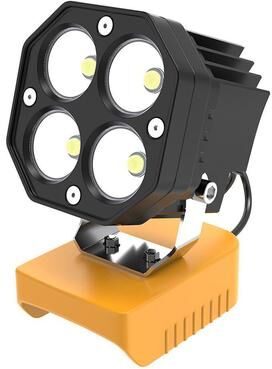
Inspired Deals Battery Compatible Portable LED Work Light, 6000LM High Output 18V 20V Job Site Lighting Yellow Battery Compatible Portable LED Work Light, 6000LM High Output 18V 20V Job Site Lighting YellowStep out of the shadows and light up every task with our rugged portable cordless LED work light that transforms how you work and play. Designed for professionals, DIYers, and outdoor adventurers alike, this light delivers up to 6000LM of bright...59,97 $*Shipping: 0,00 $Secure redirect to the provider
-
What does BPM mean?
BPM stands for "beats per minute" and is a measure of the tempo or speed of a piece of music. It indicates how many beats occur in one minute of time, and is commonly used in music production and performance to communicate the pace of a song. BPM is also used in other contexts, such as in healthcare to measure heart rate, in exercise to measure workout intensity, and in business to measure process efficiency. **
-
Which music has which BPM?
The BPM (beats per minute) of a song determines its tempo. Generally, music with a BPM of 60-90 is considered slow, such as ballads or classical music. Music with a BPM of 90-120 is considered moderate, suitable for pop or rock songs. Music with a BPM of 120-160 is considered fast, often found in dance, electronic, or hip-hop genres. **
-
Which songs have 125 bpm?
Some popular songs with 125 bpm include "Uptown Funk" by Mark Ronson ft. Bruno Mars, "Can't Stop the Feeling!" by Justin Timberlake, and "Shut Up and Dance" by Walk the Moon. This tempo is often associated with upbeat and energetic tracks that are perfect for dancing or working out. The consistent rhythm of 125 bpm helps create a lively and engaging feel in these songs. **
-
What is a BPM analyzer?
A BPM (beats per minute) analyzer is a tool used to measure the tempo or speed of a piece of music. It calculates the number of beats in a minute, providing a numerical value that represents the music's rhythm. This can be useful for DJs, musicians, and music producers to accurately match the tempo of different tracks, create seamless transitions between songs, or synchronize various elements of a musical composition. BPM analyzers are often found in music production software or as standalone applications. **
Why is Reggae and Dub sometimes produced at around 130 bpm instead of 65 bpm?
Reggae and Dub music are often produced at around 130 bpm instead of 65 bpm because they are typically played in half-time. This means that the tempo feels slower than it actually is, giving the music a laid-back and relaxed feel. By doubling the tempo to 130 bpm, the music maintains its slow groove while still providing a steady beat for dancing and movement. Additionally, the faster tempo allows for more intricate drum patterns and rhythmic variations, adding depth and complexity to the music. **
How can one determine the BPM?
One can determine the BPM (beats per minute) of a song by using a metronome or a BPM counter tool. Alternatively, one can manually count the number of beats that occur in a specific time frame, such as 60 seconds, and then multiply that number by the appropriate factor to calculate the BPM. Another method is to use software or apps that can analyze the tempo of a song and provide the BPM measurement. **
Top-Angebote
Products related to BPM:
-
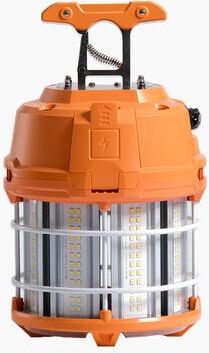
All Categories Goods LED Temporary Work Light Linkable Construction Job Site Lamp LED Temporary Work Light Linkable Construction Job Site LampLight up demanding spaces with a LED temporary work light built to keep every task clear, safe, and visible. This 60W hanging lamp is made for contractors, remodelers, workshop owners, and anyone who needs dependable temporary illumination. With...132,97 $*Shipping: 0,00 $Secure redirect to the provider
-
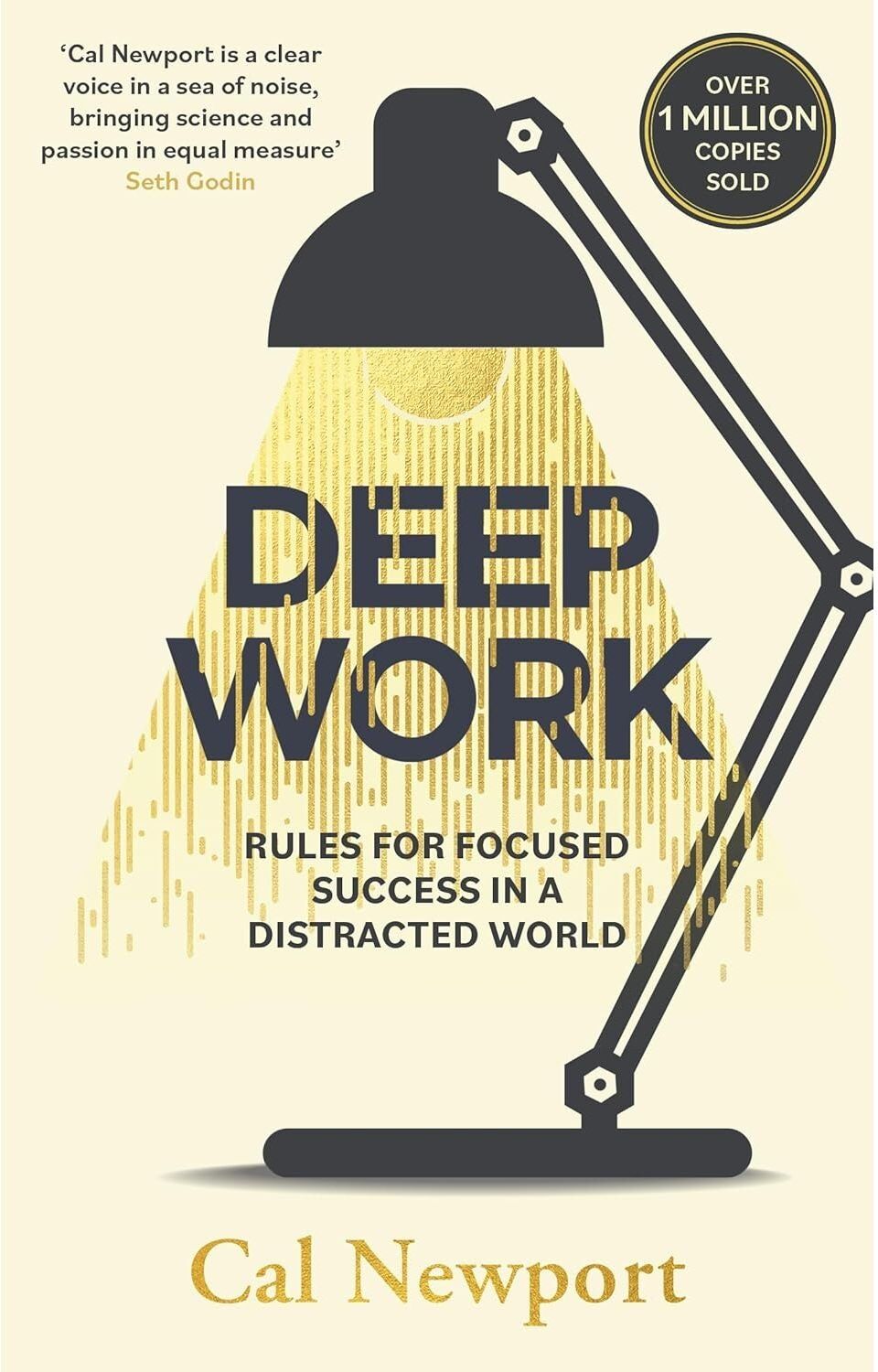
Piatkus Deep Work – Rules for Focused Success in a Distracted World by Cal Newport Productivity, Focus & Career Success BookIn a world full of distractions, the ability to focus deeply is becoming increasingly rare—and increasingly valuable. In Deep Work: Rules for Focused Success in a Distracted World, bestselling author and productivity expert Cal Newport explains why deep, concentrated work is the key to mastering complex skills, producing high-quality results, and standing out in your career. Drawing on neuroscience, psychology, and real-world examples, Newport shows how to eliminate distractions, train your focus, and work with intense concentration. The book combines compelling theory with practical strategies, helping readers build habits that support sustained attention and meaningful productivity in both professional and personal life. What You’ll Learn: Why deep work is essential for success in the modern economy How shallow work undermines productivity and focus Practical rules for building deep work habits Techniques to minimize distractions and digital overload How to produce better results in less time Perfect for professionals, students, creatives, and entrepreneurs, Deep Work is a must-read guide to achieving focus, efficiency, and long-term career success.7,99 £*Shipping: 2,99 £Secure redirect to the provider
-
Inspired Deals Battery Compatible Portable LED Work Light, 6000LM High Output 18V 20V Job Site Lighting Yellow Battery Compatible Portable LED Work Light, 6000LM High Output 18V 20V Job Site Lighting YellowStep out of the shadows and light up every task with our rugged portable cordless LED work light that transforms how you work and play. Designed for professionals, DIYers, and outdoor adventurers alike, this light delivers up to 6000LM of bright...59,97 $*Shipping: 0,00 $Secure redirect to the provider
-
What is BPM?
BPM stands for Business Process Management, which is a systematic approach to improving an organization's processes in order to achieve better efficiency, effectiveness, and adaptability. It involves analyzing, designing, implementing, and continuously improving business processes to meet the organization's goals. BPM often involves the use of technology to automate and streamline processes, as well as the use of data and analytics to monitor and optimize performance. Overall, BPM is a holistic approach to managing and improving business processes to drive better outcomes for the organization. **
-
'How many BPM?'
The number of beats per minute (BPM) can vary depending on the context. In music, BPM typically ranges from 60 to 200, with slower tempos for ballads and faster tempos for dance music. In terms of heart rate, a normal resting heart rate for adults is between 60-100 BPM, with lower rates for athletes and higher rates during exercise. Overall, the specific BPM will depend on the specific situation and context. **
-
What does BPM mean?
BPM stands for "beats per minute" and is a measure of the tempo or speed of a piece of music. It indicates how many beats occur in one minute of time, and is commonly used in music production and performance to communicate the pace of a song. BPM is also used in other contexts, such as in healthcare to measure heart rate, in exercise to measure workout intensity, and in business to measure process efficiency. **
-
Which music has which BPM?
The BPM (beats per minute) of a song determines its tempo. Generally, music with a BPM of 60-90 is considered slow, such as ballads or classical music. Music with a BPM of 90-120 is considered moderate, suitable for pop or rock songs. Music with a BPM of 120-160 is considered fast, often found in dance, electronic, or hip-hop genres. **
Similar search terms for BPM
-
Which songs have 125 bpm?
Some popular songs with 125 bpm include "Uptown Funk" by Mark Ronson ft. Bruno Mars, "Can't Stop the Feeling!" by Justin Timberlake, and "Shut Up and Dance" by Walk the Moon. This tempo is often associated with upbeat and energetic tracks that are perfect for dancing or working out. The consistent rhythm of 125 bpm helps create a lively and engaging feel in these songs. **
-
What is a BPM analyzer?
A BPM (beats per minute) analyzer is a tool used to measure the tempo or speed of a piece of music. It calculates the number of beats in a minute, providing a numerical value that represents the music's rhythm. This can be useful for DJs, musicians, and music producers to accurately match the tempo of different tracks, create seamless transitions between songs, or synchronize various elements of a musical composition. BPM analyzers are often found in music production software or as standalone applications. **
-
Why is Reggae and Dub sometimes produced at around 130 bpm instead of 65 bpm?
Reggae and Dub music are often produced at around 130 bpm instead of 65 bpm because they are typically played in half-time. This means that the tempo feels slower than it actually is, giving the music a laid-back and relaxed feel. By doubling the tempo to 130 bpm, the music maintains its slow groove while still providing a steady beat for dancing and movement. Additionally, the faster tempo allows for more intricate drum patterns and rhythmic variations, adding depth and complexity to the music. **
-
How can one determine the BPM?
One can determine the BPM (beats per minute) of a song by using a metronome or a BPM counter tool. Alternatively, one can manually count the number of beats that occur in a specific time frame, such as 60 seconds, and then multiply that number by the appropriate factor to calculate the BPM. Another method is to use software or apps that can analyze the tempo of a song and provide the BPM measurement. **
* All prices are inclusive of VAT and, if applicable, plus shipping costs. The offer information is based on the details provided by the respective shop and is updated through automated processes. Real-time updates do not occur, so deviations can occur in individual cases. ** Note: Parts of this content were created by AI.