Buy jobclick.eu ?
We are moving the project
jobclick.eu .
Are you interested in purchasing the domain
jobclick.eu ?
domain@kv-gmbh.de · 0541-91531010
Buy jobclick.eu ?
What distinguishes all types of bonding: ionic bonding, metallic bonding, and covalent bonding?
Ionic bonding involves the transfer of electrons from one atom to another, resulting in the formation of positively and negatively charged ions that are attracted to each other. Metallic bonding involves the sharing of electrons among a sea of delocalized electrons, creating a "sea of electrons" that holds the metal atoms together. Covalent bonding involves the sharing of electrons between atoms, resulting in the formation of molecules. Despite their differences, all types of bonding involve the interaction of electrons between atoms to form stable chemical compounds. **
What distinguishes all types of chemical bonding: ionic bonding, metallic bonding, and covalent bonding?
The main distinction among the three types of chemical bonding lies in the way atoms are held together. In ionic bonding, atoms transfer electrons to achieve a stable electron configuration. Metallic bonding involves a sea of delocalized electrons shared among a lattice of metal atoms. Covalent bonding, on the other hand, involves the sharing of electrons between atoms to achieve a stable electron configuration. Each type of bonding results in different properties and behaviors of the substances formed. **
Similar search terms for Bondbar-Bonding-Technology-Lightener
Top-Angebote
Products related to Bondbar-Bonding-Technology-Lightener:
-
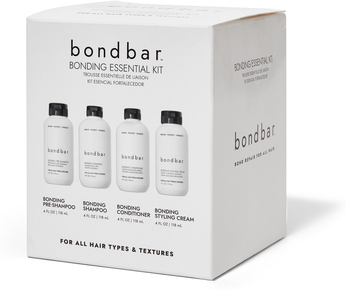
Bondbar Bonding Essential Kitbondbar Bonding Essentials Kit comes with everything you need to kickstart your healthy hair care routine. It includes bondbar Bonding Pre-Shampoo, bondbar Bonding Shampoo, bondbar Bonding Conditioner and bondbar Bonding Styling Cream. Hair is made...29,99 $*Shipping: 0,00 $Secure redirect to the provider
-
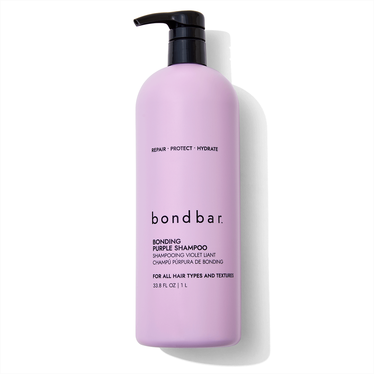
Bondbar Bonding Shampoo 33.8 oz 33.8 Fl Ozbondbar Bonding Shampoo gently cleanses, protects, repairs and hydrates all hair types and textures — making it the perfect addition to your wash-day routine. It also restores much-needed moisture, adds stunning shine and prevents frizz and flyaways...32,99 $*Shipping: 0,00 $Secure redirect to the provider
-
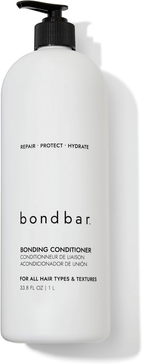
Bondbar Bonding Conditioner 33.8 oz 33.8 Fl Ozbondbar is a bond building repair system that helps to protect, strengthen and hydrate hair.A moisturizing and reparative Conditioner that leaves hair shiny and feeling healthier.When used as part of the Bondbar system, reduces breakage during...32,99 $*Shipping: 0,00 $Secure redirect to the provider

-
What are examples of ionic bonding, covalent bonding, and metallic bonding?
Ionic bonding occurs when one atom transfers electrons to another, resulting in the formation of positively and negatively charged ions that are attracted to each other. An example of ionic bonding is the bond between sodium and chlorine in sodium chloride (table salt). Covalent bonding occurs when atoms share electrons to achieve a full outer shell. An example of covalent bonding is the bond between two hydrogen atoms in a molecule of hydrogen gas (H2). Metallic bonding occurs in metals, where the outer electrons of the atoms are delocalized and free to move throughout the structure, creating a "sea" of electrons that hold the metal atoms together. An example of metallic bonding is the bond between atoms in a piece of copper metal. **
-
How does rabbit bonding work?
Rabbit bonding is the process of introducing two rabbits to each other in a controlled environment to help them form a bond and eventually live together harmoniously. This process involves gradual introductions in neutral territory, supervised interactions to ensure they are getting along, and providing them with plenty of space, resources, and enrichment to help strengthen their bond. It is important to be patient and allow the rabbits to establish their own hierarchy and relationship dynamics. With time and proper bonding techniques, most rabbits can form strong bonds with each other. **
-
What career opportunities are there in the field of dairy technology?
In the field of dairy technology, there are various career opportunities available. Some of the potential career paths include dairy processing technician, quality control manager, food safety specialist, research and development scientist, dairy product development manager, and dairy plant manager. These roles involve tasks such as ensuring the quality and safety of dairy products, developing new dairy products, managing dairy processing operations, and conducting research to improve dairy technology. Additionally, there are opportunities for entrepreneurship in the dairy industry, such as starting a dairy processing business or consulting firm. Overall, the field of dairy technology offers a wide range of career options for individuals interested in working with dairy products and processes. **
-
What is the difference between ionic bonding, covalent bonding, and metallic bonding?
Ionic bonding involves the transfer of electrons from one atom to another, resulting in the formation of positively and negatively charged ions that are held together by electrostatic forces. Covalent bonding involves the sharing of electrons between atoms to achieve a stable electron configuration. Metallic bonding occurs in metals, where electrons are delocalized and free to move throughout the material, creating a "sea of electrons" that hold the metal atoms together. Each type of bonding results in different properties and behaviors of the substances involved. **


Who is familiar with chemistry in ionic bonding, metallic bonding, and molecular bonding?
Individuals who have studied chemistry at a high school or college level are likely to be familiar with ionic bonding, metallic bonding, and molecular bonding. This includes students, teachers, and professionals in the fields of chemistry, chemical engineering, and materials science. Additionally, those who have a general interest in science and have taken courses or done independent study in chemistry may also have knowledge of these types of chemical bonding. **
Why isn't the lightener working?
The lightener may not be working for a few reasons. It could be that the developer used is not strong enough for the desired level of lift, or the hair may have build-up from previous products that is inhibiting the lightener's effectiveness. Additionally, the lightener may have been left on for too short a time or applied unevenly, leading to inconsistent results. It's important to assess these factors and make adjustments to achieve the desired lightening effect. **
Top-Angebote
Products related to Bondbar-Bonding-Technology-Lightener:
-
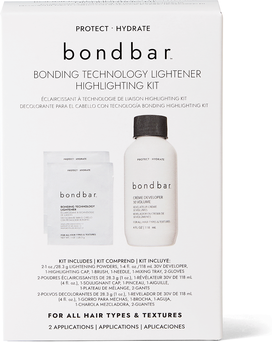
Bondbar Bonding Technology Lightener Highlighting Kit eachbondbar Bonding Technology Lightener Highlighting Kit provides the current bondbar Bonding Technology Lightener and 30v Creme Developer, designed to protect and hydrate hair bonds during the lightening process. Compared to traditional lighteners,...22,89 $*Shipping: 0,00 $Secure redirect to the provider
-
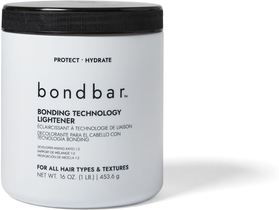
Bondbar Bonding Technology Lightener Tub 16 oz 16 Ozbondbar Bonding Technology Lightener is an innovative formula designed to protect and hydrate hair bonds during the lightening process. Compared to traditional lighteners, this on- and off-scalp powder formula reduces the potential for damage and...25,49 $*Shipping: 0,00 $Secure redirect to the provider
-
Bondbar Bonding Essential Kitbondbar Bonding Essentials Kit comes with everything you need to kickstart your healthy hair care routine. It includes bondbar Bonding Pre-Shampoo, bondbar Bonding Shampoo, bondbar Bonding Conditioner and bondbar Bonding Styling Cream. Hair is made...29,99 $*Shipping: 0,00 $Secure redirect to the provider
-
What distinguishes all types of bonding: ionic bonding, metallic bonding, and covalent bonding?
Ionic bonding involves the transfer of electrons from one atom to another, resulting in the formation of positively and negatively charged ions that are attracted to each other. Metallic bonding involves the sharing of electrons among a sea of delocalized electrons, creating a "sea of electrons" that holds the metal atoms together. Covalent bonding involves the sharing of electrons between atoms, resulting in the formation of molecules. Despite their differences, all types of bonding involve the interaction of electrons between atoms to form stable chemical compounds. **
-
What distinguishes all types of chemical bonding: ionic bonding, metallic bonding, and covalent bonding?
The main distinction among the three types of chemical bonding lies in the way atoms are held together. In ionic bonding, atoms transfer electrons to achieve a stable electron configuration. Metallic bonding involves a sea of delocalized electrons shared among a lattice of metal atoms. Covalent bonding, on the other hand, involves the sharing of electrons between atoms to achieve a stable electron configuration. Each type of bonding results in different properties and behaviors of the substances formed. **
-
What are examples of ionic bonding, covalent bonding, and metallic bonding?
Ionic bonding occurs when one atom transfers electrons to another, resulting in the formation of positively and negatively charged ions that are attracted to each other. An example of ionic bonding is the bond between sodium and chlorine in sodium chloride (table salt). Covalent bonding occurs when atoms share electrons to achieve a full outer shell. An example of covalent bonding is the bond between two hydrogen atoms in a molecule of hydrogen gas (H2). Metallic bonding occurs in metals, where the outer electrons of the atoms are delocalized and free to move throughout the structure, creating a "sea" of electrons that hold the metal atoms together. An example of metallic bonding is the bond between atoms in a piece of copper metal. **
-
How does rabbit bonding work?
Rabbit bonding is the process of introducing two rabbits to each other in a controlled environment to help them form a bond and eventually live together harmoniously. This process involves gradual introductions in neutral territory, supervised interactions to ensure they are getting along, and providing them with plenty of space, resources, and enrichment to help strengthen their bond. It is important to be patient and allow the rabbits to establish their own hierarchy and relationship dynamics. With time and proper bonding techniques, most rabbits can form strong bonds with each other. **
Similar search terms for Bondbar-Bonding-Technology-Lightener
-
Bondbar Bonding Shampoo 33.8 oz 33.8 Fl Ozbondbar Bonding Shampoo gently cleanses, protects, repairs and hydrates all hair types and textures — making it the perfect addition to your wash-day routine. It also restores much-needed moisture, adds stunning shine and prevents frizz and flyaways...32,99 $*Shipping: 0,00 $Secure redirect to the provider
-
Bondbar Bonding Conditioner 33.8 oz 33.8 Fl Ozbondbar is a bond building repair system that helps to protect, strengthen and hydrate hair.A moisturizing and reparative Conditioner that leaves hair shiny and feeling healthier.When used as part of the Bondbar system, reduces breakage during...32,99 $*Shipping: 0,00 $Secure redirect to the provider
-
Wella Powder Lightener Tub 1 lbWella Color Charm Powder Lightener offers controlled, reliable lightening action. Protecting oil system helps to lock in moisture. Great for all on- and off-the-scalp application techniques and provides up to 7 Levels of Lift. Excellent for...26,49 $*Shipping: 0,00 $Secure redirect to the provider
-
AGEbeautiful Ultra Bond Powder Lightener 6 oz.AGEbeautiful's new powder lightener+ has built-in bonding for stronger*, shinier and more youthful-looking hair. Helps protect the hair fiber for minimized breakage*. Contains Bond-Building Arginine, Lysine and Keratin to beautifully maintain the...20,99 $*Shipping: 0,00 $Secure redirect to the provider
-
What career opportunities are there in the field of dairy technology?
In the field of dairy technology, there are various career opportunities available. Some of the potential career paths include dairy processing technician, quality control manager, food safety specialist, research and development scientist, dairy product development manager, and dairy plant manager. These roles involve tasks such as ensuring the quality and safety of dairy products, developing new dairy products, managing dairy processing operations, and conducting research to improve dairy technology. Additionally, there are opportunities for entrepreneurship in the dairy industry, such as starting a dairy processing business or consulting firm. Overall, the field of dairy technology offers a wide range of career options for individuals interested in working with dairy products and processes. **
-
What is the difference between ionic bonding, covalent bonding, and metallic bonding?
Ionic bonding involves the transfer of electrons from one atom to another, resulting in the formation of positively and negatively charged ions that are held together by electrostatic forces. Covalent bonding involves the sharing of electrons between atoms to achieve a stable electron configuration. Metallic bonding occurs in metals, where electrons are delocalized and free to move throughout the material, creating a "sea of electrons" that hold the metal atoms together. Each type of bonding results in different properties and behaviors of the substances involved. **
-
Who is familiar with chemistry in ionic bonding, metallic bonding, and molecular bonding?
Individuals who have studied chemistry at a high school or college level are likely to be familiar with ionic bonding, metallic bonding, and molecular bonding. This includes students, teachers, and professionals in the fields of chemistry, chemical engineering, and materials science. Additionally, those who have a general interest in science and have taken courses or done independent study in chemistry may also have knowledge of these types of chemical bonding. **
-
Why isn't the lightener working?
The lightener may not be working for a few reasons. It could be that the developer used is not strong enough for the desired level of lift, or the hair may have build-up from previous products that is inhibiting the lightener's effectiveness. Additionally, the lightener may have been left on for too short a time or applied unevenly, leading to inconsistent results. It's important to assess these factors and make adjustments to achieve the desired lightening effect. **
* All prices are inclusive of VAT and, if applicable, plus shipping costs. The offer information is based on the details provided by the respective shop and is updated through automated processes. Real-time updates do not occur, so deviations can occur in individual cases. ** Note: Parts of this content were created by AI.