Buy jobclick.eu ?
We are moving the project
jobclick.eu .
Are you interested in purchasing the domain
jobclick.eu ?
domain@kv-gmbh.de · 0541-91531010
Buy jobclick.eu ?
What is Kant's categorical imperative?
Kant's categorical imperative is a moral principle that states that one should act only according to rules that they would be willing to see universally followed. In other words, it is a command that applies to all rational beings, regardless of their personal desires or circumstances. Kant believed that this principle provides a basis for determining what is morally right or wrong, as it focuses on the intention behind an action rather than the consequences. Ultimately, the categorical imperative serves as a guide for individuals to act in a way that respects the inherent dignity and autonomy of all individuals. **
Is the categorical imperative rigorous?
Yes, the categorical imperative is considered to be rigorous because it provides a clear and universal moral principle that applies to all rational beings. It demands that individuals act according to principles that could be willed as universal laws, and it requires individuals to treat others as ends in themselves, rather than as means to an end. This rigorous framework helps to guide moral decision-making and promote ethical behavior. **

Similar search terms for Categorical
Top-Angebote
Products related to Categorical:
-
Inspired Deals Battery Compatible Portable LED Work Light, 6000LM High Output 18V 20V Job Site Lighting Yellow Battery Compatible Portable LED Work Light, 6000LM High Output 18V 20V Job Site Lighting YellowStep out of the shadows and light up every task with our rugged portable cordless LED work light that transforms how you work and play. Designed for professionals, DIYers, and outdoor adventurers alike, this light delivers up to 6000LM of bright...59,97 $*Shipping: 0,00 $Secure redirect to the provider

-
What is Immanuel Kant's categorical imperative?
Immanuel Kant's categorical imperative is a moral principle that states that one should act in a way that they would want everyone else to act in similar circumstances. It emphasizes the importance of universalizing one's actions and treating others as ends in themselves, rather than as a means to an end. Kant believed that this principle provides a basis for determining what is morally right or wrong, and that it is a fundamental aspect of moral reasoning. **
-
What exactly is a categorical imperative?
A categorical imperative is a moral principle that is unconditional and applies to all rational beings, regardless of their desires or circumstances. It is a command that is derived from reason and applies to all moral agents universally. In other words, it is a rule that one must follow simply because it is the right thing to do, without any consideration of personal gain or consequences. This concept was developed by the philosopher Immanuel Kant as a way to establish a foundation for moral duties and obligations. **
-
Is the categorical imperative still relevant today?
Yes, the categorical imperative, as proposed by Immanuel Kant, is still relevant today. Its fundamental principle of treating others as ends in themselves rather than as means to an end is a timeless ethical concept that can guide moral decision-making in various contexts. In a world where ethical dilemmas and moral ambiguity are prevalent, the categorical imperative provides a clear and universal framework for determining right from wrong. Its emphasis on rationality and consistency in moral reasoning remains valuable in contemporary society. **
-
What is the categorical imperative regarding suicide?
The categorical imperative regarding suicide is that one should never treat themselves merely as a means to an end, but always as an end in themselves. This means that individuals should not take their own lives as a means to escape suffering or difficulties, but should instead consider their intrinsic value and worth as a human being. Suicide is seen as a violation of this principle because it involves treating oneself as a mere means to end one's suffering, rather than recognizing one's inherent dignity and worth. **
What are examples of Kant's categorical imperative?
Examples of Kant's categorical imperative include: always telling the truth, treating others with respect and dignity, helping those in need, and respecting the autonomy and rights of individuals. These principles are considered universal moral duties that apply to all people in all situations, regardless of personal desires or circumstances. Kant believed that following these moral principles would lead to a more just and ethical society. **
What are examples of the categorical imperative?
One example of the categorical imperative is the principle of honesty. According to Kant, we have a moral duty to always tell the truth, regardless of the circumstances, because lying would be a violation of the universal moral law. Another example is the principle of respecting the autonomy of others. This means that we should always treat others as ends in themselves, rather than as a means to an end, and respect their freedom to make their own choices. Overall, the categorical imperative provides a framework for determining what actions are morally right or wrong based on their universalizability and respect for human dignity. **
Top-Angebote
Products related to Categorical:
-
All Categories Goods LED Temporary Work Light Linkable Construction Job Site Lamp LED Temporary Work Light Linkable Construction Job Site LampLight up demanding spaces with a LED temporary work light built to keep every task clear, safe, and visible. This 60W hanging lamp is made for contractors, remodelers, workshop owners, and anyone who needs dependable temporary illumination. With...132,97 $*Shipping: 0,00 $Secure redirect to the provider
-
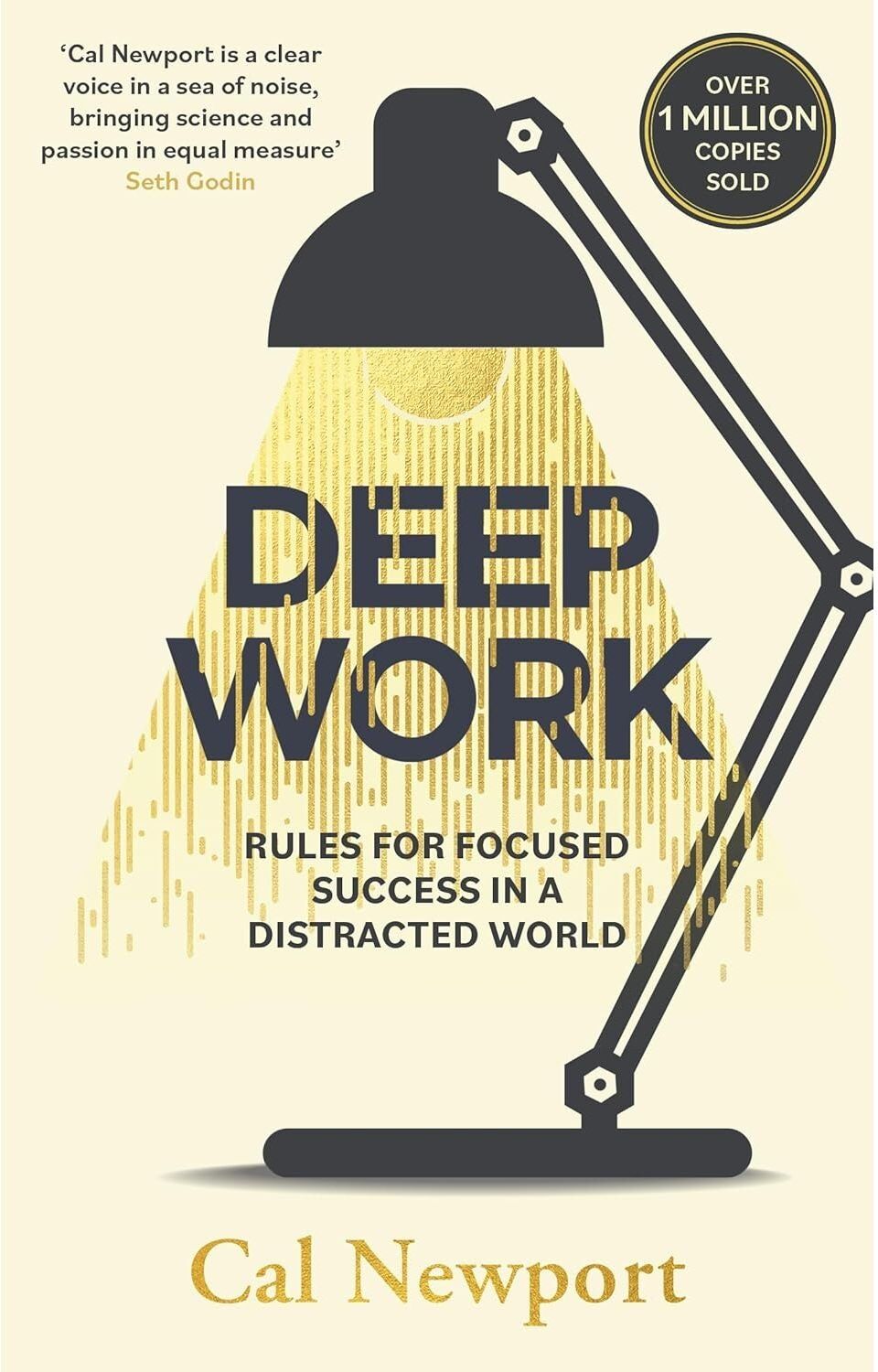
Piatkus Deep Work – Rules for Focused Success in a Distracted World by Cal Newport Productivity, Focus & Career Success BookIn a world full of distractions, the ability to focus deeply is becoming increasingly rare—and increasingly valuable. In Deep Work: Rules for Focused Success in a Distracted World, bestselling author and productivity expert Cal Newport explains why deep, concentrated work is the key to mastering complex skills, producing high-quality results, and standing out in your career. Drawing on neuroscience, psychology, and real-world examples, Newport shows how to eliminate distractions, train your focus, and work with intense concentration. The book combines compelling theory with practical strategies, helping readers build habits that support sustained attention and meaningful productivity in both professional and personal life. What You’ll Learn: Why deep work is essential for success in the modern economy How shallow work undermines productivity and focus Practical rules for building deep work habits Techniques to minimize distractions and digital overload How to produce better results in less time Perfect for professionals, students, creatives, and entrepreneurs, Deep Work is a must-read guide to achieving focus, efficiency, and long-term career success.7,99 £*Shipping: 2,99 £Secure redirect to the provider
-
Inspired Deals Battery Compatible Portable LED Work Light, 6000LM High Output 18V 20V Job Site Lighting Yellow Battery Compatible Portable LED Work Light, 6000LM High Output 18V 20V Job Site Lighting YellowStep out of the shadows and light up every task with our rugged portable cordless LED work light that transforms how you work and play. Designed for professionals, DIYers, and outdoor adventurers alike, this light delivers up to 6000LM of bright...59,97 $*Shipping: 0,00 $Secure redirect to the provider
-
What is Kant's categorical imperative?
Kant's categorical imperative is a moral principle that states that one should act only according to rules that they would be willing to see universally followed. In other words, it is a command that applies to all rational beings, regardless of their personal desires or circumstances. Kant believed that this principle provides a basis for determining what is morally right or wrong, as it focuses on the intention behind an action rather than the consequences. Ultimately, the categorical imperative serves as a guide for individuals to act in a way that respects the inherent dignity and autonomy of all individuals. **
-
Is the categorical imperative rigorous?
Yes, the categorical imperative is considered to be rigorous because it provides a clear and universal moral principle that applies to all rational beings. It demands that individuals act according to principles that could be willed as universal laws, and it requires individuals to treat others as ends in themselves, rather than as means to an end. This rigorous framework helps to guide moral decision-making and promote ethical behavior. **
-
What is Immanuel Kant's categorical imperative?
Immanuel Kant's categorical imperative is a moral principle that states that one should act in a way that they would want everyone else to act in similar circumstances. It emphasizes the importance of universalizing one's actions and treating others as ends in themselves, rather than as a means to an end. Kant believed that this principle provides a basis for determining what is morally right or wrong, and that it is a fundamental aspect of moral reasoning. **
-
What exactly is a categorical imperative?
A categorical imperative is a moral principle that is unconditional and applies to all rational beings, regardless of their desires or circumstances. It is a command that is derived from reason and applies to all moral agents universally. In other words, it is a rule that one must follow simply because it is the right thing to do, without any consideration of personal gain or consequences. This concept was developed by the philosopher Immanuel Kant as a way to establish a foundation for moral duties and obligations. **
Similar search terms for Categorical
-
Is the categorical imperative still relevant today?
Yes, the categorical imperative, as proposed by Immanuel Kant, is still relevant today. Its fundamental principle of treating others as ends in themselves rather than as means to an end is a timeless ethical concept that can guide moral decision-making in various contexts. In a world where ethical dilemmas and moral ambiguity are prevalent, the categorical imperative provides a clear and universal framework for determining right from wrong. Its emphasis on rationality and consistency in moral reasoning remains valuable in contemporary society. **
-
What is the categorical imperative regarding suicide?
The categorical imperative regarding suicide is that one should never treat themselves merely as a means to an end, but always as an end in themselves. This means that individuals should not take their own lives as a means to escape suffering or difficulties, but should instead consider their intrinsic value and worth as a human being. Suicide is seen as a violation of this principle because it involves treating oneself as a mere means to end one's suffering, rather than recognizing one's inherent dignity and worth. **
-
What are examples of Kant's categorical imperative?
Examples of Kant's categorical imperative include: always telling the truth, treating others with respect and dignity, helping those in need, and respecting the autonomy and rights of individuals. These principles are considered universal moral duties that apply to all people in all situations, regardless of personal desires or circumstances. Kant believed that following these moral principles would lead to a more just and ethical society. **
-
What are examples of the categorical imperative?
One example of the categorical imperative is the principle of honesty. According to Kant, we have a moral duty to always tell the truth, regardless of the circumstances, because lying would be a violation of the universal moral law. Another example is the principle of respecting the autonomy of others. This means that we should always treat others as ends in themselves, rather than as a means to an end, and respect their freedom to make their own choices. Overall, the categorical imperative provides a framework for determining what actions are morally right or wrong based on their universalizability and respect for human dignity. **
* All prices are inclusive of VAT and, if applicable, plus shipping costs. The offer information is based on the details provided by the respective shop and is updated through automated processes. Real-time updates do not occur, so deviations can occur in individual cases. ** Note: Parts of this content were created by AI.