Buy jobclick.eu ?
We are moving the project
jobclick.eu .
Are you interested in purchasing the domain
jobclick.eu ?
domain@kv-gmbh.de · 0541-91531010
Buy jobclick.eu ?
How does the conduction of excitation work in vertebrates and invertebrates?
In vertebrates, excitation is conducted through the nervous system, which consists of neurons that transmit electrical signals. When a stimulus is detected, such as touch or sound, sensory neurons transmit the signal to the central nervous system, where it is processed and a response is generated. This response is then transmitted through motor neurons to the appropriate muscles or glands. In invertebrates, excitation is also conducted through the nervous system, but their nervous system is less centralized than in vertebrates. Invertebrates have a network of neurons that transmit signals throughout the body, allowing for rapid responses to stimuli. Some invertebrates, such as insects, also have specialized sensory organs that detect specific stimuli and transmit signals to the nervous system for processing and response. **
How are the nerve cells structured in invertebrates?
In invertebrates, nerve cells are organized into a network called a nerve net. This nerve net consists of interconnected neurons that are spread throughout the body. These neurons are typically simpler in structure compared to the more specialized nerve cells found in vertebrates. The nerve net allows for rapid communication and coordination of responses to stimuli in invertebrates. **
Similar search terms for Invertebrates
Top-Angebote
Products related to Invertebrates:
-
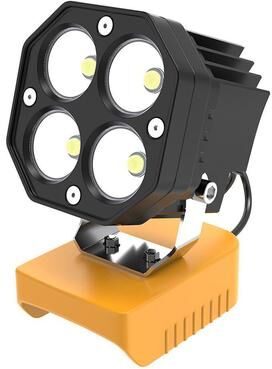
Inspired Deals Battery Compatible Portable LED Work Light, 6000LM High Output 18V 20V Job Site Lighting Yellow Battery Compatible Portable LED Work Light, 6000LM High Output 18V 20V Job Site Lighting YellowStep out of the shadows and light up every task with our rugged portable cordless LED work light that transforms how you work and play. Designed for professionals, DIYers, and outdoor adventurers alike, this light delivers up to 6000LM of bright...59,97 $*Shipping: 0,00 $Secure redirect to the provider
-
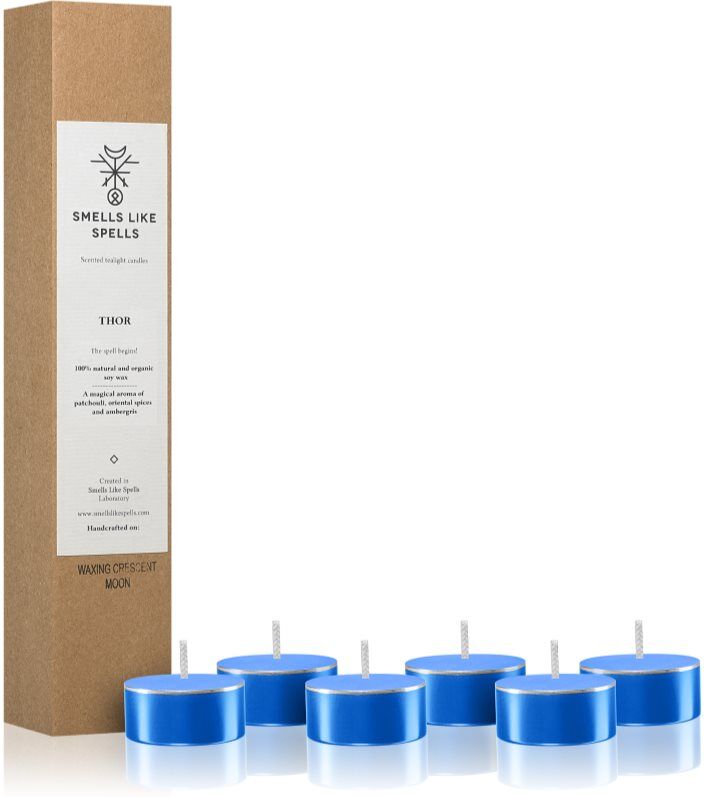
Smells Like Spells Norse Magic Thor tealight candle (concentration/career) 6 pcSmells Like Spells Norse Magic Thor, 6 pc, Scented Candles Home Scents, The Smells Like Spells Norse Magic Thor tealight creates an atmosphere for every romantic dinner or regular evening. A candle placed in a candlestick becomes a home accessory and gives your smaller rooms a pleasant scent. A combination of several fragrances allows you to create a fragrant experience to your liking. Characteristics: a woody fragrance a spicy aroma How to use: Place the candle on a heat-resistant surface. Do not leave to burn for more than four hours. Never let the candle burn to the end. Never leave a burning candle unattended or close to easily flammable objects. Keep out of the reach of children and pets.8,00 £*Shipping: 3,99 £Secure redirect to the provider
-
Smells Like Spells Norse Magic Thor incense sticks (concentration/career) 50 gSmells Like Spells Norse Magic Thor, 50 g, Incense Sticks Home Scents, Smells Like Spells Norse Magic Thor incense sticks are suitable for scenting spaces and creating a pleasant atmosphere. They help prevent stress, have a positive effect on the human psyche, calm the mind and are also a disinfectant. Characteristics: a herbal aroma vegan product an oriental aroma Ingredients: 100% natural ingredients non-toxic formula How to use: Follow the instructions included. Light the end of the incense stick and blow out the flame. Place the stick in a holder. Make sure there is no draught in the room. Place the holder on a hard surface so that it does not fall over. Do not leave the product within the reach of children or pets.5,60 £*Shipping: 3,99 £Secure redirect to the provider
-
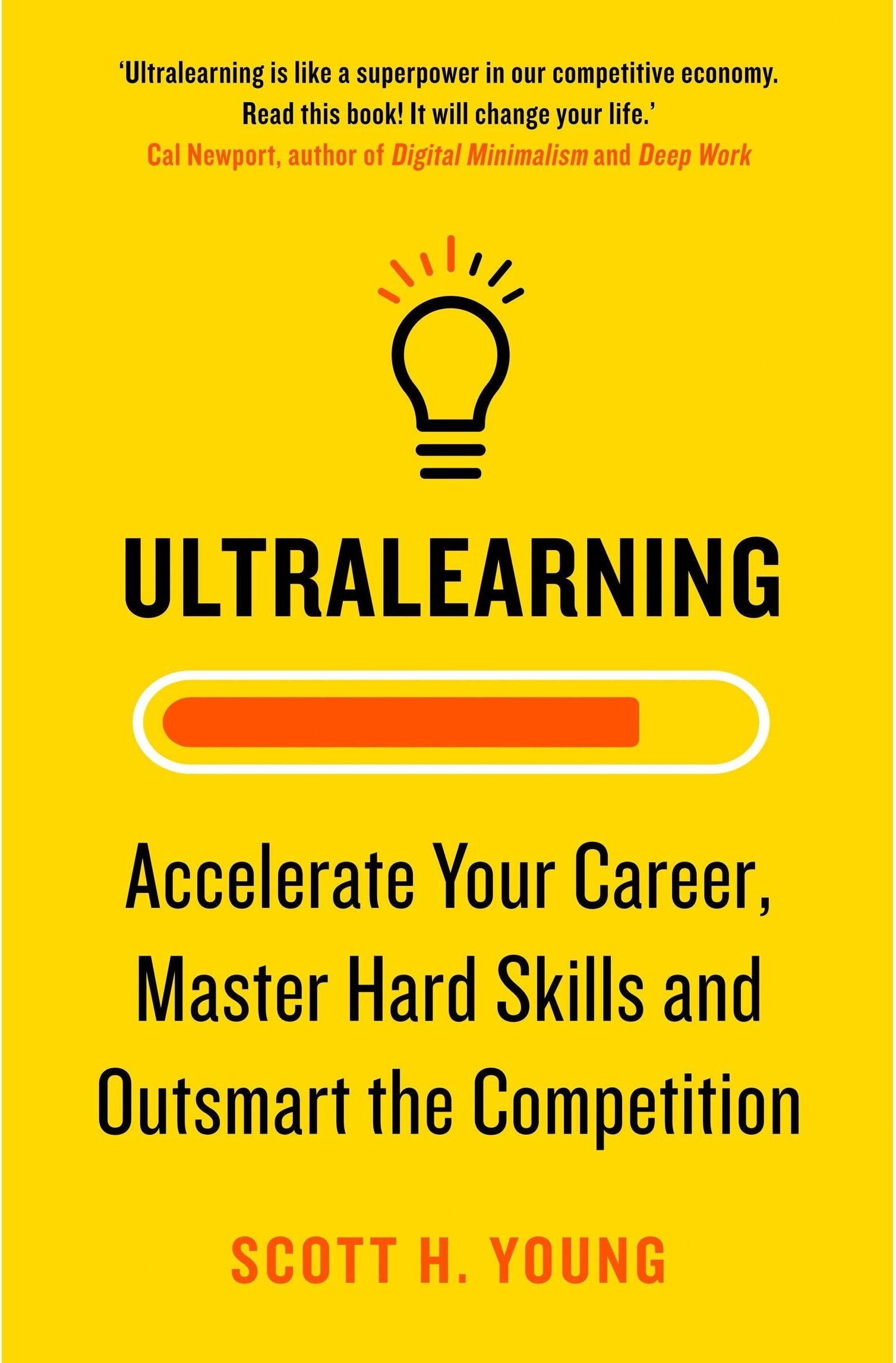
Thorsons Ultralearning: Accelerate Your Career, Master Hard Skills and Outsmart the CompetitionFuture-proof your career and maximize your competitive advantage by learning the skill necessary to stay relevant, reinvent yourself, and adapt to whatever the workplace throws your way in this essential guide. Faced with tumultuous economic times and rapid technological change, staying ahead in your career depends on continual learning―a lifelong mastery of new ideas, subjects, and skills. If you want to accomplish more and stand apart from everyone else, you need to become an ultralearner. Scott Young incorporates the latest research about the most effective learning methods and the stories of other ultralearners like himself―among them Ben Franklin, Judit Polgar, and Richard Feynman, as well as a host of others, such as little-known modern polymaths like Nigel Richards who won the World Championship of French Scrabble―without knowing French. Young documents the methods he and others have used and shows that, far from being an obscure skill limited to aggressive autodidacts, ultralearning is a powerful tool anyone can use to improve their career, studies, and life. Ultralearning explores this fascinating subculture, shares the nine principles behind every successful ultralearning project, and offers insights into how you can organize and execute a plan to learn anything deeply and quickly, without teachers or budget-busting tuition costs. Whether the goal is to be fluent in a language (or ten languages), earn the equivalent of a college degree in a fraction of the time, or master multiple skills to build a product or business from the ground up, the principles in Ultralearning will guide you to success.8,99 £*Shipping: 2,99 £Secure redirect to the provider

-
What is the difference between vertebrates and invertebrates?
The main difference between vertebrates and invertebrates is the presence of a backbone. Vertebrates have a backbone made of vertebrae that protects the spinal cord, while invertebrates do not have a backbone. Vertebrates include animals such as mammals, birds, reptiles, amphibians, and fish, while invertebrates include animals such as insects, spiders, worms, and mollusks. Additionally, vertebrates tend to have more complex body systems and are generally larger in size compared to invertebrates. **
-
Into which seven groups can invertebrates be divided?
Invertebrates can be divided into seven groups: Porifera (sponges), Cnidaria (jellyfish, corals), Platyhelminthes (flatworms), Nematoda (roundworms), Annelida (segmented worms), Mollusca (snails, clams, octopuses), and Arthropoda (insects, spiders, crustaceans). Each group has its own unique characteristics and includes a wide variety of species with diverse adaptations for survival. **
-
What are the characteristics of vertebrates, invertebrates, and insects?
Vertebrates are animals with a backbone or spinal column, including mammals, birds, reptiles, amphibians, and fish. They typically have a well-developed internal skeleton and a complex nervous system. Invertebrates, on the other hand, are animals without a backbone, such as insects, arachnids, mollusks, and crustaceans. They often have exoskeletons for support and protection. Insects are a specific type of invertebrate characterized by having six legs, three body segments (head, thorax, and abdomen), and often wings. They are the most diverse group of animals on Earth, with over a million described species. **
-
Why are there mainly electrical synapses in fish and invertebrates?
Electrical synapses are more common in fish and invertebrates because they allow for faster and more direct communication between neurons. This is important in these organisms for rapid responses to environmental stimuli and for coordinating movements. Additionally, electrical synapses are more energy-efficient compared to chemical synapses, which is advantageous for organisms with simpler nervous systems. Overall, the prevalence of electrical synapses in fish and invertebrates reflects their need for efficient and rapid neural communication in their environments. **

What is the difference between the axons of vertebrates and invertebrates?
The main difference between the axons of vertebrates and invertebrates lies in their myelination. In vertebrates, axons are often myelinated, which means they are surrounded by a fatty substance that speeds up the transmission of electrical signals. In contrast, invertebrate axons are typically unmyelinated, which can result in slower signal transmission. Additionally, vertebrate axons tend to be larger in diameter compared to invertebrate axons, allowing for faster conduction of nerve impulses. **
What ideas are there for a presentation on invertebrates in the subject of Biology?
A presentation on invertebrates in Biology could cover various topics such as the classification of invertebrates, their diversity and adaptations, their ecological roles in different ecosystems, and their importance in various fields like medicine and agriculture. The presentation could also focus on specific groups of invertebrates such as insects, mollusks, or arachnids, highlighting their unique characteristics and life cycles. Additionally, discussing current research on invertebrates, their conservation status, and the threats they face due to human activities could also be included in the presentation. **
Top-Angebote
Products related to Invertebrates:
-
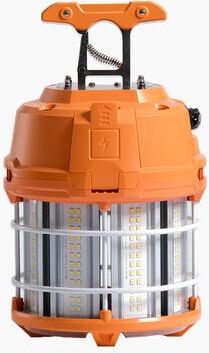
All Categories Goods LED Temporary Work Light Linkable Construction Job Site Lamp LED Temporary Work Light Linkable Construction Job Site LampLight up demanding spaces with a LED temporary work light built to keep every task clear, safe, and visible. This 60W hanging lamp is made for contractors, remodelers, workshop owners, and anyone who needs dependable temporary illumination. With...132,97 $*Shipping: 0,00 $Secure redirect to the provider
-
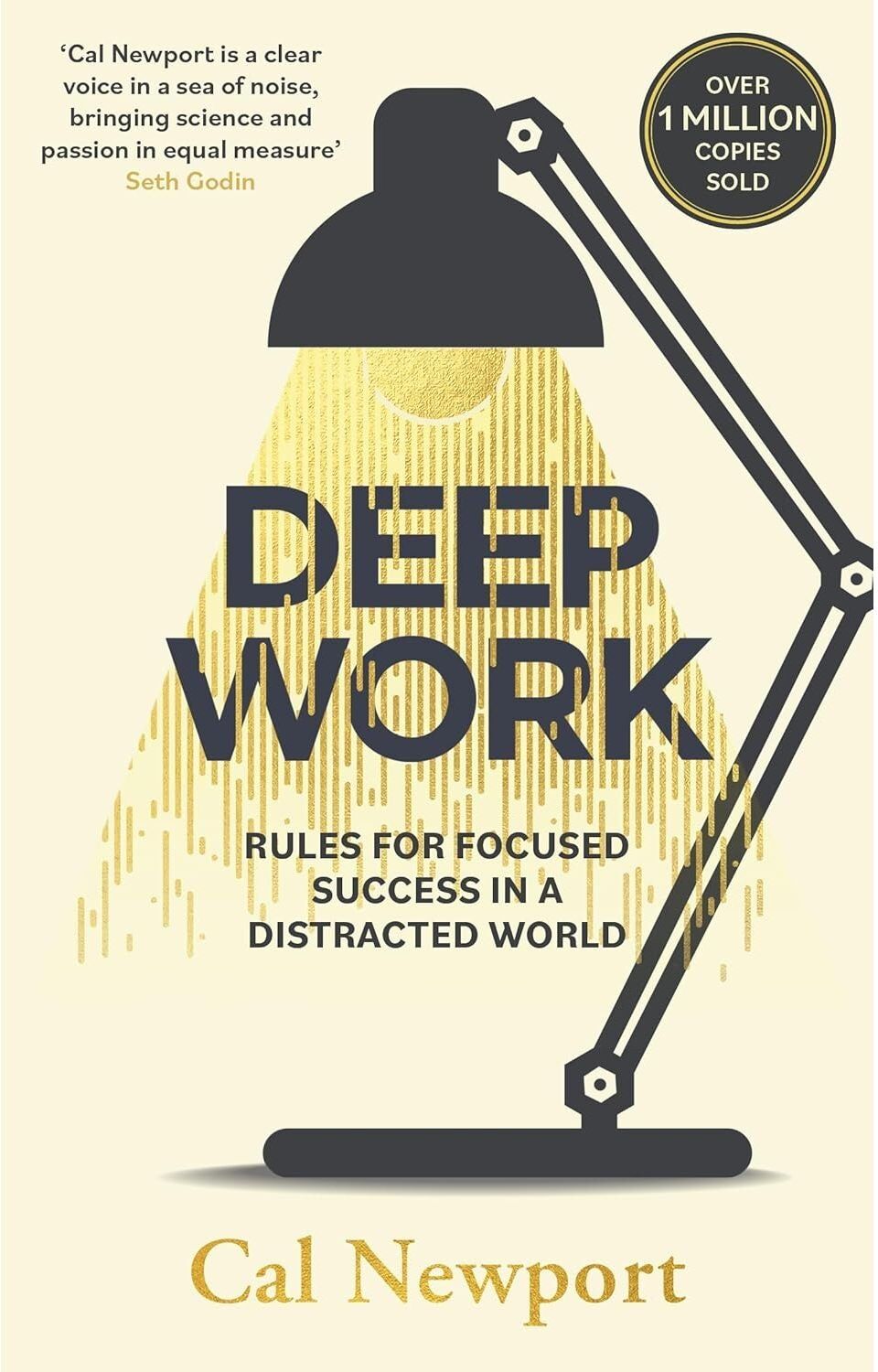
Piatkus Deep Work – Rules for Focused Success in a Distracted World by Cal Newport Productivity, Focus & Career Success BookIn a world full of distractions, the ability to focus deeply is becoming increasingly rare—and increasingly valuable. In Deep Work: Rules for Focused Success in a Distracted World, bestselling author and productivity expert Cal Newport explains why deep, concentrated work is the key to mastering complex skills, producing high-quality results, and standing out in your career. Drawing on neuroscience, psychology, and real-world examples, Newport shows how to eliminate distractions, train your focus, and work with intense concentration. The book combines compelling theory with practical strategies, helping readers build habits that support sustained attention and meaningful productivity in both professional and personal life. What You’ll Learn: Why deep work is essential for success in the modern economy How shallow work undermines productivity and focus Practical rules for building deep work habits Techniques to minimize distractions and digital overload How to produce better results in less time Perfect for professionals, students, creatives, and entrepreneurs, Deep Work is a must-read guide to achieving focus, efficiency, and long-term career success.7,99 £*Shipping: 2,99 £Secure redirect to the provider
-
Inspired Deals Battery Compatible Portable LED Work Light, 6000LM High Output 18V 20V Job Site Lighting Yellow Battery Compatible Portable LED Work Light, 6000LM High Output 18V 20V Job Site Lighting YellowStep out of the shadows and light up every task with our rugged portable cordless LED work light that transforms how you work and play. Designed for professionals, DIYers, and outdoor adventurers alike, this light delivers up to 6000LM of bright...59,97 $*Shipping: 0,00 $Secure redirect to the provider
-
Smells Like Spells Norse Magic Thor tealight candle (concentration/career) 6 pcSmells Like Spells Norse Magic Thor, 6 pc, Scented Candles Home Scents, The Smells Like Spells Norse Magic Thor tealight creates an atmosphere for every romantic dinner or regular evening. A candle placed in a candlestick becomes a home accessory and gives your smaller rooms a pleasant scent. A combination of several fragrances allows you to create a fragrant experience to your liking. Characteristics: a woody fragrance a spicy aroma How to use: Place the candle on a heat-resistant surface. Do not leave to burn for more than four hours. Never let the candle burn to the end. Never leave a burning candle unattended or close to easily flammable objects. Keep out of the reach of children and pets.8,00 £*Shipping: 3,99 £Secure redirect to the provider
-
How does the conduction of excitation work in vertebrates and invertebrates?
In vertebrates, excitation is conducted through the nervous system, which consists of neurons that transmit electrical signals. When a stimulus is detected, such as touch or sound, sensory neurons transmit the signal to the central nervous system, where it is processed and a response is generated. This response is then transmitted through motor neurons to the appropriate muscles or glands. In invertebrates, excitation is also conducted through the nervous system, but their nervous system is less centralized than in vertebrates. Invertebrates have a network of neurons that transmit signals throughout the body, allowing for rapid responses to stimuli. Some invertebrates, such as insects, also have specialized sensory organs that detect specific stimuli and transmit signals to the nervous system for processing and response. **
-
How are the nerve cells structured in invertebrates?
In invertebrates, nerve cells are organized into a network called a nerve net. This nerve net consists of interconnected neurons that are spread throughout the body. These neurons are typically simpler in structure compared to the more specialized nerve cells found in vertebrates. The nerve net allows for rapid communication and coordination of responses to stimuli in invertebrates. **
-
What is the difference between vertebrates and invertebrates?
The main difference between vertebrates and invertebrates is the presence of a backbone. Vertebrates have a backbone made of vertebrae that protects the spinal cord, while invertebrates do not have a backbone. Vertebrates include animals such as mammals, birds, reptiles, amphibians, and fish, while invertebrates include animals such as insects, spiders, worms, and mollusks. Additionally, vertebrates tend to have more complex body systems and are generally larger in size compared to invertebrates. **
-
Into which seven groups can invertebrates be divided?
Invertebrates can be divided into seven groups: Porifera (sponges), Cnidaria (jellyfish, corals), Platyhelminthes (flatworms), Nematoda (roundworms), Annelida (segmented worms), Mollusca (snails, clams, octopuses), and Arthropoda (insects, spiders, crustaceans). Each group has its own unique characteristics and includes a wide variety of species with diverse adaptations for survival. **
Similar search terms for Invertebrates
-
Smells Like Spells Norse Magic Thor incense sticks (concentration/career) 50 gSmells Like Spells Norse Magic Thor, 50 g, Incense Sticks Home Scents, Smells Like Spells Norse Magic Thor incense sticks are suitable for scenting spaces and creating a pleasant atmosphere. They help prevent stress, have a positive effect on the human psyche, calm the mind and are also a disinfectant. Characteristics: a herbal aroma vegan product an oriental aroma Ingredients: 100% natural ingredients non-toxic formula How to use: Follow the instructions included. Light the end of the incense stick and blow out the flame. Place the stick in a holder. Make sure there is no draught in the room. Place the holder on a hard surface so that it does not fall over. Do not leave the product within the reach of children or pets.5,60 £*Shipping: 3,99 £Secure redirect to the provider
-
Thorsons Ultralearning: Accelerate Your Career, Master Hard Skills and Outsmart the CompetitionFuture-proof your career and maximize your competitive advantage by learning the skill necessary to stay relevant, reinvent yourself, and adapt to whatever the workplace throws your way in this essential guide. Faced with tumultuous economic times and rapid technological change, staying ahead in your career depends on continual learning―a lifelong mastery of new ideas, subjects, and skills. If you want to accomplish more and stand apart from everyone else, you need to become an ultralearner. Scott Young incorporates the latest research about the most effective learning methods and the stories of other ultralearners like himself―among them Ben Franklin, Judit Polgar, and Richard Feynman, as well as a host of others, such as little-known modern polymaths like Nigel Richards who won the World Championship of French Scrabble―without knowing French. Young documents the methods he and others have used and shows that, far from being an obscure skill limited to aggressive autodidacts, ultralearning is a powerful tool anyone can use to improve their career, studies, and life. Ultralearning explores this fascinating subculture, shares the nine principles behind every successful ultralearning project, and offers insights into how you can organize and execute a plan to learn anything deeply and quickly, without teachers or budget-busting tuition costs. Whether the goal is to be fluent in a language (or ten languages), earn the equivalent of a college degree in a fraction of the time, or master multiple skills to build a product or business from the ground up, the principles in Ultralearning will guide you to success.8,99 £*Shipping: 2,99 £Secure redirect to the provider
-
Scribe UK Find a Job - #ENTRYLEVELBOSS - a 9-step guide for finding a job you likeFind a Job - Banging your head against the wall with the job search? #ENTRYLEVELBOSS will help you stop freaking out. Miserable in your current role but no idea what to do next? With this book you'll be able to make a decision, no personality tests required. Convinced that you are the most unhireable person on this planet? That's statistically improbable - and you'll be amazed at how employable you'll be by the time you have finished reading. This is personal training for your career, based on a step-by-step plan that includes: All the intel you need about getting hired in today's world, in today's industries, and with today's tools. Hyper-specific advice including templates for networking emails, CVs, and cover letters. Straight-to-the-point guidance about what not to do. A solid dose of humour and emotional support from someone who really has been there. The world of work has changed, and getting hired today for a job you actually want is going to take a lot more than a neatly typed cover letter and a well-pressed suit. But along with all the challenges of the new economy come unprecedented opportunities, and careers expert Alexa Shoen is here to unlock them for you.4,99 £*Shipping: 1,99 £Secure redirect to the provider
-
Wrendale Designs 'Sleeping on the Job' ChalkboardThe Wrendale Designs Sleeping on the Job Chalkboard is perfect for jotting down lists, notes or meal plans. Its charming border collie and rabbit design adds a playful touch, making it ideal for the kitchen or any space in your home. Featuring an easy-to-hang rope hanger and a ledge to keep a piece of chalk handy, this chalkboard combines functionality with style. Dimensions: 50 x 25cm.19,80 £*Shipping: 3,50 £Secure redirect to the provider
-
What are the characteristics of vertebrates, invertebrates, and insects?
Vertebrates are animals with a backbone or spinal column, including mammals, birds, reptiles, amphibians, and fish. They typically have a well-developed internal skeleton and a complex nervous system. Invertebrates, on the other hand, are animals without a backbone, such as insects, arachnids, mollusks, and crustaceans. They often have exoskeletons for support and protection. Insects are a specific type of invertebrate characterized by having six legs, three body segments (head, thorax, and abdomen), and often wings. They are the most diverse group of animals on Earth, with over a million described species. **
-
Why are there mainly electrical synapses in fish and invertebrates?
Electrical synapses are more common in fish and invertebrates because they allow for faster and more direct communication between neurons. This is important in these organisms for rapid responses to environmental stimuli and for coordinating movements. Additionally, electrical synapses are more energy-efficient compared to chemical synapses, which is advantageous for organisms with simpler nervous systems. Overall, the prevalence of electrical synapses in fish and invertebrates reflects their need for efficient and rapid neural communication in their environments. **
-
What is the difference between the axons of vertebrates and invertebrates?
The main difference between the axons of vertebrates and invertebrates lies in their myelination. In vertebrates, axons are often myelinated, which means they are surrounded by a fatty substance that speeds up the transmission of electrical signals. In contrast, invertebrate axons are typically unmyelinated, which can result in slower signal transmission. Additionally, vertebrate axons tend to be larger in diameter compared to invertebrate axons, allowing for faster conduction of nerve impulses. **
-
What ideas are there for a presentation on invertebrates in the subject of Biology?
A presentation on invertebrates in Biology could cover various topics such as the classification of invertebrates, their diversity and adaptations, their ecological roles in different ecosystems, and their importance in various fields like medicine and agriculture. The presentation could also focus on specific groups of invertebrates such as insects, mollusks, or arachnids, highlighting their unique characteristics and life cycles. Additionally, discussing current research on invertebrates, their conservation status, and the threats they face due to human activities could also be included in the presentation. **
* All prices are inclusive of VAT and, if applicable, plus shipping costs. The offer information is based on the details provided by the respective shop and is updated through automated processes. Real-time updates do not occur, so deviations can occur in individual cases. ** Note: Parts of this content were created by AI.