Buy jobclick.eu ?
We are moving the project
jobclick.eu .
Are you interested in purchasing the domain
jobclick.eu ?
domain@kv-gmbh.de · 0541-91531010
Buy jobclick.eu ?
How do transistors work?
Transistors are semiconductor devices that can amplify or switch electronic signals. They consist of three layers of semiconductor material, with two layers forming a junction. By applying a small voltage to the junction, the transistor can control the flow of current between the other two layers. This allows transistors to act as amplifiers, increasing the strength of a weak signal, or as switches, turning a current on or off. Transistors are the building blocks of modern electronic devices, forming the basis of integrated circuits and enabling the development of computers, smartphones, and other electronic technologies. **
Where are transistors used?
Transistors are used in a wide range of electronic devices, including computers, smartphones, televisions, radios, and many other consumer electronics. They are also used in industrial applications such as control systems, power supplies, and amplifiers. Transistors play a crucial role in modern technology by acting as switches or amplifiers in electronic circuits. **
Similar search terms for Transistors
Top-Angebote
Products related to Transistors:
-
Inspired Deals Battery Compatible Portable LED Work Light, 6000LM High Output 18V 20V Job Site Lighting Yellow Battery Compatible Portable LED Work Light, 6000LM High Output 18V 20V Job Site Lighting YellowStep out of the shadows and light up every task with our rugged portable cordless LED work light that transforms how you work and play. Designed for professionals, DIYers, and outdoor adventurers alike, this light delivers up to 6000LM of bright...59,97 $*Shipping: 0,00 $Secure redirect to the provider
-
Thorsons Ultralearning: Accelerate Your Career, Master Hard Skills and Outsmart the CompetitionFuture-proof your career and maximize your competitive advantage by learning the skill necessary to stay relevant, reinvent yourself, and adapt to whatever the workplace throws your way in this essential guide. Faced with tumultuous economic times and rapid technological change, staying ahead in your career depends on continual learning―a lifelong mastery of new ideas, subjects, and skills. If you want to accomplish more and stand apart from everyone else, you need to become an ultralearner. Scott Young incorporates the latest research about the most effective learning methods and the stories of other ultralearners like himself―among them Ben Franklin, Judit Polgar, and Richard Feynman, as well as a host of others, such as little-known modern polymaths like Nigel Richards who won the World Championship of French Scrabble―without knowing French. Young documents the methods he and others have used and shows that, far from being an obscure skill limited to aggressive autodidacts, ultralearning is a powerful tool anyone can use to improve their career, studies, and life. Ultralearning explores this fascinating subculture, shares the nine principles behind every successful ultralearning project, and offers insights into how you can organize and execute a plan to learn anything deeply and quickly, without teachers or budget-busting tuition costs. Whether the goal is to be fluent in a language (or ten languages), earn the equivalent of a college degree in a fraction of the time, or master multiple skills to build a product or business from the ground up, the principles in Ultralearning will guide you to success.8,99 £*Shipping: 2,99 £Secure redirect to the provider
-
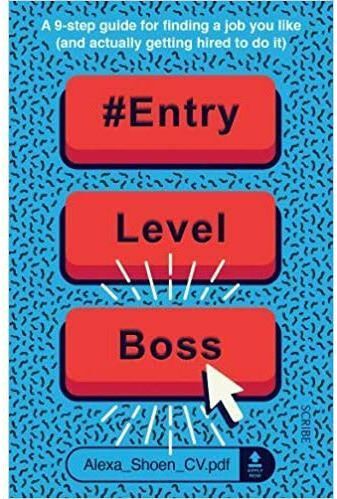
Scribe UK Find a Job - #ENTRYLEVELBOSS - a 9-step guide for finding a job you likeFind a Job - Banging your head against the wall with the job search? #ENTRYLEVELBOSS will help you stop freaking out. Miserable in your current role but no idea what to do next? With this book you'll be able to make a decision, no personality tests required. Convinced that you are the most unhireable person on this planet? That's statistically improbable - and you'll be amazed at how employable you'll be by the time you have finished reading. This is personal training for your career, based on a step-by-step plan that includes: All the intel you need about getting hired in today's world, in today's industries, and with today's tools. Hyper-specific advice including templates for networking emails, CVs, and cover letters. Straight-to-the-point guidance about what not to do. A solid dose of humour and emotional support from someone who really has been there. The world of work has changed, and getting hired today for a job you actually want is going to take a lot more than a neatly typed cover letter and a well-pressed suit. But along with all the challenges of the new economy come unprecedented opportunities, and careers expert Alexa Shoen is here to unlock them for you.4,99 £*Shipping: 1,99 £Secure redirect to the provider
-
Wrendale Designs 'Sleeping on the Job' ChalkboardThe Wrendale Designs Sleeping on the Job Chalkboard is perfect for jotting down lists, notes or meal plans. Its charming border collie and rabbit design adds a playful touch, making it ideal for the kitchen or any space in your home. Featuring an easy-to-hang rope hanger and a ledge to keep a piece of chalk handy, this chalkboard combines functionality with style. Dimensions: 50 x 25cm.19,80 £*Shipping: 3,50 £Secure redirect to the provider



-
What are diode transistors?
Diode transistors, also known as diodes, are semiconductor devices that allow current to flow in only one direction. They consist of a p-n junction, where one side is doped with a material that has an excess of electrons (n-type) and the other side is doped with a material that has a deficiency of electrons (p-type). This creates a barrier that allows current to flow in one direction and blocks it in the other. Diode transistors are commonly used in electronic circuits for rectification, signal demodulation, and voltage regulation. **
-
How are transistors manufactured and approximately how many transistors are produced annually?
Transistors are manufactured using a process called photolithography, where a pattern is transferred onto a silicon wafer using light. This pattern defines the various components of the transistor. The silicon wafer is then processed through various steps including doping, etching, and deposition to create the final transistor. Approximately 13 quintillion transistors are produced annually, as of 2021. This number is constantly increasing as technology advances and the demand for electronic devices continues to grow. The production of transistors is a crucial part of the semiconductor industry, which plays a key role in powering modern technology. **
-
How are transistors manufactured and how many transistors are produced annually approximately?
Transistors are manufactured using a process called photolithography, where a pattern is transferred onto a silicon wafer using light. This process involves creating layers of different materials on the wafer and then etching away parts to form the transistor structure. Approximately 10^21 transistors are produced annually, with the number increasing as technology advances and demand for electronic devices grows. **
-
How do MOSFET transistors die?
MOSFET transistors can die due to various reasons, including overvoltage, overcurrent, overheating, electrostatic discharge, and aging. Overvoltage can cause the gate oxide to break down, leading to a short circuit. Overcurrent can cause the transistor to overheat and damage the internal components. Electrostatic discharge can create a high voltage spike that can destroy the transistor. Additionally, as the transistor ages, the materials can degrade, leading to a decrease in performance and eventual failure. **


What are transistors used for?
Transistors are electronic devices used to amplify or switch electronic signals and electrical power. They are a fundamental building block of modern electronic devices such as computers, smartphones, and televisions. Transistors are used in a wide range of applications, from controlling the flow of electricity in integrated circuits to amplifying audio signals in speakers. Their small size, efficiency, and reliability make them essential components in the field of electronics. **
How do you calculate transistors?
Transistors can be calculated using the formula: Number of transistors = (Die area) / (Transistor size). The die area is the total area of the integrated circuit, and the transistor size is the area occupied by a single transistor. By dividing the die area by the transistor size, we can determine the number of transistors present in the integrated circuit. **
Top-Angebote
Products related to Transistors:
-
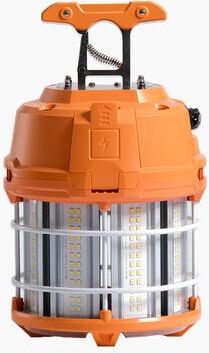
All Categories Goods LED Temporary Work Light Linkable Construction Job Site Lamp LED Temporary Work Light Linkable Construction Job Site LampLight up demanding spaces with a LED temporary work light built to keep every task clear, safe, and visible. This 60W hanging lamp is made for contractors, remodelers, workshop owners, and anyone who needs dependable temporary illumination. With...132,97 $*Shipping: 0,00 $Secure redirect to the provider
-
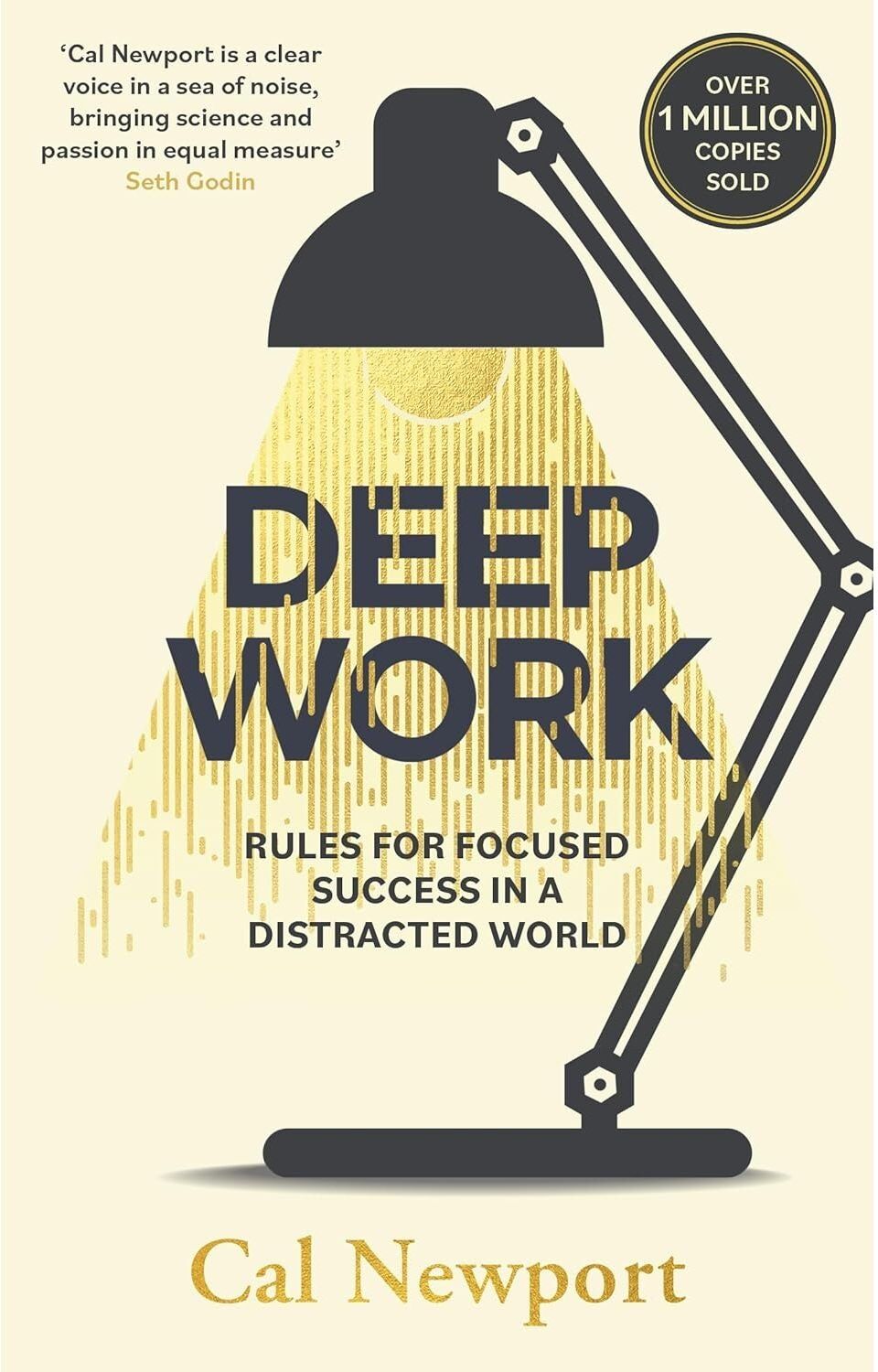
Piatkus Deep Work – Rules for Focused Success in a Distracted World by Cal Newport Productivity, Focus & Career Success BookIn a world full of distractions, the ability to focus deeply is becoming increasingly rare—and increasingly valuable. In Deep Work: Rules for Focused Success in a Distracted World, bestselling author and productivity expert Cal Newport explains why deep, concentrated work is the key to mastering complex skills, producing high-quality results, and standing out in your career. Drawing on neuroscience, psychology, and real-world examples, Newport shows how to eliminate distractions, train your focus, and work with intense concentration. The book combines compelling theory with practical strategies, helping readers build habits that support sustained attention and meaningful productivity in both professional and personal life. What You’ll Learn: Why deep work is essential for success in the modern economy How shallow work undermines productivity and focus Practical rules for building deep work habits Techniques to minimize distractions and digital overload How to produce better results in less time Perfect for professionals, students, creatives, and entrepreneurs, Deep Work is a must-read guide to achieving focus, efficiency, and long-term career success.7,99 £*Shipping: 2,99 £Secure redirect to the provider
-
Inspired Deals Battery Compatible Portable LED Work Light, 6000LM High Output 18V 20V Job Site Lighting Yellow Battery Compatible Portable LED Work Light, 6000LM High Output 18V 20V Job Site Lighting YellowStep out of the shadows and light up every task with our rugged portable cordless LED work light that transforms how you work and play. Designed for professionals, DIYers, and outdoor adventurers alike, this light delivers up to 6000LM of bright...59,97 $*Shipping: 0,00 $Secure redirect to the provider
-
Thorsons Ultralearning: Accelerate Your Career, Master Hard Skills and Outsmart the CompetitionFuture-proof your career and maximize your competitive advantage by learning the skill necessary to stay relevant, reinvent yourself, and adapt to whatever the workplace throws your way in this essential guide. Faced with tumultuous economic times and rapid technological change, staying ahead in your career depends on continual learning―a lifelong mastery of new ideas, subjects, and skills. If you want to accomplish more and stand apart from everyone else, you need to become an ultralearner. Scott Young incorporates the latest research about the most effective learning methods and the stories of other ultralearners like himself―among them Ben Franklin, Judit Polgar, and Richard Feynman, as well as a host of others, such as little-known modern polymaths like Nigel Richards who won the World Championship of French Scrabble―without knowing French. Young documents the methods he and others have used and shows that, far from being an obscure skill limited to aggressive autodidacts, ultralearning is a powerful tool anyone can use to improve their career, studies, and life. Ultralearning explores this fascinating subculture, shares the nine principles behind every successful ultralearning project, and offers insights into how you can organize and execute a plan to learn anything deeply and quickly, without teachers or budget-busting tuition costs. Whether the goal is to be fluent in a language (or ten languages), earn the equivalent of a college degree in a fraction of the time, or master multiple skills to build a product or business from the ground up, the principles in Ultralearning will guide you to success.8,99 £*Shipping: 2,99 £Secure redirect to the provider
-
How do transistors work?
Transistors are semiconductor devices that can amplify or switch electronic signals. They consist of three layers of semiconductor material, with two layers forming a junction. By applying a small voltage to the junction, the transistor can control the flow of current between the other two layers. This allows transistors to act as amplifiers, increasing the strength of a weak signal, or as switches, turning a current on or off. Transistors are the building blocks of modern electronic devices, forming the basis of integrated circuits and enabling the development of computers, smartphones, and other electronic technologies. **
-
Where are transistors used?
Transistors are used in a wide range of electronic devices, including computers, smartphones, televisions, radios, and many other consumer electronics. They are also used in industrial applications such as control systems, power supplies, and amplifiers. Transistors play a crucial role in modern technology by acting as switches or amplifiers in electronic circuits. **
-
What are diode transistors?
Diode transistors, also known as diodes, are semiconductor devices that allow current to flow in only one direction. They consist of a p-n junction, where one side is doped with a material that has an excess of electrons (n-type) and the other side is doped with a material that has a deficiency of electrons (p-type). This creates a barrier that allows current to flow in one direction and blocks it in the other. Diode transistors are commonly used in electronic circuits for rectification, signal demodulation, and voltage regulation. **
-
How are transistors manufactured and approximately how many transistors are produced annually?
Transistors are manufactured using a process called photolithography, where a pattern is transferred onto a silicon wafer using light. This pattern defines the various components of the transistor. The silicon wafer is then processed through various steps including doping, etching, and deposition to create the final transistor. Approximately 13 quintillion transistors are produced annually, as of 2021. This number is constantly increasing as technology advances and the demand for electronic devices continues to grow. The production of transistors is a crucial part of the semiconductor industry, which plays a key role in powering modern technology. **
Similar search terms for Transistors
-
Scribe UK Find a Job - #ENTRYLEVELBOSS - a 9-step guide for finding a job you likeFind a Job - Banging your head against the wall with the job search? #ENTRYLEVELBOSS will help you stop freaking out. Miserable in your current role but no idea what to do next? With this book you'll be able to make a decision, no personality tests required. Convinced that you are the most unhireable person on this planet? That's statistically improbable - and you'll be amazed at how employable you'll be by the time you have finished reading. This is personal training for your career, based on a step-by-step plan that includes: All the intel you need about getting hired in today's world, in today's industries, and with today's tools. Hyper-specific advice including templates for networking emails, CVs, and cover letters. Straight-to-the-point guidance about what not to do. A solid dose of humour and emotional support from someone who really has been there. The world of work has changed, and getting hired today for a job you actually want is going to take a lot more than a neatly typed cover letter and a well-pressed suit. But along with all the challenges of the new economy come unprecedented opportunities, and careers expert Alexa Shoen is here to unlock them for you.4,99 £*Shipping: 1,99 £Secure redirect to the provider
-
Wrendale Designs 'Sleeping on the Job' ChalkboardThe Wrendale Designs Sleeping on the Job Chalkboard is perfect for jotting down lists, notes or meal plans. Its charming border collie and rabbit design adds a playful touch, making it ideal for the kitchen or any space in your home. Featuring an easy-to-hang rope hanger and a ledge to keep a piece of chalk handy, this chalkboard combines functionality with style. Dimensions: 50 x 25cm.19,80 £*Shipping: 3,50 £Secure redirect to the provider
-
NYX Professional Makeup Jelly Job set for lipsNYX Professional Makeup Jelly Job, 2 pc, Cosmetic Sets for Women, Discover a practical bundle of products designed to enhance your everyday moments. NYX Professional MakeupJelly Job set takes the hassle out of choosing by offering a combination of popular products. Now available together in one convenient pack. The set contains: NYX Professional Makeup Jelly Job sparkle lip gloss with magnifying effect 7.50 ml NYX Professional Makeup Jelly Job sparkle lip gloss with magnifying effect 7.50 ml How to use: Follow the instructions on the package.16,60 £*Shipping: 3,99 £Secure redirect to the provider
-
Wrendale Designs 'Sleeping On The Job' Dog Watering CanThe Wrendale Designs Indoor Watering Can features the beautiful illustrations of 'sleeping on the job' and 'grow your own' on a lovely Wrendale green background. The long spout provides accuracy when watering your indoor plants and the large handle give firm and balance control. Made from carbon steel, this watering likes to live indoors and is always on hand for watering inside the home.18,00 £*Shipping: 3,50 £Secure redirect to the provider
-
How are transistors manufactured and how many transistors are produced annually approximately?
Transistors are manufactured using a process called photolithography, where a pattern is transferred onto a silicon wafer using light. This process involves creating layers of different materials on the wafer and then etching away parts to form the transistor structure. Approximately 10^21 transistors are produced annually, with the number increasing as technology advances and demand for electronic devices grows. **
-
How do MOSFET transistors die?
MOSFET transistors can die due to various reasons, including overvoltage, overcurrent, overheating, electrostatic discharge, and aging. Overvoltage can cause the gate oxide to break down, leading to a short circuit. Overcurrent can cause the transistor to overheat and damage the internal components. Electrostatic discharge can create a high voltage spike that can destroy the transistor. Additionally, as the transistor ages, the materials can degrade, leading to a decrease in performance and eventual failure. **
-
What are transistors used for?
Transistors are electronic devices used to amplify or switch electronic signals and electrical power. They are a fundamental building block of modern electronic devices such as computers, smartphones, and televisions. Transistors are used in a wide range of applications, from controlling the flow of electricity in integrated circuits to amplifying audio signals in speakers. Their small size, efficiency, and reliability make them essential components in the field of electronics. **
-
How do you calculate transistors?
Transistors can be calculated using the formula: Number of transistors = (Die area) / (Transistor size). The die area is the total area of the integrated circuit, and the transistor size is the area occupied by a single transistor. By dividing the die area by the transistor size, we can determine the number of transistors present in the integrated circuit. **
* All prices are inclusive of VAT and, if applicable, plus shipping costs. The offer information is based on the details provided by the respective shop and is updated through automated processes. Real-time updates do not occur, so deviations can occur in individual cases. ** Note: Parts of this content were created by AI.