Buy jobclick.eu ?
We are moving the project
jobclick.eu .
Are you interested in purchasing the domain
jobclick.eu ?
domain@kv-gmbh.de · 0541-91531010
Buy jobclick.eu ?
How does color perception work?
Color perception works through the interaction of light, the human eye, and the brain. When light hits an object, certain wavelengths are absorbed and others are reflected. These reflected wavelengths enter the eye and are detected by specialized cells called cones, which are sensitive to different wavelengths of light. The cones then send signals to the brain, which processes the information and interprets it as different colors. This process allows us to perceive and distinguish between the various colors in our environment. **
How do self-perception and perception of others differ?
Self-perception refers to how an individual sees and evaluates themselves, including their abilities, traits, and behaviors. It is influenced by personal experiences, beliefs, and self-awareness. On the other hand, perception of others involves how individuals view and interpret the characteristics, behaviors, and intentions of other people. This perception is influenced by social and cultural factors, as well as personal biases and stereotypes. While self-perception is based on introspection and self-reflection, perception of others is often based on external observations and interactions. **
Similar search terms for Perception
Top-Angebote
Products related to Perception:
-
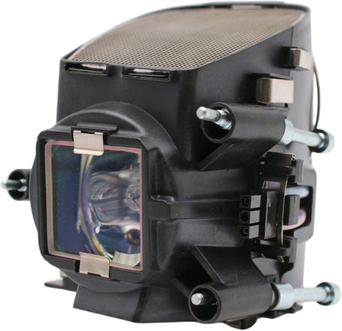
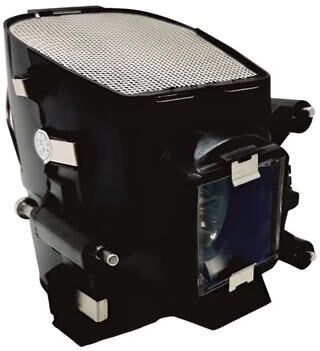
AL™ Series Lamp & Housing for the 3D Perception X30E Projector - 90 Day WarrantyNew aftermarket Lamp and Housing for the following 3D Perception models: X30E Lamp Specifications Specifications Data Product Code X30E Part Type Lamp and Housing Warranty 90 Days Condition New Lamp Type Genuine AL™ Series Discounts Available...44,99 $*Shipping: 0,00 $Secure redirect to the provider
-
Jaspertronics™ Original Lamp & Housing for the 3D Perception PZ30SX Projector - 1 Year WarrantyNew Jaspertronics™ Original Lamp & Housing Module for the following 3D Perception models: PZ30SX Lamp Specifications Specifications Data Product Code PZ30SX Part Type Lamp and Housing Warranty Industry Leading 1 Year Warranty Condition New Lamp Type...128,99 $*Shipping: 0,00 $Secure redirect to the provider
-
AL™ Series Lamp & Housing for the 3D Perception X30I Projector - 90 Day WarrantyNew aftermarket Lamp and Housing for the following 3D Perception models: X30I Lamp Specifications Specifications Data Product Code X30I Part Type Lamp and Housing Warranty 90 Days Condition New Lamp Type Genuine AL™ Series Discounts Available...44,99 $*Shipping: 0,00 $Secure redirect to the provider




-
How does perception work in the brain?
Perception is the process by which the brain interprets sensory information from the environment. This process involves the reception of sensory input through the eyes, ears, nose, tongue, and skin, and the subsequent processing of this information in the brain. The brain then integrates and interprets this sensory information to create a coherent and meaningful perception of the world around us. This process involves complex interactions between different regions of the brain, including the sensory cortex, thalamus, and higher-order association areas. Overall, perception is a dynamic and multifaceted process that involves the coordination of various neural networks in the brain. **
-
What is the difference between self-perception and self-image perception?
Self-perception refers to how we see ourselves based on our own thoughts, feelings, and behaviors. It involves our internal understanding of who we are. On the other hand, self-image perception is how we believe others see us. It is influenced by external factors such as feedback from others, societal norms, and cultural expectations. In essence, self-perception is about how we view ourselves, while self-image perception is about how we think others view us. **
-
Do you know the difference between self-perception and external perception?
Self-perception refers to how we see ourselves, our thoughts, feelings, and beliefs about our own abilities and characteristics. External perception, on the other hand, is how others see us, their opinions, judgments, and observations about our behavior and traits. While self-perception is based on our own introspection and self-awareness, external perception is influenced by how others perceive and interact with us. Both self-perception and external perception play a role in shaping our self-concept and how we navigate social interactions. **
-
What is an objective perception and what is a subjective perception?
An objective perception is a perception that is based on factual, observable evidence and is not influenced by personal feelings or biases. It is a viewpoint that is not influenced by personal opinions or emotions, and is based on concrete, measurable data. On the other hand, a subjective perception is a perception that is influenced by personal opinions, emotions, and biases. It is based on individual experiences, beliefs, and feelings, and may vary from person to person. Subjective perceptions are often shaped by personal perspectives and can be influenced by cultural, social, and psychological factors. **


Can perception improve again?
Yes, perception can improve again through various means such as seeking feedback from others, actively practicing mindfulness and self-awareness, and engaging in activities that challenge and expand one's perspective. By being open to new experiences, learning from past mistakes, and continuously reflecting on one's thoughts and beliefs, individuals can enhance their perception and develop a more nuanced understanding of the world around them. It is important to remember that perception is not fixed and can be continually refined and improved with effort and intention. **
What is subjective perception?
Subjective perception refers to an individual's personal interpretation or understanding of a situation, event, or stimulus. It is influenced by a person's beliefs, experiences, emotions, and biases, leading to a unique and subjective perspective. This means that two people can perceive the same thing differently based on their subjective perceptions. Subjective perception plays a significant role in shaping how individuals make sense of the world around them. **
Top-Angebote
Products related to Perception:
-
AL™ Series R9801265 Lamp & Housing for 3D Perception Projectors - 90 Day WarrantyNew aftermarket Lamp and Housing for the following Barco models: R9801265 Lamp Specifications Specifications Data Product Code R9801265 Part Type Lamp and Housing Warranty 90 Days Condition New Lamp Type Genuine AL™ Series Discounts Available...48,99 $*Shipping: 0,00 $Secure redirect to the provider
-
Jaspertronics™ Original R9801265 Lamp & Housing for 3D Perception Projectors - 1 Year WarrantyNew Jaspertronics™ Original Lamp & Housing Module for the following Barco models: R9801265 Lamp Specifications Specifications Data Product Code R9801265 Part Type Lamp and Housing Warranty Industry Leading 1 Year Warranty Condition New Lamp Type...119,99 $*Shipping: 0,00 $Secure redirect to the provider
-
AL™ Series Lamp & Housing for the 3D Perception X30E Projector - 90 Day WarrantyNew aftermarket Lamp and Housing for the following 3D Perception models: X30E Lamp Specifications Specifications Data Product Code X30E Part Type Lamp and Housing Warranty 90 Days Condition New Lamp Type Genuine AL™ Series Discounts Available...44,99 $*Shipping: 0,00 $Secure redirect to the provider
-
How does color perception work?
Color perception works through the interaction of light, the human eye, and the brain. When light hits an object, certain wavelengths are absorbed and others are reflected. These reflected wavelengths enter the eye and are detected by specialized cells called cones, which are sensitive to different wavelengths of light. The cones then send signals to the brain, which processes the information and interprets it as different colors. This process allows us to perceive and distinguish between the various colors in our environment. **
-
How do self-perception and perception of others differ?
Self-perception refers to how an individual sees and evaluates themselves, including their abilities, traits, and behaviors. It is influenced by personal experiences, beliefs, and self-awareness. On the other hand, perception of others involves how individuals view and interpret the characteristics, behaviors, and intentions of other people. This perception is influenced by social and cultural factors, as well as personal biases and stereotypes. While self-perception is based on introspection and self-reflection, perception of others is often based on external observations and interactions. **
-
How does perception work in the brain?
Perception is the process by which the brain interprets sensory information from the environment. This process involves the reception of sensory input through the eyes, ears, nose, tongue, and skin, and the subsequent processing of this information in the brain. The brain then integrates and interprets this sensory information to create a coherent and meaningful perception of the world around us. This process involves complex interactions between different regions of the brain, including the sensory cortex, thalamus, and higher-order association areas. Overall, perception is a dynamic and multifaceted process that involves the coordination of various neural networks in the brain. **
-
What is the difference between self-perception and self-image perception?
Self-perception refers to how we see ourselves based on our own thoughts, feelings, and behaviors. It involves our internal understanding of who we are. On the other hand, self-image perception is how we believe others see us. It is influenced by external factors such as feedback from others, societal norms, and cultural expectations. In essence, self-perception is about how we view ourselves, while self-image perception is about how we think others view us. **
Similar search terms for Perception
-
Jaspertronics™ Original Lamp & Housing for the 3D Perception PZ30SX Projector - 1 Year WarrantyNew Jaspertronics™ Original Lamp & Housing Module for the following 3D Perception models: PZ30SX Lamp Specifications Specifications Data Product Code PZ30SX Part Type Lamp and Housing Warranty Industry Leading 1 Year Warranty Condition New Lamp Type...128,99 $*Shipping: 0,00 $Secure redirect to the provider
-
AL™ Series Lamp & Housing for the 3D Perception X30I Projector - 90 Day WarrantyNew aftermarket Lamp and Housing for the following 3D Perception models: X30I Lamp Specifications Specifications Data Product Code X30I Part Type Lamp and Housing Warranty 90 Days Condition New Lamp Type Genuine AL™ Series Discounts Available...44,99 $*Shipping: 0,00 $Secure redirect to the provider
-
AL™ Series Lamp & Housing for the 3D Perception SX30 Projector - 90 Day WarrantyNew aftermarket Lamp and Housing for the following 3D Perception models: SX30 Lamp Specifications Specifications Data Product Code SX30 Part Type Lamp and Housing Warranty 90 Days Condition New Lamp Type Genuine AL™ Series Discounts Available...44,99 $*Shipping: 0,00 $Secure redirect to the provider
-
AL™ Series Lamp & Housing for the 3D Perception HMR15 Projector - 90 Day WarrantyNew aftermarket Lamp and Housing for the following 3D Perception models: HMR15 Lamp Specifications Specifications Data Product Code HMR15 Part Type Lamp and Housing Warranty 90 Days Condition New Lamp Type Genuine AL™ Series Discounts Available...44,99 $*Shipping: 0,00 $Secure redirect to the provider
-
Do you know the difference between self-perception and external perception?
Self-perception refers to how we see ourselves, our thoughts, feelings, and beliefs about our own abilities and characteristics. External perception, on the other hand, is how others see us, their opinions, judgments, and observations about our behavior and traits. While self-perception is based on our own introspection and self-awareness, external perception is influenced by how others perceive and interact with us. Both self-perception and external perception play a role in shaping our self-concept and how we navigate social interactions. **
-
What is an objective perception and what is a subjective perception?
An objective perception is a perception that is based on factual, observable evidence and is not influenced by personal feelings or biases. It is a viewpoint that is not influenced by personal opinions or emotions, and is based on concrete, measurable data. On the other hand, a subjective perception is a perception that is influenced by personal opinions, emotions, and biases. It is based on individual experiences, beliefs, and feelings, and may vary from person to person. Subjective perceptions are often shaped by personal perspectives and can be influenced by cultural, social, and psychological factors. **
-
Can perception improve again?
Yes, perception can improve again through various means such as seeking feedback from others, actively practicing mindfulness and self-awareness, and engaging in activities that challenge and expand one's perspective. By being open to new experiences, learning from past mistakes, and continuously reflecting on one's thoughts and beliefs, individuals can enhance their perception and develop a more nuanced understanding of the world around them. It is important to remember that perception is not fixed and can be continually refined and improved with effort and intention. **
-
What is subjective perception?
Subjective perception refers to an individual's personal interpretation or understanding of a situation, event, or stimulus. It is influenced by a person's beliefs, experiences, emotions, and biases, leading to a unique and subjective perspective. This means that two people can perceive the same thing differently based on their subjective perceptions. Subjective perception plays a significant role in shaping how individuals make sense of the world around them. **
* All prices are inclusive of VAT and, if applicable, plus shipping costs. The offer information is based on the details provided by the respective shop and is updated through automated processes. Real-time updates do not occur, so deviations can occur in individual cases. ** Note: Parts of this content were created by AI.