Buy jobclick.eu ?
We are moving the project
jobclick.eu .
Are you interested in purchasing the domain
jobclick.eu ?
domain@kv-gmbh.de · 0541-91531010
Buy jobclick.eu ?
What is the special subdominant?
The special subdominant, also known as the Neapolitan chord, is a chromatic chord that is built on the lowered second degree of the scale. In the key of C major, for example, the special subdominant would be a D-flat major chord. It is called "special" because it has a unique and distinct sound that adds color and tension to the harmony. The special subdominant is often used in classical and romantic music to create a sense of drama and emotional intensity. **
What are the tonic, dominant, and subdominant?
In music theory, the tonic is the first note of a scale and serves as the home base or point of rest. The dominant is the fifth note of the scale and has a strong pull back to the tonic, creating a sense of tension and resolution. The subdominant is the fourth note of the scale and provides a sense of stability and preparation for the dominant and tonic. These three notes form the foundation of tonal harmony and are essential in creating musical tension and resolution. **
Similar search terms for Subdominant
Top-Angebote
Products related to Subdominant:
-
Inspired Deals Battery Compatible Portable LED Work Light, 6000LM High Output 18V 20V Job Site Lighting Yellow Battery Compatible Portable LED Work Light, 6000LM High Output 18V 20V Job Site Lighting YellowStep out of the shadows and light up every task with our rugged portable cordless LED work light that transforms how you work and play. Designed for professionals, DIYers, and outdoor adventurers alike, this light delivers up to 6000LM of bright...59,97 $*Shipping: 0,00 $Secure redirect to the provider

-
What are dominant, double dominant, tonic, and subdominant?
In music theory, the dominant is the fifth note of a diatonic scale and has a strong pull towards the tonic, which is the first note of the scale. The double dominant refers to the second note of the scale, which also has a strong pull towards the tonic. The subdominant is the fourth note of the scale and provides a sense of stability and resolution, often leading back to the tonic. These terms are commonly used to describe the relationships between different notes in a musical key. **
-
What is the tonic, subdominant, dominant, and tonic?
The tonic is the first note of a scale and serves as the home base or resting point in a piece of music. The subdominant is the fourth note of the scale and creates a sense of tension or anticipation. The dominant is the fifth note of the scale and has a strong pull back to the tonic, creating a sense of resolution. In a typical chord progression, the order would be tonic, subdominant, dominant, and then back to the tonic, creating a sense of stability and resolution. **
-
How do you form a subdominant and a dominant?
To form a subdominant, you would take the fourth note of the scale and build a chord on that note. For example, in the key of C major, the subdominant chord would be an F major chord. To form a dominant, you would take the fifth note of the scale and build a chord on that note. In the key of C major, the dominant chord would be a G major chord. These chords are important in music theory as they create tension and resolution within a musical piece. **
-
What are the subdominant, dominant, and tonic for B major?
In the key of B major, the subdominant is E major, the dominant is F# major, and the tonic is B major. These chords are essential in establishing the tonal center and harmonic progression in music written in the key of B major. The subdominant chord (E major) provides a sense of stability and resolution, the dominant chord (F# major) creates tension and a sense of direction, and the tonic chord (B major) serves as the home base and point of resolution in the key of B major. **
What is an extended cadence with tonic and subdominant chords and chord extensions?
An extended cadence with tonic and subdominant chords and chord extensions is a musical progression that includes the I (tonic) and IV (subdominant) chords, with added chord extensions such as 7ths, 9ths, or 13ths. This type of cadence creates a rich and complex harmonic texture, adding color and depth to the sound. It is commonly used in jazz, blues, and other contemporary music styles to create a sense of resolution and finality at the end of a musical phrase or section. **
"Is the employment office sending me too many job opportunities?"
It's important to consider the quality of the job opportunities being sent to you rather than the quantity. If you feel overwhelmed by the number of job opportunities being sent to you, it may be helpful to communicate your preferences and criteria to the employment office so they can tailor their recommendations to better fit your needs. Additionally, you can also take the initiative to narrow down your job search by specifying your preferences and actively seeking out opportunities that align with your career goals. **
Top-Angebote
Products related to Subdominant:
-
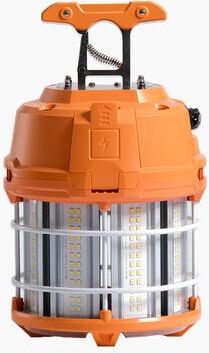
All Categories Goods LED Temporary Work Light Linkable Construction Job Site Lamp LED Temporary Work Light Linkable Construction Job Site LampLight up demanding spaces with a LED temporary work light built to keep every task clear, safe, and visible. This 60W hanging lamp is made for contractors, remodelers, workshop owners, and anyone who needs dependable temporary illumination. With...132,97 $*Shipping: 0,00 $Secure redirect to the provider
-
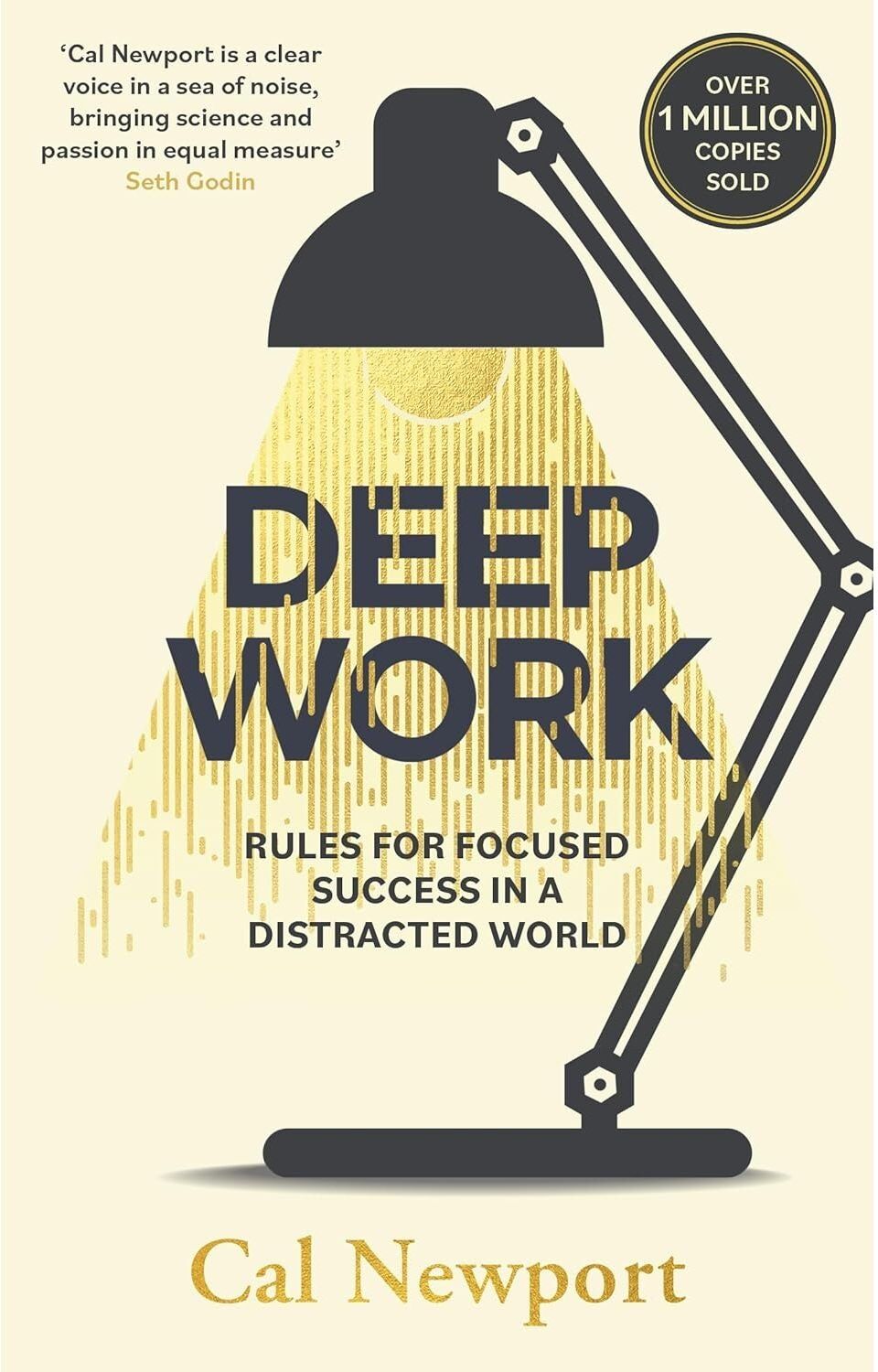
Piatkus Deep Work – Rules for Focused Success in a Distracted World by Cal Newport Productivity, Focus & Career Success BookIn a world full of distractions, the ability to focus deeply is becoming increasingly rare—and increasingly valuable. In Deep Work: Rules for Focused Success in a Distracted World, bestselling author and productivity expert Cal Newport explains why deep, concentrated work is the key to mastering complex skills, producing high-quality results, and standing out in your career. Drawing on neuroscience, psychology, and real-world examples, Newport shows how to eliminate distractions, train your focus, and work with intense concentration. The book combines compelling theory with practical strategies, helping readers build habits that support sustained attention and meaningful productivity in both professional and personal life. What You’ll Learn: Why deep work is essential for success in the modern economy How shallow work undermines productivity and focus Practical rules for building deep work habits Techniques to minimize distractions and digital overload How to produce better results in less time Perfect for professionals, students, creatives, and entrepreneurs, Deep Work is a must-read guide to achieving focus, efficiency, and long-term career success.7,99 £*Shipping: 2,99 £Secure redirect to the provider
-
Inspired Deals Battery Compatible Portable LED Work Light, 6000LM High Output 18V 20V Job Site Lighting Yellow Battery Compatible Portable LED Work Light, 6000LM High Output 18V 20V Job Site Lighting YellowStep out of the shadows and light up every task with our rugged portable cordless LED work light that transforms how you work and play. Designed for professionals, DIYers, and outdoor adventurers alike, this light delivers up to 6000LM of bright...59,97 $*Shipping: 0,00 $Secure redirect to the provider
-
What is the special subdominant?
The special subdominant, also known as the Neapolitan chord, is a chromatic chord that is built on the lowered second degree of the scale. In the key of C major, for example, the special subdominant would be a D-flat major chord. It is called "special" because it has a unique and distinct sound that adds color and tension to the harmony. The special subdominant is often used in classical and romantic music to create a sense of drama and emotional intensity. **
-
What are the tonic, dominant, and subdominant?
In music theory, the tonic is the first note of a scale and serves as the home base or point of rest. The dominant is the fifth note of the scale and has a strong pull back to the tonic, creating a sense of tension and resolution. The subdominant is the fourth note of the scale and provides a sense of stability and preparation for the dominant and tonic. These three notes form the foundation of tonal harmony and are essential in creating musical tension and resolution. **
-
What are dominant, double dominant, tonic, and subdominant?
In music theory, the dominant is the fifth note of a diatonic scale and has a strong pull towards the tonic, which is the first note of the scale. The double dominant refers to the second note of the scale, which also has a strong pull towards the tonic. The subdominant is the fourth note of the scale and provides a sense of stability and resolution, often leading back to the tonic. These terms are commonly used to describe the relationships between different notes in a musical key. **
-
What is the tonic, subdominant, dominant, and tonic?
The tonic is the first note of a scale and serves as the home base or resting point in a piece of music. The subdominant is the fourth note of the scale and creates a sense of tension or anticipation. The dominant is the fifth note of the scale and has a strong pull back to the tonic, creating a sense of resolution. In a typical chord progression, the order would be tonic, subdominant, dominant, and then back to the tonic, creating a sense of stability and resolution. **
Similar search terms for Subdominant
-
How do you form a subdominant and a dominant?
To form a subdominant, you would take the fourth note of the scale and build a chord on that note. For example, in the key of C major, the subdominant chord would be an F major chord. To form a dominant, you would take the fifth note of the scale and build a chord on that note. In the key of C major, the dominant chord would be a G major chord. These chords are important in music theory as they create tension and resolution within a musical piece. **
-
What are the subdominant, dominant, and tonic for B major?
In the key of B major, the subdominant is E major, the dominant is F# major, and the tonic is B major. These chords are essential in establishing the tonal center and harmonic progression in music written in the key of B major. The subdominant chord (E major) provides a sense of stability and resolution, the dominant chord (F# major) creates tension and a sense of direction, and the tonic chord (B major) serves as the home base and point of resolution in the key of B major. **
-
What is an extended cadence with tonic and subdominant chords and chord extensions?
An extended cadence with tonic and subdominant chords and chord extensions is a musical progression that includes the I (tonic) and IV (subdominant) chords, with added chord extensions such as 7ths, 9ths, or 13ths. This type of cadence creates a rich and complex harmonic texture, adding color and depth to the sound. It is commonly used in jazz, blues, and other contemporary music styles to create a sense of resolution and finality at the end of a musical phrase or section. **
-
"Is the employment office sending me too many job opportunities?"
It's important to consider the quality of the job opportunities being sent to you rather than the quantity. If you feel overwhelmed by the number of job opportunities being sent to you, it may be helpful to communicate your preferences and criteria to the employment office so they can tailor their recommendations to better fit your needs. Additionally, you can also take the initiative to narrow down your job search by specifying your preferences and actively seeking out opportunities that align with your career goals. **
* All prices are inclusive of VAT and, if applicable, plus shipping costs. The offer information is based on the details provided by the respective shop and is updated through automated processes. Real-time updates do not occur, so deviations can occur in individual cases. ** Note: Parts of this content were created by AI.